Meditate 10 minutes before bedtime
Stress and insufficient sleep are significant factors contributing to elevated blood pressure. Mind-body practices such as meditation and mindfulness are beneficial for managing blood pressure. Individuals can dedicate about 10 minutes before bedtime to meditate; this simple habit also helps reduce stress and promotes better sleep.
Eliminate processed foods
Processed foods often contain high levels of sodium, hidden sugars, unhealthy fats, and additives. Sodium directly impacts blood pressure because it retains water in the body, increasing blood volume and exerting pressure on blood vessel walls, which can eventually lead to heart failure and stroke. Reducing the consumption of processed foods helps decrease sodium intake. Everyone should opt for healthy, low-sodium snacks to manage blood pressure.
Eat a handful of walnuts daily
Nuts are a heart-healthy snack choice. Consuming a handful of walnuts (approximately 20-30 g or 14 nuts) daily can enhance cardiovascular health and balance blood pressure. This food is rich in antioxidants, omega-3 (ALA), and fiber, contributing to brain health, improved sleep, reduced bad cholesterol, and blood sugar management.
Walk 40 minutes daily
Brisk walking can significantly lower both systolic and diastolic blood pressure, especially when consistently maintaining over 10,000 steps daily. This activity stimulates the body to increase nitric oxide production, which helps dilate blood vessels, reduce vascular resistance, and decrease blood pressure.
New walkers should start gradually, ensuring a thorough warm-up and relaxed body. Choose appropriate shoes, maintain a straight back, swing arms gently, land on your heels, and drink enough water before and after exercising. Always listen to your body to adjust the pace accordingly.
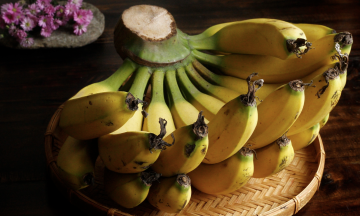
Eat one banana daily for potassium
Potassium is a crucial mineral that plays a primary role in regulating blood pressure. It aids the body in excreting sodium and dilating blood vessel walls. One banana contains approximately 400-450 mg of potassium, which helps balance sodium against potassium for healthy blood pressure levels. Other potassium-rich foods include spinach, sweet potatoes, and beans. However, individuals with kidney disease or those taking medications that increase potassium should consult a doctor before increasing their potassium intake.
Le Nguyen (According to Healthline, Times of India)
| Readers can submit cardiovascular questions here for doctors to answer. |