Severe calorie restriction
According to Eating Well, drastically reducing food intake for rapid weight loss is a common mistake. When energy intake is significantly lower than the body's needs, the body mobilizes stored glycogen and fat for energy. If prolonged, the body can also break down muscle tissue, decreasing muscle mass.
Weight loss does not mean fasting or eliminating many food groups. Individuals aiming for weight loss should adjust their portions, prioritize nutrient-rich foods, and limit high-energy, low-nutritional-value items.
Eating too little protein
Protein is essential for maintaining and repairing muscles. If individuals trying to lose weight consume too little protein, their bodies won't receive enough to maintain muscle mass. Consequently, the body may break down protein from muscle tissue to meet its needs, gradually leading to muscle mass decline.
You should not drastically cut down on protein-rich foods out of fear of gaining weight. Fish, eggs, poultry, dairy, and tofu are good protein sources; they should be distributed evenly across meals instead of being concentrated in just one.
Only eating vegetables and fruits
Vegetables and fruits are rich in fiber, vitamins, and minerals, which help increase satiety and are thus common in weight loss diets. However, if one only eats vegetables and fruits while neglecting appropriate sources of protein, fats, and carbohydrates, the diet may lack energy and many essential nutrients. A weight loss meal should have a balance of food groups.
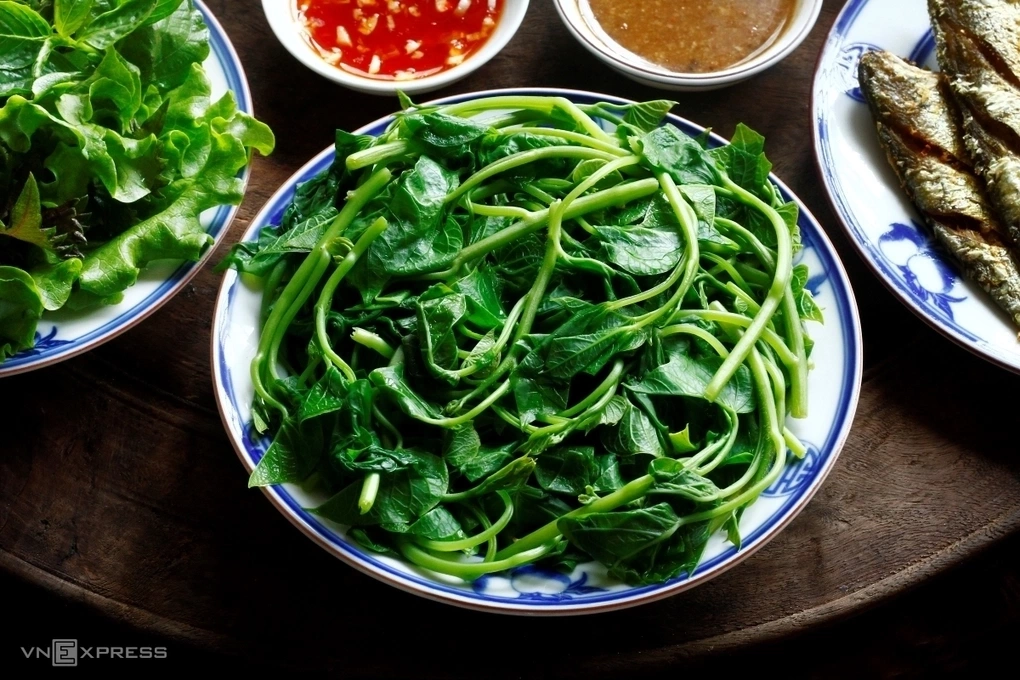 |
Only eating vegetables for weight loss can lead to nutrient deficiencies. Photo: Bui Thuy |
Completely eliminating carbohydrates
Many people lose weight by completely cutting out rice, potatoes, oats, or other carbohydrate sources. However, carbohydrates remain an important energy source for physical activity. When carbohydrate intake is too low, the body must mobilize additional energy sources to meet its needs.
Individuals aiming for weight loss should prioritize fiber-rich and minimally processed carbohydrates, such as whole grains, oats, potatoes, beans, and root vegetables, according to Eat This Not That.
Skipping meals to reduce food intake
Skipping breakfast, lunch, or extending the time between meals can result in insufficient total energy and protein intake throughout the day. Busy individuals often eat little during the day and then overeat in the evening, making portion control difficult.
Instead of skipping meals, you should adjust your portions and choose nutrient-rich foods. A simple meal consisting of protein, vegetables, and an appropriate carbohydrate source is generally more beneficial than prolonged fasting.
Le Nguyen (Compiled)
| Readers can ask nutrition questions here for doctors to answer. |