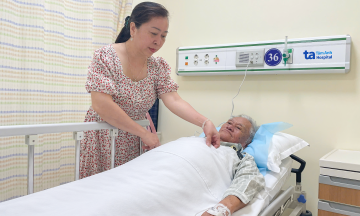
Musculoskeletal pain is associated with natural aging, cartilage degeneration, decreased bone density, muscle mass, and chronic inflammation. According to Doctor of First Degree Specialist Dao Thi Yen Thuy, Head of the Nutrition and Dietetics Department at Tam Anh General Hospital TP HCM, diet plays a significant role in preventing, supporting treatment, and managing this condition.
A balanced diet also helps control body weight, reducing pressure on major weight-bearing joints such as the knees, hips, and spine. Doctor Yen Thuy recommends that seniors prioritize the following food groups:
Foods rich in omega-3
Salmon, mackerel, herring, tuna, sardines, and various nuts are rich in omega-3 fatty acids. This nutrient can reduce the production of inflammatory cytokines and enzymes, helping to decrease joint swelling and stiffness, alleviate pain, and improve joint flexibility.
Foods rich in antioxidants
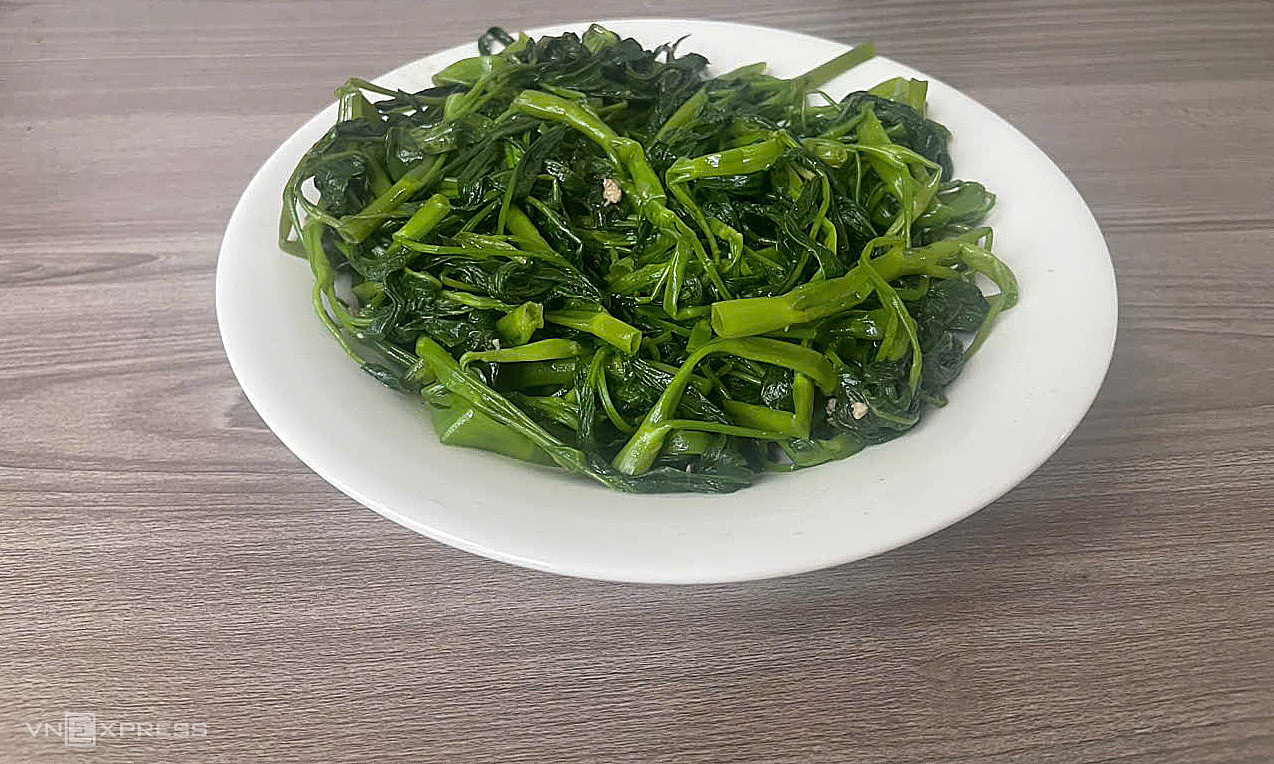
Broccoli, spinach, kale, and cabbage contain sulforaphane, vitamins C and K, along with other antioxidant compounds. These compounds help neutralize free radicals, limit damage to joint cartilage cells, and slow the process of bone and joint degeneration.
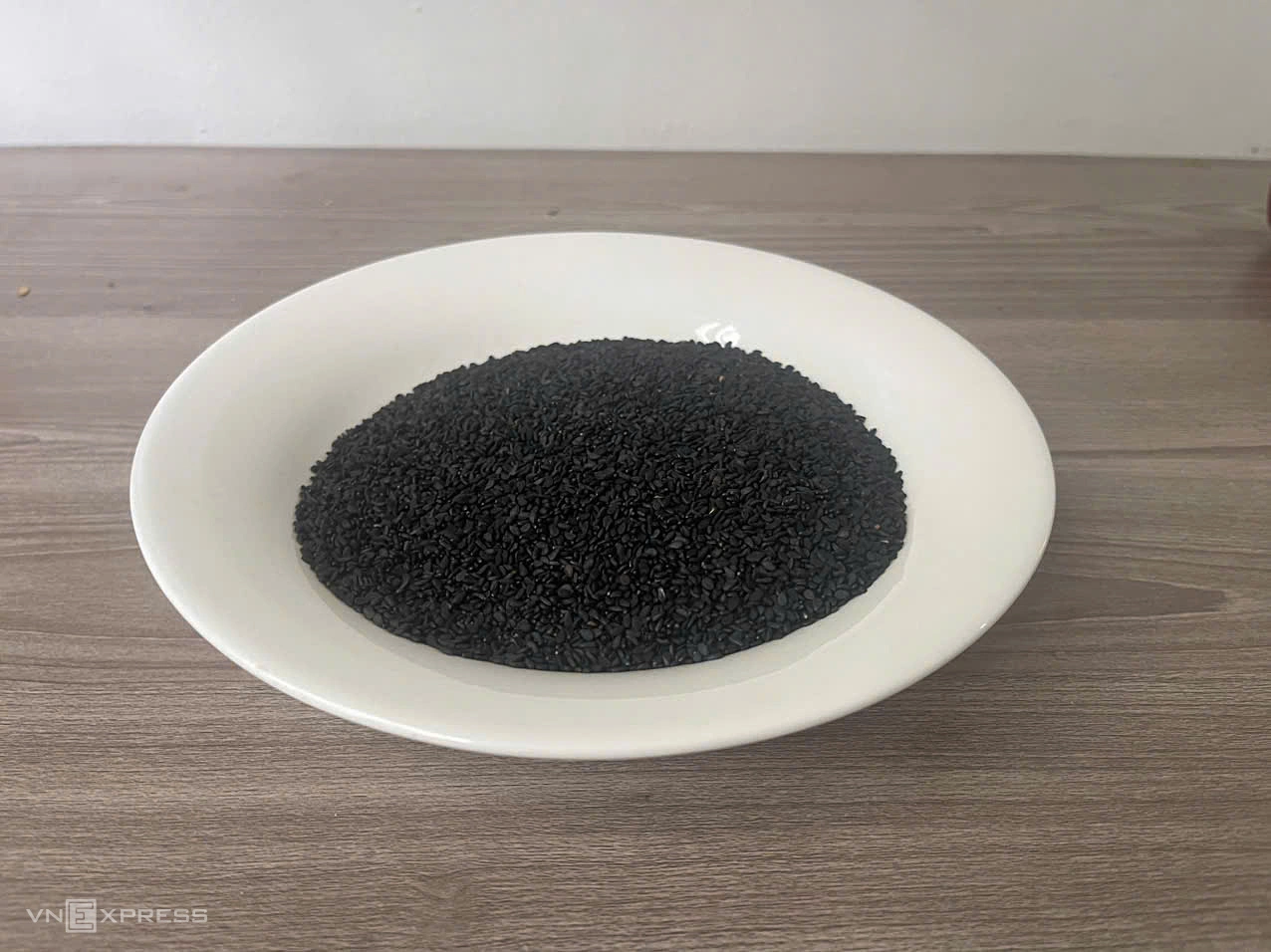 |
Black sesame is rich in calcium, beneficial for bones and joints. *Le Nguyen* |
Fruits with vitamin C
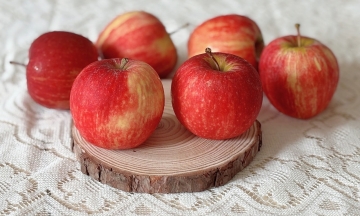
Oranges, grapefruit, lemons, kiwi, strawberries, and blueberries provide vitamin C, an essential component that supports collagen synthesis, helping to bind and create elasticity for joint cartilage and ligaments.
Foods rich in calcium and vitamin D
Cow's milk, yogurt, cheese, various beans, and sesame seeds provide calcium. Vitamin D is found in some foods like fatty fish and egg yolks. Adequate supplementation of these nutrients can maintain bone density, strengthen the skeletal system, and limit osteoporosis and brittle bones in older adults.
Foods rich in collagen
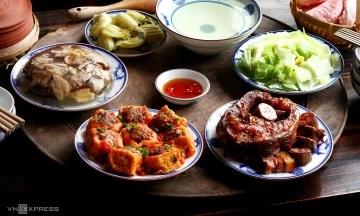
Broths made from marrow bones, beef cartilage, and chicken cartilage contain natural collagen, glucosamine, and chondroitin. These are structural components of cartilage tissue, maintaining moisture, creating viscosity for joint fluid, and reducing aches and pains during movement.
According to Doctor Yen Thuy, in addition to foods beneficial for bones and joints, seniors should also supplement with natural bioactive nutrients such as undenatured type II collagen, collagen peptides, and extracts from eggshell membrane, turmeric, and chondroitin sulfate. These nutrients can influence inflammatory mechanisms, help protect the joint capsule, and promote cartilage regeneration. Patients may experience reduced pain, limited swelling and inflammation, and sustained durability for their musculoskeletal system from within.
Diet and nutrient supplementation are only supportive measures and do not replace medication or medical treatments for musculoskeletal conditions. When symptoms such as persistent pain, hot, red, and swollen joints, joint deformity, or significantly restricted movement appear, patients need to visit a medical facility with a musculoskeletal specialist for examination.
Bui Duc
| Readers can ask nutrition questions here for doctors to answer. |