Fiber is an essential nutrient offering numerous health benefits for women, from aiding digestion to supporting cardiovascular well-being. Ensuring adequate daily intake is crucial for maintaining overall health and preventing various conditions.
**Promotes healthy digestion**
According to Eating Well, fiber facilitates food movement through the intestines, improving digestion. This nutrient also supports a balanced gut microbiome. Good sources of fiber include green vegetables, whole fruits, oats, legumes, and whole grains. Adult women are typically advised to consume about 25 g of fiber daily.
**Aids in weight management**
One key reason women should increase fiber intake is its ability to promote satiety. Fiber-rich foods require more chewing and digestion time, which helps reduce the urge to snack or overeat at subsequent meals, benefiting those managing their weight.
**Helps stabilize blood sugar levels**
Soluble fiber slows the digestion and absorption of carbohydrates, allowing glucose to enter the bloodstream more gradually and preventing rapid blood sugar spikes after meals. This is particularly beneficial for women at risk of blood sugar imbalances or those needing to manage their dietary sugar intake. Whole grains, legumes, and vegetables are excellent fiber sources, offering a healthier alternative to pastries, juices, and refined starches.
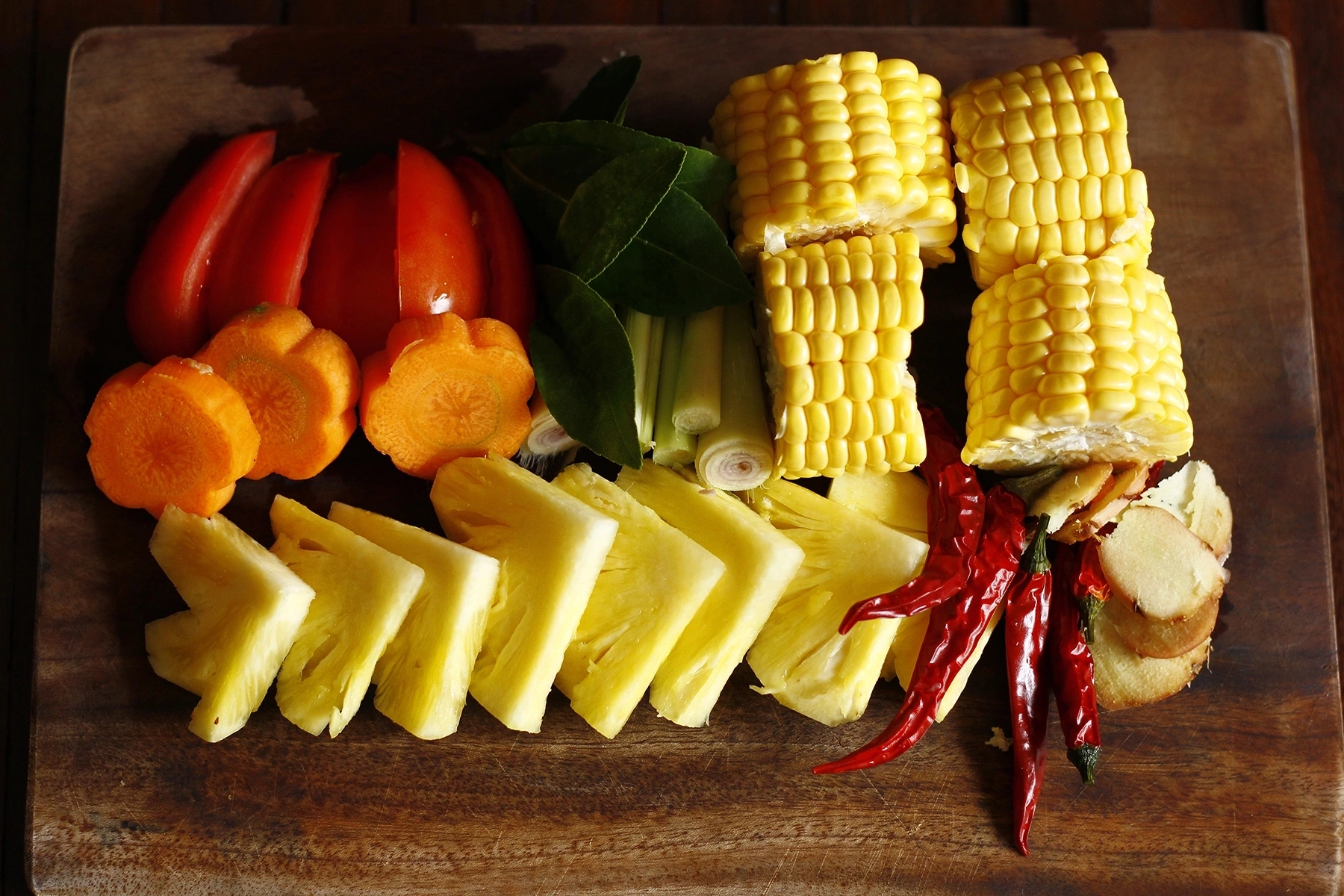 |
Fiber-rich fruits and vegetables. Photo: Bui Thuy. |
**Supports cardiovascular health**
Regular fiber intake can help improve blood cholesterol levels, thereby supporting cardiovascular health. After menopause, hormonal changes and aging can increase the risk of heart-related issues. A diet rich in vegetables, fruits, and legumes contributes fiber, vitamins, and minerals beneficial for overall health, according to WebMD.
To maximize fiber's benefits, women should incorporate a variety of food sources rather than focusing on just one type. Prioritize whole fruits over juices, as the juicing process significantly reduces fiber content.
When increasing fiber intake, do so gradually, especially if your diet previously contained few vegetables and whole grains. A rapid increase can lead to bloating, gas, or discomfort. Adequate water intake is also crucial, as fiber needs water to function effectively in the digestive tract.
Women should prioritize cooking methods like boiling, steaming, or light sauteing to preserve nutrients. Limit deep-frying or adding excessive sugar and salt to ensure meals remain healthy.
Le Nguyen (Compiled)
| Readers can submit questions about obstetrics and gynecology here for a doctor's response |