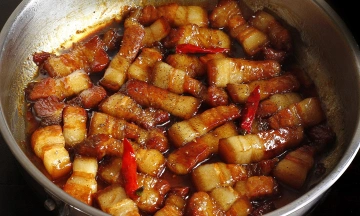
Caramelizing sugar to create a rich color and aroma for braised meat and fish is a common culinary practice in many households. However, it is crucial to avoid over-caramelization, which can burn the sugar. When sugar is overheated, it produces black smoke and a bitter taste, potentially forming harmful substances that pose health risks. This burnt, bitter sugar not only diminishes the quality of the dish but can also lead to indigestion and adversely affect the stomach and liver.
Furthermore, home cooks often struggle to accurately measure the amount of refined sugar used when caramelizing by estimation. The World Health Organization (WHO) recommends that daily free sugar intake should be below 25 g, or approximately 5 teaspoons, to maintain good health.
Consistent consumption of excess refined sugar can lead to its accumulation as stored fat, contributing to overweight, obesity, high blood pressure, fatty liver, and an increased risk of developing diabetes.
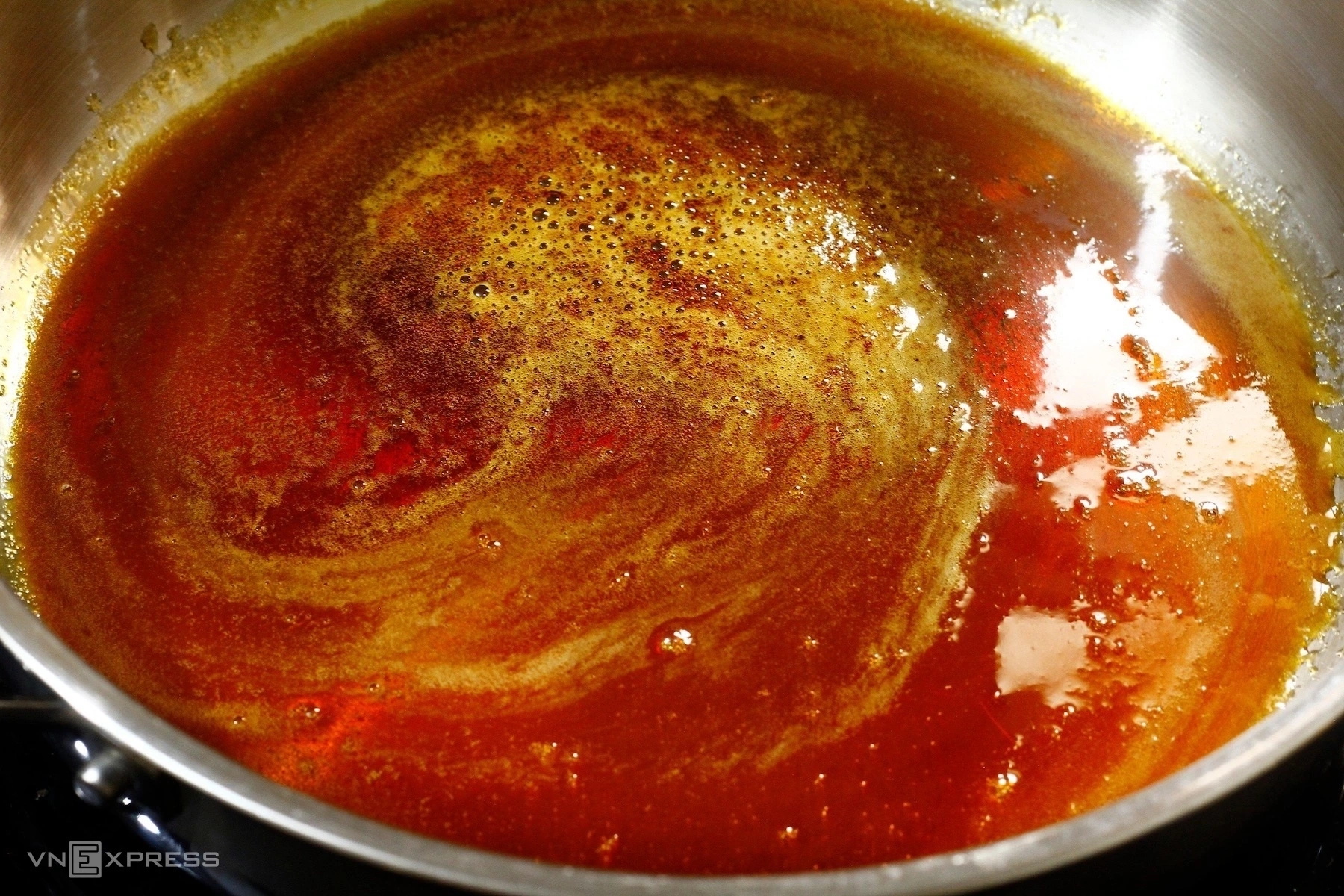 |
Illustrative photo: Bui Thuy |
For safe caramelization, turn off the heat immediately when the sugar reaches a honey-yellow or light brown color. The residual heat in the pot or pan will continue to transform the sugar to the desired reddish-brown without burning. Subsequently, adding a small amount of warm or hot water to the pan can instantly cool it, halting the heating reaction.
If the sugar accidentally turns black and develops a distinct bitter taste, it is essential to discard that batch and start fresh, as it should not be used for cooking food.
Alternatively, fresh coconut water, palm sugar, or pure molasses can be used to impart natural sweetness. For those with limited time, pre-packaged caramel sauces and complete braising spices from reputable brands offer a convenient option, allowing for better control over sugar intake and ensuring consistent flavor.
Associate Professor, Dr. Nguyen Duy Thinh
Expert, Institute of Biotechnology and Food Technology, Hanoi University of Science and Technology