Walking is one of the simplest activities that supports physical, cardiovascular, and neurological health. Instead of resting or lying down immediately after a meal, a short walk can offer several health benefits.
Aids digestion
According to Healthline, light activity after eating stimulates stomach and intestinal movement, helping food pass more smoothly through the digestive system. A 10-15 minute walk after each meal, maintained for 4 weeks, can alleviate symptoms like bloating, abdominal distension, and burping.
Blood sugar control
According to the Times of India, a short post-meal walk can significantly lower blood sugar spikes, even for individuals without diabetes. When muscles are active, the body uses blood glucose for energy, thus curbing post-meal blood sugar increases.
Timing is crucial, as blood sugar levels typically peak 30-60 minutes after eating. Even a two to 10-minute walk immediately after a meal can positively impact blood sugar control.
Beneficial for cardiovascular health
Regular post-meal walking helps lower LDL cholesterol (bad cholesterol) and reduces the risk of cardiovascular diseases. Moreover, consistent physical activity can decrease inflammation, a factor linked to numerous chronic illnesses, including heart disease.
Supports weight management
Walking is a simple activity that boosts energy expenditure. Pairing post-meal walks with a balanced diet can create a calorie deficit, a key aspect of weight management. Consistent short walks after meals also enhance insulin sensitivity and energy metabolism, reducing the risk of excess fat accumulation.
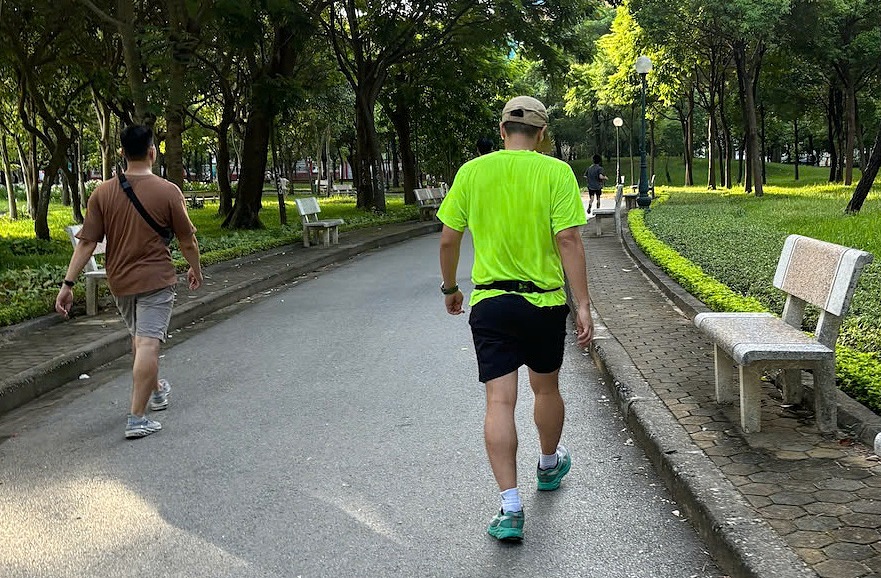 |
Walking after meals increases energy expenditure and metabolism, supporting weight management. *Photo: Bao Bao* |
Improves sleep quality
The habit of post-meal walking can also benefit sleep. A light evening walk can enhance sleep efficiency, increasing the proportion of actual sleep time relative to total time in bed.
Helps lower blood pressure
Verywell Health also notes that regular walking helps lower blood pressure in individuals with hypertension or prehypertension. Dividing physical activity into several short walks throughout the day can also improve cardiovascular health and blood circulation.
Experts recommend walking at a light to moderate intensity for about 10 minutes after each meal. There is no need to walk too fast or engage in strenuous exercise immediately after eating. If abdominal discomfort arises from exercising right after a meal, waiting about 10-15 minutes before starting to walk is advisable.
Individuals with cardiovascular disease, diabetes, or other specific health concerns should consult a doctor to determine a suitable exercise regimen.
Bao Bao (Compiled)