 |
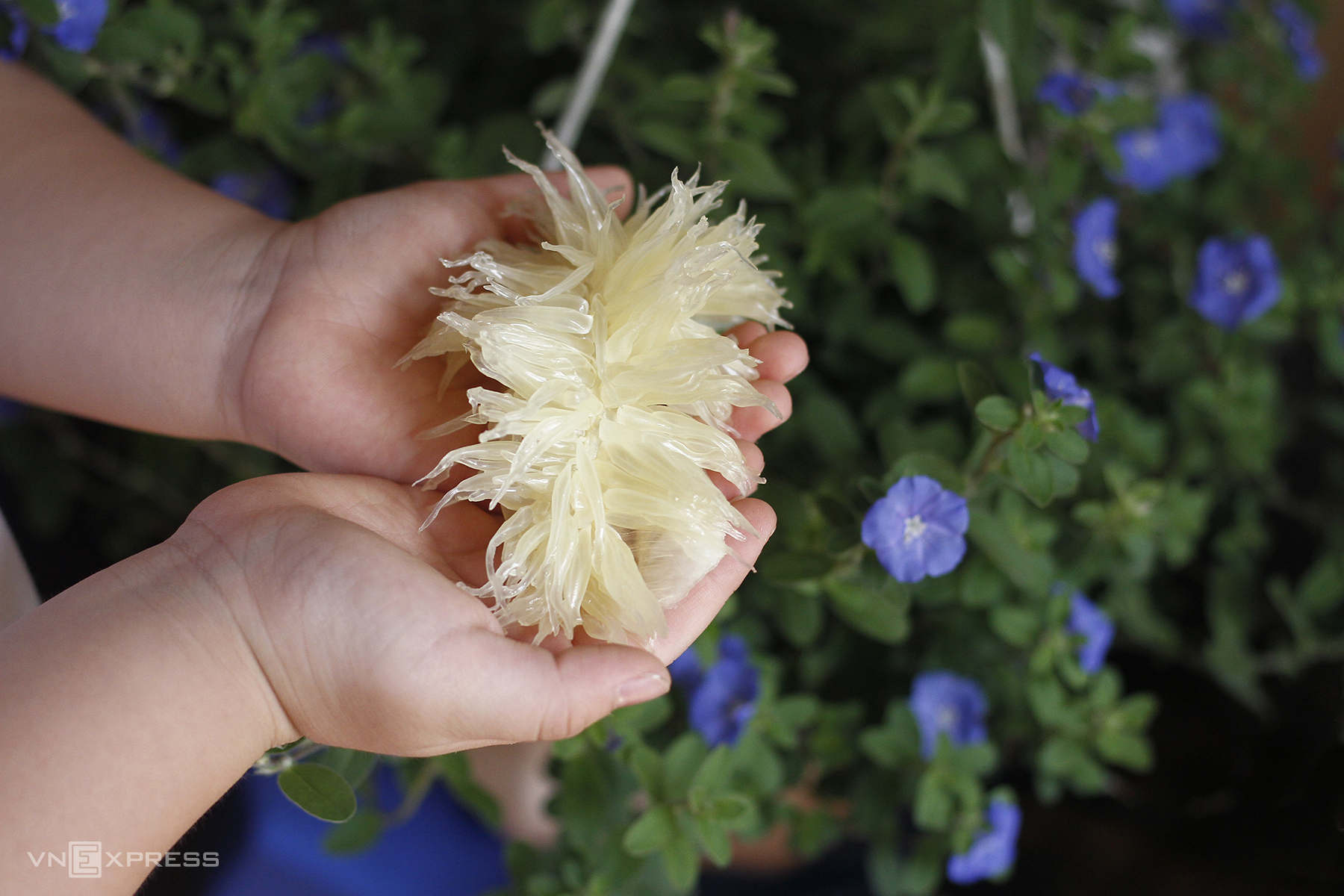
Grapefruit provides abundant fiber and essential minerals, along with vitamins A and C. This fruit contains almost no fat and boasts a high water content, exceeding 91%, which helps the body stay hydrated, feel full longer, and supports weight loss. |
**Grapefruit** stands out as a valuable ally in weight loss efforts, providing abundant fiber, essential minerals, and vitamins A and C. With almost no fat and a water content exceeding 91%, grapefruit helps the body stay hydrated and promotes a feeling of fullness, which is crucial for managing weight effectively.
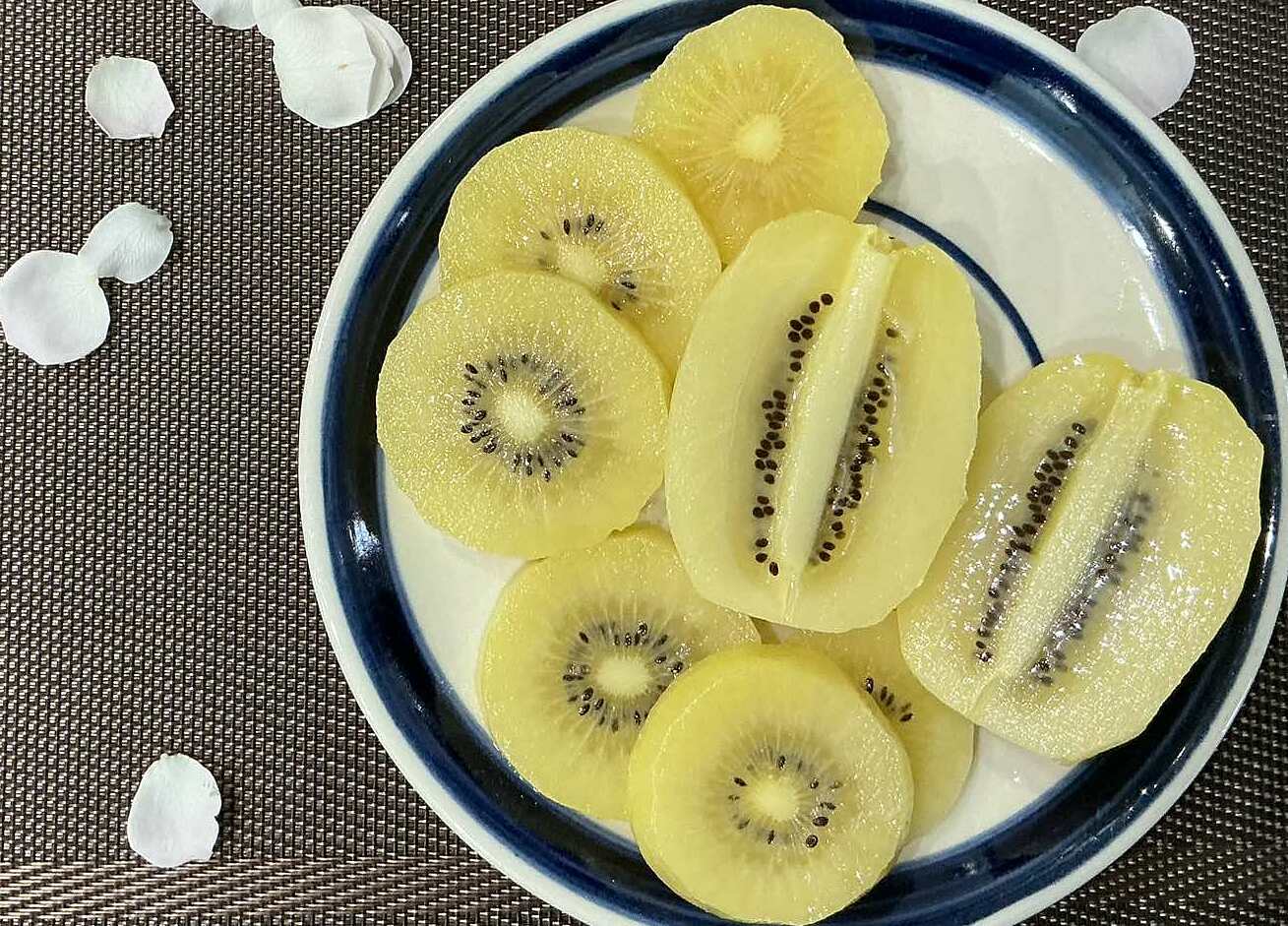 |
Kiwi is rich in fiber, along with other minerals and antioxidants such as vitamin C. Fiber increases feelings of fullness, reduces cravings, and helps control subsequent calorie intake. You can enjoy kiwi after main meals, blend it into smoothies, or add it to desserts like jelly. |
**Kiwi** is a nutrient-dense fruit, rich in fiber, minerals, and antioxidants, including vitamin C. Its high fiber content enhances satiety, curbs cravings, and aids in controlling calorie intake. Kiwi can be enjoyed after meals, blended into smoothies, or incorporated into desserts like jelly.
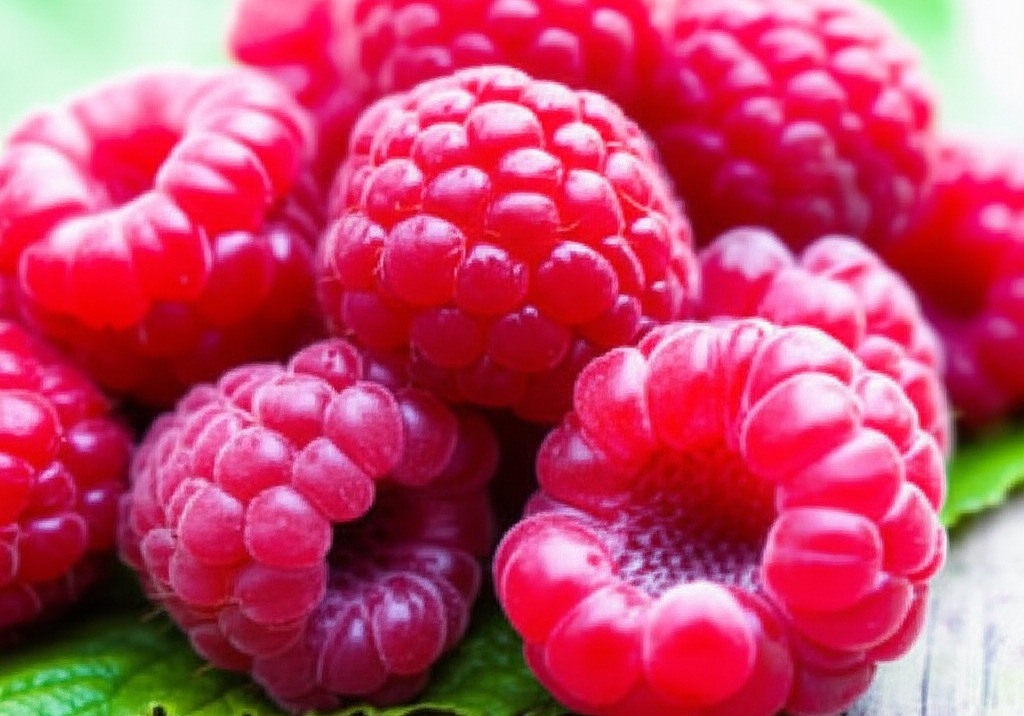 |
Raspberries contain approximately 8 g of fiber per 120 g serving. Consuming one serving of raspberries fulfills about one-third of an adult's recommended daily fiber intake. Raspberries are also rich in antioxidants, vitamins, and minerals, which support fat burning and weight loss. |
**Raspberries** offer a significant fiber boost, with approximately 8 g per 120 g serving, meeting about one-third of an adult's daily recommended intake. Beyond fiber, these berries are packed with antioxidants, vitamins, and minerals, all contributing to fat burning and effective weight loss.
 |
A medium-sized pear contains about 6 g of fiber (more than an apple) and is rich in antioxidants like vitamin C. Individuals aiming for weight loss should avoid canned pears, as they often contain added sugar and carbohydrates, which hinder weight loss progress. |
A medium-sized **pear** delivers about 6 g of fiber, exceeding the content found in an apple, and is rich in antioxidants like vitamin C. For those focused on weight loss, it is crucial to avoid canned pears due to their added sugars and carbohydrates, which can counteract weight management efforts.
 |
Guava contains about 6 g of fiber per 120 g serving, more than an apple. Guava is richer in vitamin C than oranges, promoting satiety and boosting immune health. Individuals aiming for weight loss can eat guava with its skin or blend it into smoothies. Those with stomach pain should avoid eating guava seeds on an empty stomach to prevent irritation and discomfort. |
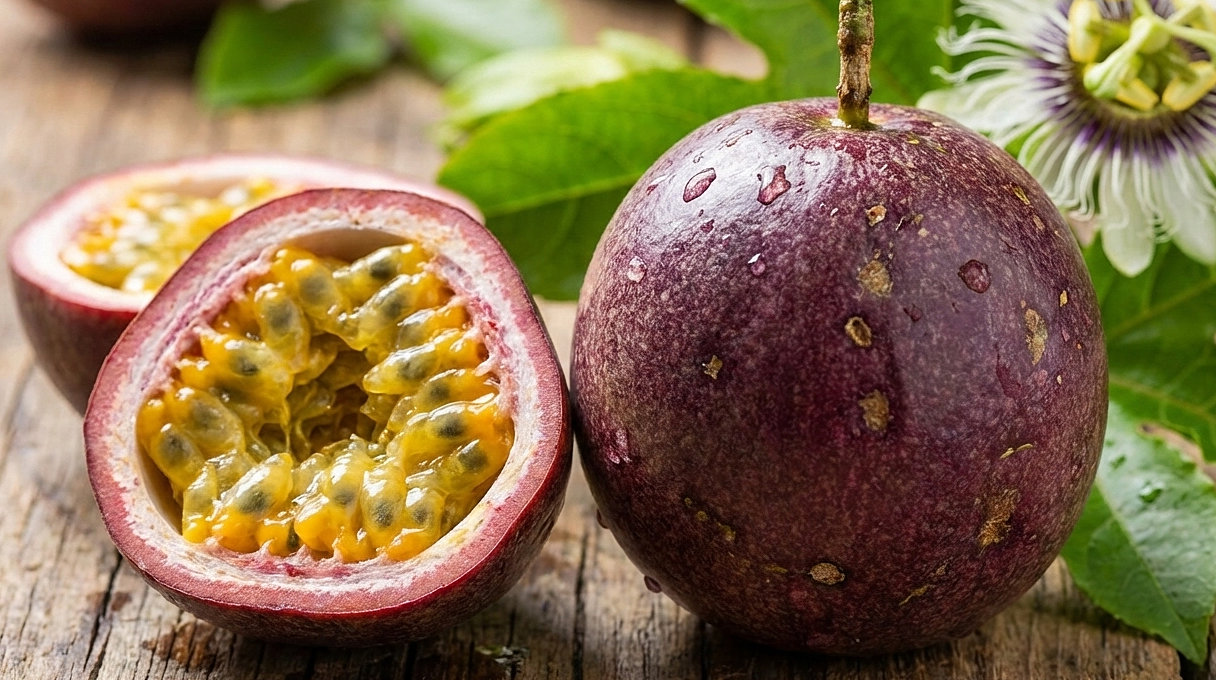
**Passion fruit** is a tropical powerhouse, abundant in fiber and vitamins A and C, which bolster eye health, skin health, and the immune system. A 100 g serving provides approximately 10 g of fiber, making a significant contribution to the daily recommended intake of 25-30 g.
This mildly tart fruit can be enjoyed fresh, incorporated into beverages, smoothies, or frozen desserts. To fully benefit from its fiber content, consume the seeds and minimize the addition of sugars or artificial sweeteners.
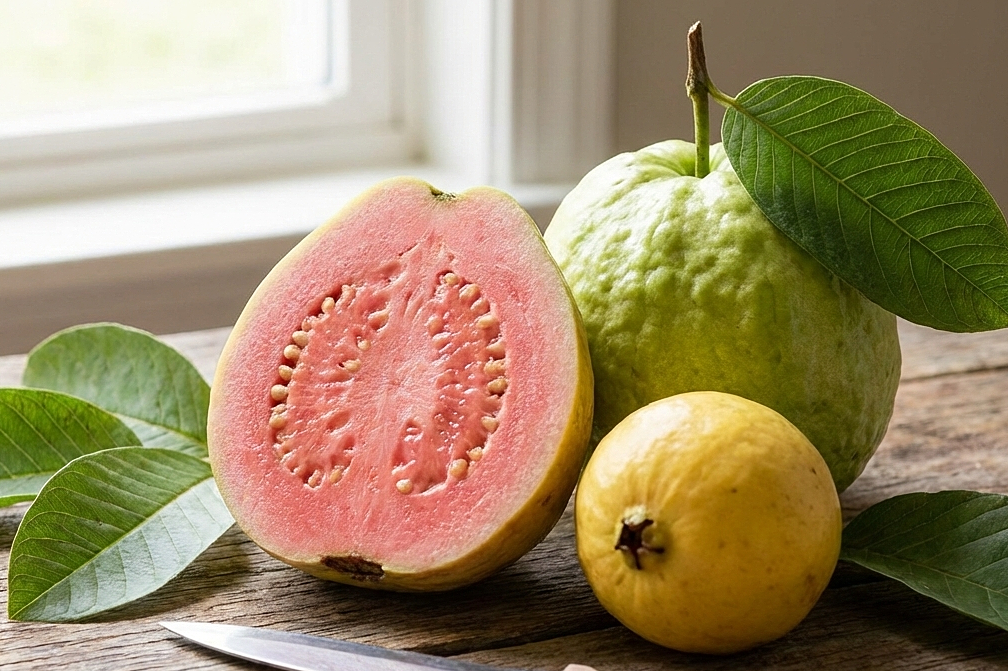 |
**Guava** provides approximately 6 g of fiber per 120 g serving, surpassing apples. It also contains more vitamin C than oranges, contributing to prolonged satiety and enhanced immune health. For weight loss, guava can be consumed with its skin or blended into smoothies. However, individuals with stomach sensitivities should avoid eating guava seeds on an empty stomach to prevent irritation.
Anh Chi (According to Very Well Health)
Photos: Anh Chi, Bui Thuy, AI