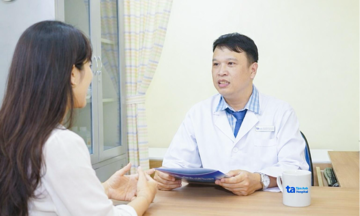
Doctor To Thi Hong Nhung, from the Obstetrics and Gynecology Center at Tamanh General Hospital, Hanoi, explains that during pregnancy, elevated progesterone levels relax smooth muscles, including those in the intestines. This relaxation slows down bowel movements, leading to constipation. Additionally, the growing uterus can press on certain nerves, narrowing the digestive tract.
Other factors contributing to constipation include excessive iron and calcium supplementation, which can alter gut microbiota and slow digestion. A diet low in fiber, inadequate fluid intake, a sedentary lifestyle, and frequently delaying bowel movements also play a role. Doctor Nhung offers the following recommendations for pregnant women to alleviate this condition.
**Increase Fiber-Rich Foods**
Pregnant women should aim for approximately 28-34 g of fiber daily. This fiber can be found in dark green vegetables such as malabar spinach, amaranth, broccoli, and spinach; fresh fruits like papaya, oranges, pomelos, pears, apples, dragon fruits, and bananas; as well as various legumes and whole grains. Fiber helps increase stool volume and effectively stimulates bowel movements.
**Stay Adequately Hydrated**
Drinking two to two and a half liters of water daily is crucial. Water softens stool and helps fiber work effectively. Distribute your fluid intake evenly throughout the day, avoiding large amounts in the evening to prevent sleep disturbances. Besides plain water, you can also consume broth, unsweetened fresh fruit juices, and pregnancy-appropriate milk. Limit foods known to contribute to constipation, such as coffee, processed foods, fried items, and chocolate.
**Incorporate Probiotic-Rich Foods**
Probiotic-rich foods like yogurt and other fermented products can help maintain a balanced gut microbiota. This supports digestion, reduces gut inflammation, improves nutrient absorption, and alleviates constipation. However, pregnant women should consume fermented foods in moderation.
 |
Pregnant women should drink plenty of plain water to reduce constipation. Image created by AI
**Engage in Gentle Exercise**
Regular physical activity for approximately 20-30 minutes, including yoga, gentle stretching, and walking, can stimulate bowel movements. If you work in an office or spend extended periods sitting, it is advisable to stand up, walk around, and change your posture every one to two hours.
**Avoid Delaying Bowel Movements**
The morning, shortly after waking, or after meals, is when bowel activity is typically strong, making it an ideal time to establish a regular bowel habit. When having a bowel movement, maintain a relaxed state and avoid straining to prevent the risk of hemorrhoids and anal fissures.
**Practice Gentle Abdominal Massage**
Gently massaging the abdomen clockwise, taking warm baths, maintaining a relaxed mindset, getting adequate rest, and ensuring sufficient sleep can all improve digestive function. Prolonged stress and anxiety can negatively impact bowel activity, leading to more severe constipation.
**Consult a Doctor Regarding Iron or Calcium Supplements**
If iron or calcium supplementation contributes to constipation, pregnant women should consult their doctor about discontinuing them. A doctor can adjust the dosage, recommend more easily absorbed types, or provide guidance on appropriate intake methods. Pregnant women must not discontinue any medications or micronutrient supplements without medical advice, as this could lead to anemia or negatively affect fetal development.
Doctor Nhung emphasizes that pregnant women should not self-administer enemas or use laxatives, as these can stimulate uterine contractions and adversely affect the fetus. Pregnant women experiencing constipation for two weeks, especially if accompanied by nausea and abdominal pain, should seek medical consultation for appropriate treatment advice.
Trinh Mai