Lupus not only affects the skin, joints, or internal organs but can also impact the eyes in various ways, leading to a range of ophthalmic issues.
**Dry Eyes**
Dry eyes are a common manifestation in people with lupus. This condition occurs when the immune system affects the tear glands, reducing tear production and increasing susceptibility to inflammation. Patients may experience dryness, grittiness, itching, burning, redness, or light sensitivity.
**Corneal Ulceration**
Prolonged dry eyes deprive the corneal surface of moisture, making it vulnerable to damage. This increases the risk of abrasions, ulcers, and corneal infections. Symptoms can include eye pain, redness, photophobia (light sensitivity), or blurred vision. Treatment varies by cause and may include lubricating eye drops, anti-inflammatory medications, or infection treatments.
**Eyelid Skin Lesions**
Discoid lupus can cause scaly lesions on the eyelids, typically appearing in sun-exposed areas. This condition can affect aesthetics and requires treatment to manage skin damage.
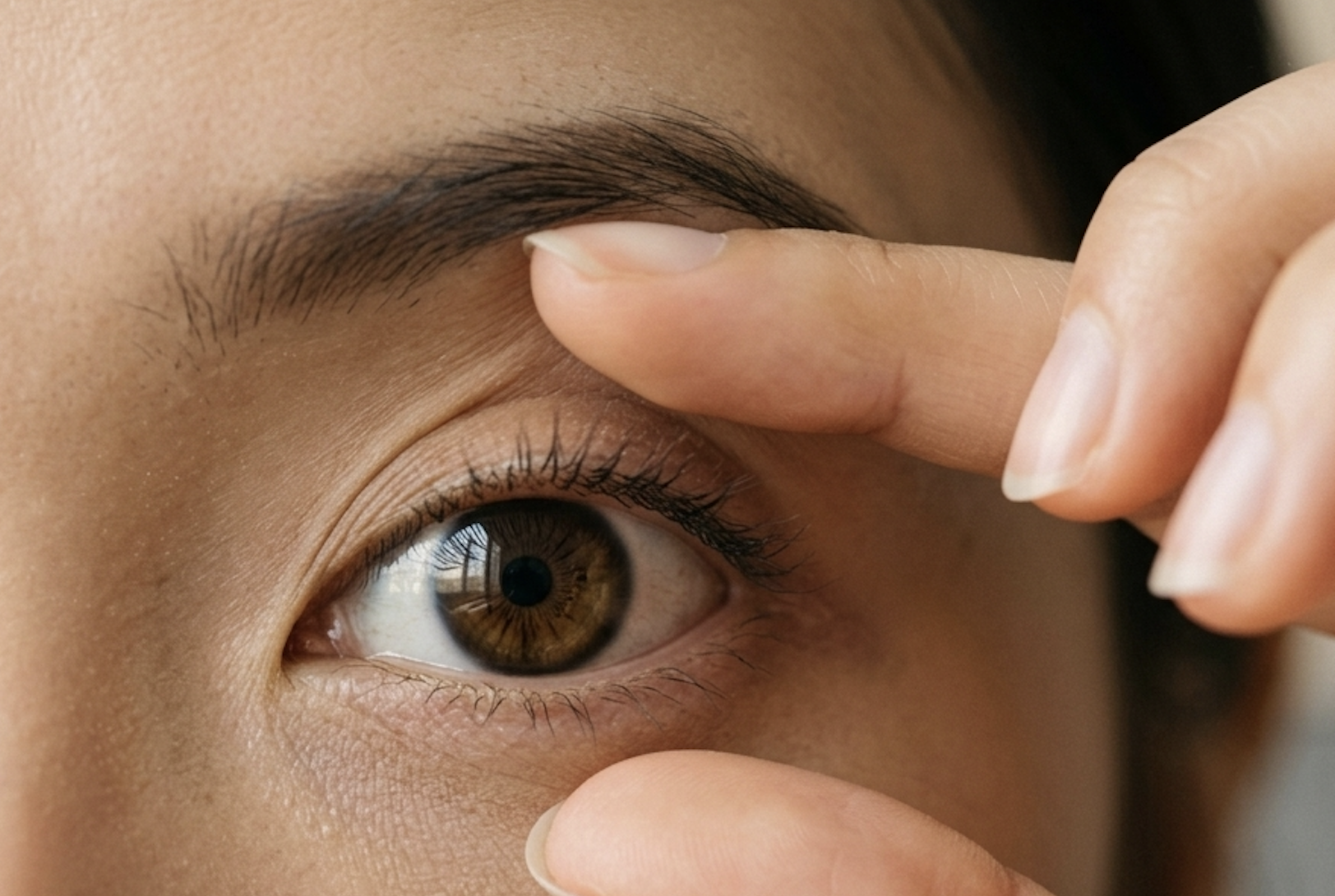 |
Lupus can affect the eyes, causing dry eyes, inflammation, and some vision-threatening complications. Illustration: AI
**Retinal Vasculitis**
Lupus can cause inflammation of the retinal blood vessels, reducing blood flow and affecting retinal function. Vascular damage can lead to the formation of abnormal blood vessels, causing edema or hemorrhage. This may result in blind spots or reduced vision.
**Scleritis**
The sclera is the tough, white tissue layer covering the outer eyeball. When inflamed, patients often experience pain, eye redness, blurred vision, or light sensitivity. If severe inflammation persists, the sclera can thin, increasing the risk of serious eye damage.
**Uveitis and Choroiditis**
Lupus can also cause uveitis, including choroiditis at the back of the eye. This damage can affect the blood supply to the retina and, in severe cases, lead to retinal detachment, threatening vision.
**Retinal Artery Occlusion**
Central retinal artery occlusion is a rare but serious complication. It occurs when the blood supply to the retina is blocked, causing sudden, partial, or complete vision loss in one eye. This condition is considered an ophthalmic emergency and requires immediate treatment upon symptom onset. Lupus, especially when accompanied by antiphospholipid syndrome, can increase the risk of blood clot formation.
**Optic Nerve Damage**
In some rare cases, lupus can cause inflammation or insufficient blood supply to the optic nerve, leading to vision loss. Optic nerve damage can be severe and requires early treatment to limit the risk of vision loss.
Lupus patients should seek medical attention if they experience blurred vision, persistent eye pain or redness, light sensitivity, blind spots, or changes in vision. If sudden vision loss occurs, patients must go to an ophthalmology specialist immediately, as some retinal vascular and optic nerve complications can progress rapidly, severely impacting vision.
Bao Bao (Compiled)
| Readers can submit questions about ophthalmic diseases here for doctors to answer. |