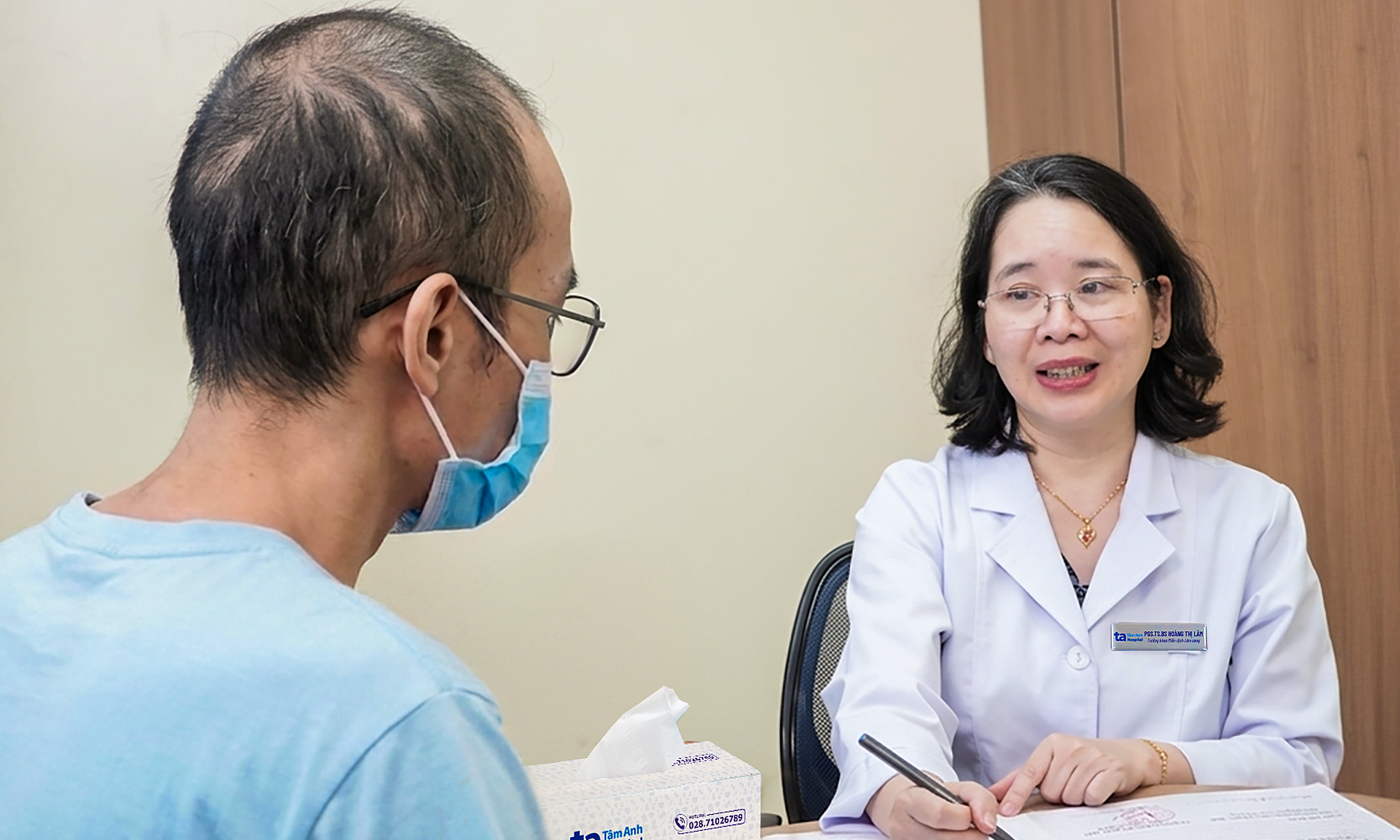
After 12 years of trying to expand their family, Hong, 42, and her husband Kien, 45, faced significant challenges. They had their first child in 2014 but subsequent attempts to conceive were unsuccessful. Doctor Tran Ngoc Van Anh, from the Fertility Support Center at Tam Anh General Hospital - District 8, noted that Hong's ovarian reserve (AMH) had declined due to her age. Kien was also diagnosed with low, weak, and severely malformed sperm. Given the couple's age and these medical factors, natural conception was highly unlikely, leading Doctor Van Anh to recommend in vitro fertilization (IVF).
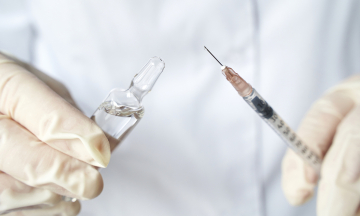
The IVF process began with Kien providing a semen sample, which was then washed. Under a microscope, embryologists carefully identified four sperm with the most stable morphology and best motility. These selected sperm were directly injected into four of Hong's mature oocytes using intracytoplasmic sperm injection (ICSI), a technique designed to overcome male infertility factors. This procedure successfully resulted in two day five embryos.
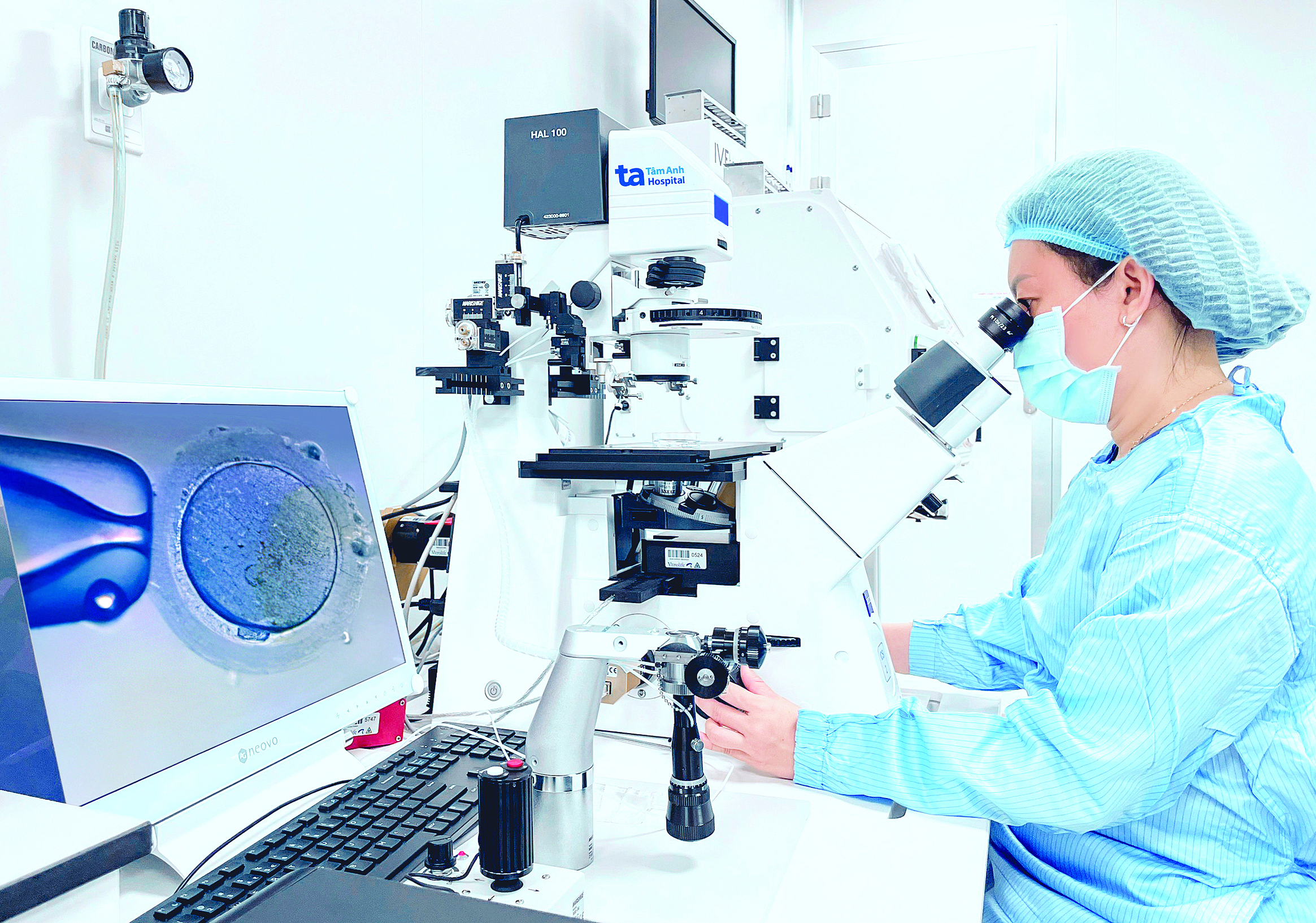 |
Embryologists inject sperm into egg cytoplasm (ICSI) before embryo culture in an ISO 5 laboratory. *Photo: Tam Anh General Hospital*
Before the embryo transfer, Doctor Van Anh performed a hysteroscopy on Hong. The examination revealed chronic endometritis accompanied by endometriosis. These conditions were identified as potential factors hindering embryo implantation and contributing to Hong's previous miscarriages. To address these issues, Hong received antibiotics for two weeks to treat the chronic endometritis. Following this, she took hormonal inhibitors for two months. This regimen was designed to allow her uterus to rest, shrink endometrial lesions, and suppress inflammatory responses, thereby optimizing the uterine environment for pregnancy.
With the uterine conditions managed, Doctor Van Anh proceeded to transfer one good-quality embryo into Hong's uterus. The transfer was successful on the first attempt, bringing an end to 12 years of struggle. The fetus is currently 12 weeks old and developing well, a sweet reward for the couple's perseverance.
Female infertility often arises from a combination of factors. In older women, declining egg quality frequently leads to chromosomal abnormalities in embryos, making conception difficult or hindering normal fetal development. Furthermore, existing uterine conditions can significantly complicate both achieving and maintaining a pregnancy, often resulting in recurrent miscarriages, as experienced by Hong.
For older women experiencing infertility or with a history of miscarriages, seeking comprehensive evaluation at specialized fertility clinics is crucial. Effective treatment extends beyond assisted reproductive technologies; it requires simultaneously addressing underlying issues such as endometritis, hormonal imbalances, immune factors, and blood clotting disorders. This comprehensive approach significantly improves the chances of achieving and maintaining a safe pregnancy.
Dinh Lam
*Patient names have been changed