Amidst record-breaking heatwaves across Europe and many parts of the world this July, scientists are hailing watermelon as a "golden solution" for the circulatory system.
Doctor Linia Patel, author of "The Diet-Drug Life", and nutritionist Sophie Trotman from the UK, assert that this common fruit is an ideal alternative to expensive superfoods for enhancing vascular health.
Watermelon's primary benefit is its optimal rehydration capability. As temperatures rise, the body loses significant sweat, leading to fatigue, headaches, and even kidney damage. Patel emphasizes that a 200 g serving of watermelon provides approximately 180 ml of water, contributing substantially to the daily fluid intake. This fruit specifically supports the circulatory system through the compound citrulline. Once in the body, citrulline converts into L-arginine, stimulating nitric oxide production which relaxes and dilates blood vessels. This process improves blood flow, promoting more efficient oxygen and nutrient delivery to muscles.
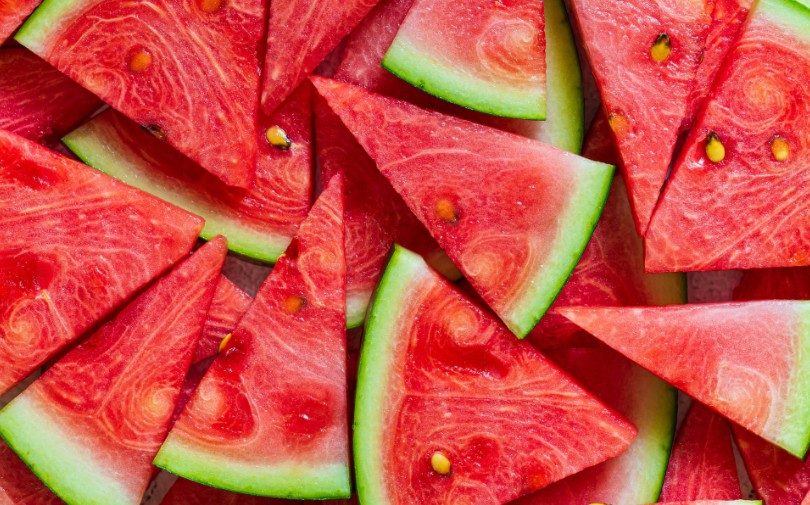 |
Watermelon helps strengthen vascular function and improve cardiovascular health. *Photo: The Telegraph*
Several studies published in 2017 and 2020 indicate that watermelon consumption helps lower blood pressure and improve exercise performance. The component lycopene—an antioxidant responsible for the fruit's red color—plays a vital role in protecting cardiovascular health, controlling cholesterol, and maintaining blood vessel integrity.
Additionally, watermelon's rich vitamin C content boosts immunity and stimulates collagen production, while vitamin A supports skin nourishment and protects vision.
Watermelon is also an ideal natural electrolyte source for athletes. With a potassium content of approximately 110 mg per 100 g and very low sodium, this fruit helps maintain stable blood pressure and supports nerve transmission. However, due to watermelon's high glycemic index (GI), individuals with diabetes or poor glucose control need to moderate their intake.
Experts suggest combining watermelon with Greek yogurt or cheese to slow down sugar absorption into the bloodstream. Individuals with irritable bowel syndrome (IBS) should also be cautious, as the fruit's high fructose content can cause bloating and indigestion.
To maximize nutritional benefits, consumers should eat about 150-200 g per serving. The L-citrulline compound is most concentrated in the white rind, so users can blend the entire rind or prepare the rind as a side dish. Combining watermelon with cheese, basil, and olive oil not only enhances flavor but also helps extend satiety due to added protein.
Binh Minh (According to *The Telegraph*)