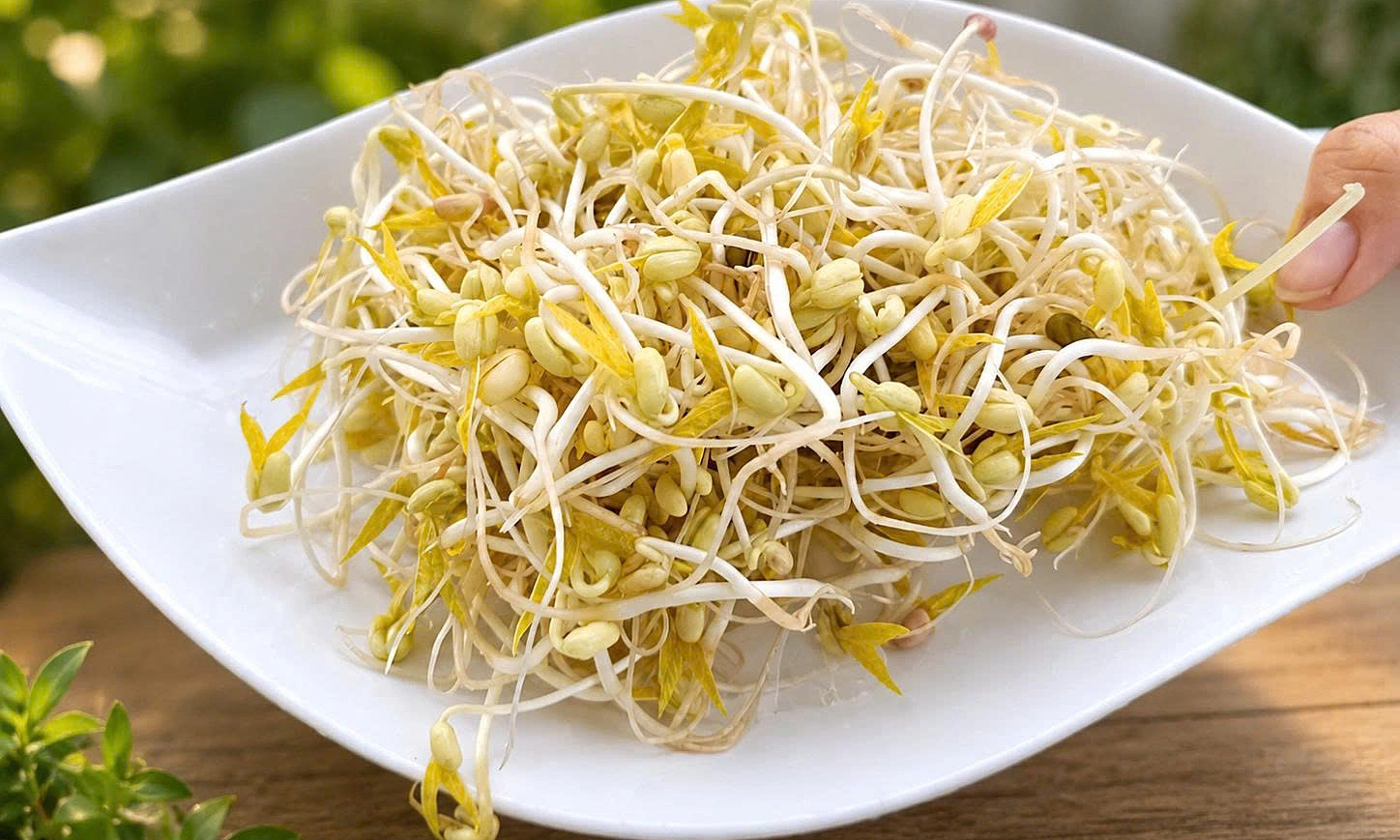
Boiling is among the simplest methods of food preparation. This technique helps retain more essential nutrients compared to other high-temperature cooking methods. It allows the body to receive vital nutrients like vitamins A, C, K, and minerals such as potassium and magnesium. Boiling also avoids the use of spices and oils common in frying or grilling, which can be less healthy.
However, the common belief that eating only boiled foods, such as boiled vegetables and meat, is sufficient for good health and effective weight loss is incorrect. Boiling and steaming are merely cooking methods; the crucial factors are total energy intake, the balance of nutrient groups, and the long-term sustainability of the diet. An overly monotonous diet can lead to energy and micronutrient deficiencies, causing a loss of appetite. Many individuals, being too strict with themselves, quickly give up or overeat later, leading to weight regain.
As people age, their basal metabolic rate gradually decreases, muscle mass declines, and hormonal changes make weight management more challenging. Excessive calorie restriction can prompt the body to react adversely. When consistently in a state of energy deficit, the body activates a "conservation" mechanism, slowing metabolism to sustain vital functions.
Consequently, those trying to lose weight often experience fatigue, reduced muscle mass, decreased energy burning efficiency, and frequent food cravings. This explains why many individuals, despite eating very little, experience slow weight loss or quickly regain weight after ending a diet regimen.
In reality, healthy culinary traditions, like those in Japan, do not rely solely on boiled foods. Instead, they emphasize diversity, balanced portions, and meal quality. Effective weight loss must still ensure a good quality of life. While steaming and boiling help reduce the energy content of foods, these methods should not be applied long-term without balancing nutrient groups and considering the sustainability of the diet.
PGS.TS.BS Nguyen Trong Hung
National Institute of Nutrition