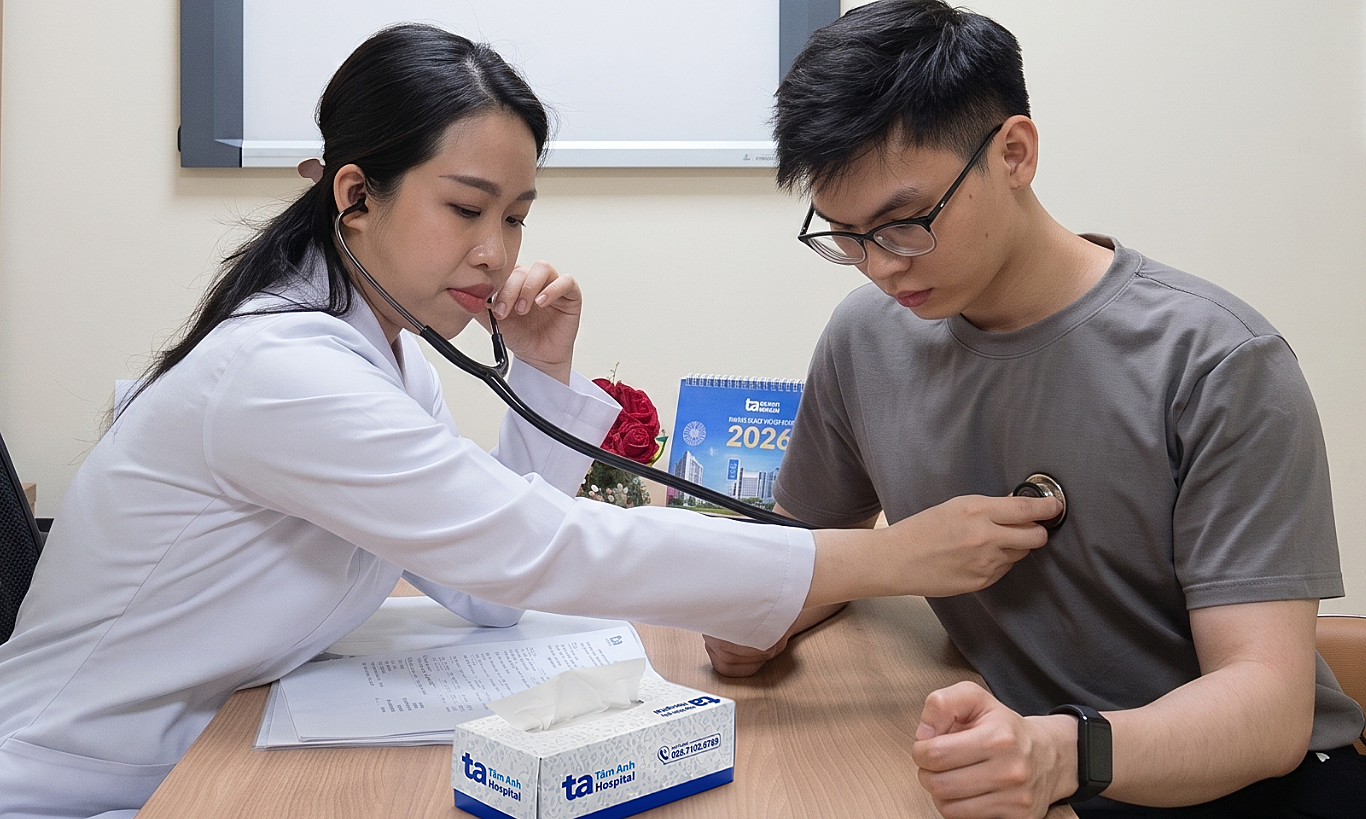
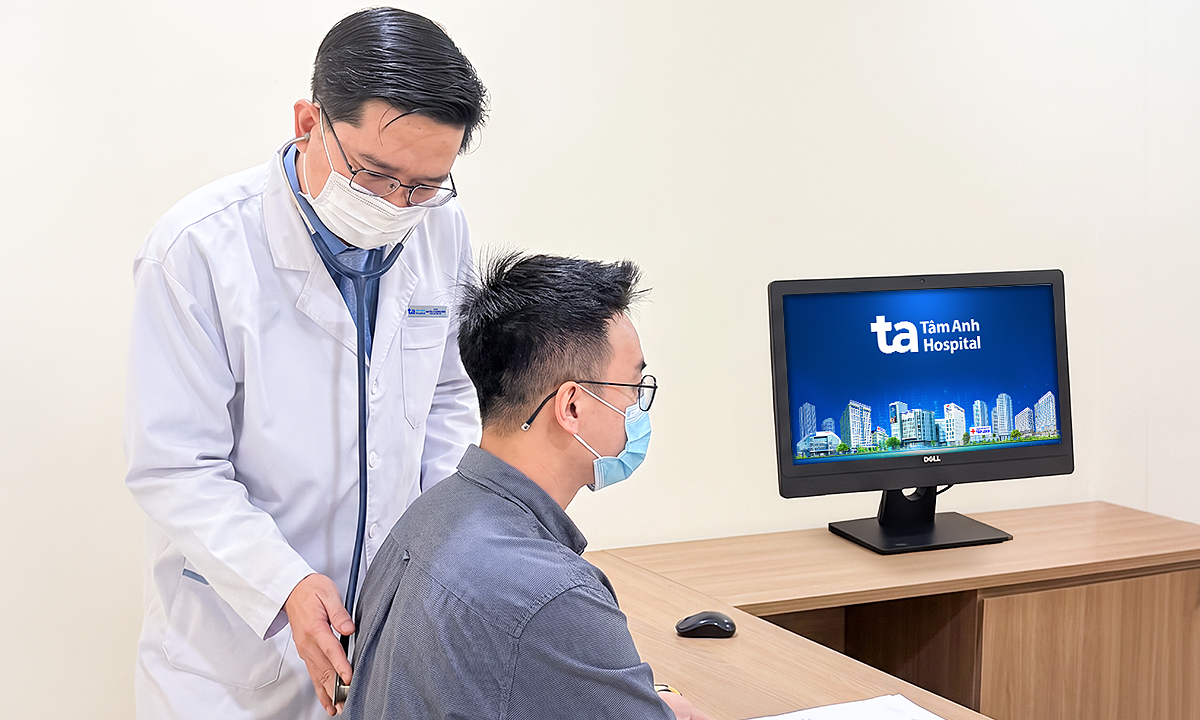
On 11/7, Director of Ho Chi Minh City's Department of Health Tang Chi Thuong announced that the city aims to establish a network of basic-level hospitals capable of treating most common illnesses locally. This initiative will allow residents to access medical care closer to home, while central hospitals can focus on severe cases and specialized techniques.
According to the 2026 roadmap, regional medical centers will transform into basic-level hospitals. These new facilities will be responsible for general examinations, initial emergency care, chronic disease management, and performing techniques aligned with their capacities. Cases exceeding their capabilities will be referred to higher-level facilities within the specialized network.
This initiative is a crucial link in the multi-tiered, multi-polar, multi-center healthcare model that Ho Chi Minh City is developing. Under this model, hospitals will be functionally stratified and connected into a network, ensuring patients receive treatment at the nearest facility with adequate capabilities, rather than converging on a few large hospitals as is currently the case.
To prepare for this transition, the Department of Health organized its first management experience sharing program for directors of regional medical centers—the future operators of these new hospitals—on 10-11/7. The program focused on practical challenges rather than theory, addressing issues such as retaining medical staff, improving quality, developing paperless hospitals, balancing revenue and expenditure, organizing emergency services, and selecting appropriate development models.
Topics were shared by leaders from the city's central hospitals, including Nhi dong Thanh Pho, Hung Vuong, Nhi dong 1, Nhan dan Gia Dinh, Nhan dan 115, and Da khoa Binh Thanh. According to the Department of Health, the objective is to help the new units expedite their organizational development and avoid repeating the difficulties previously faced by larger hospitals.
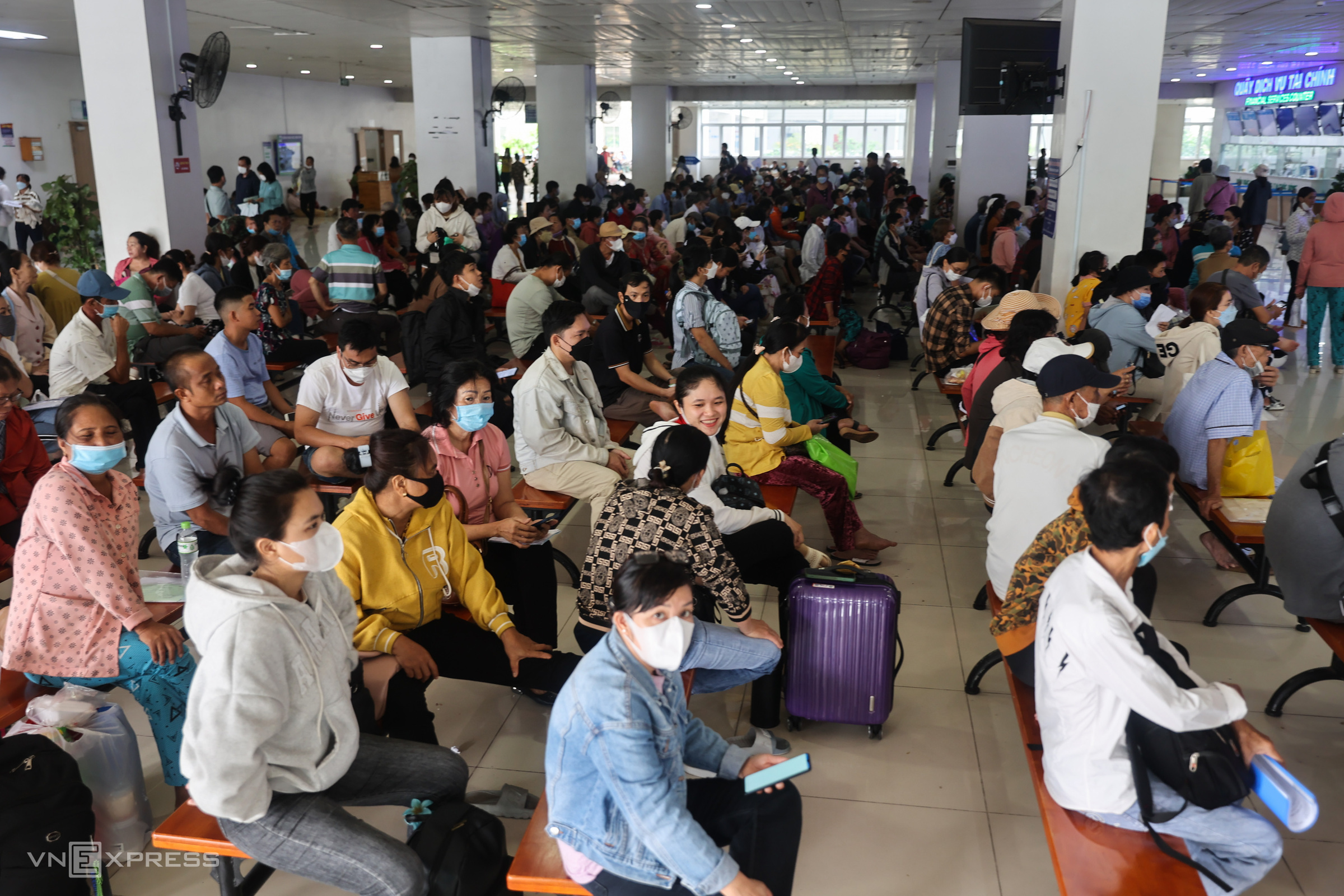 |
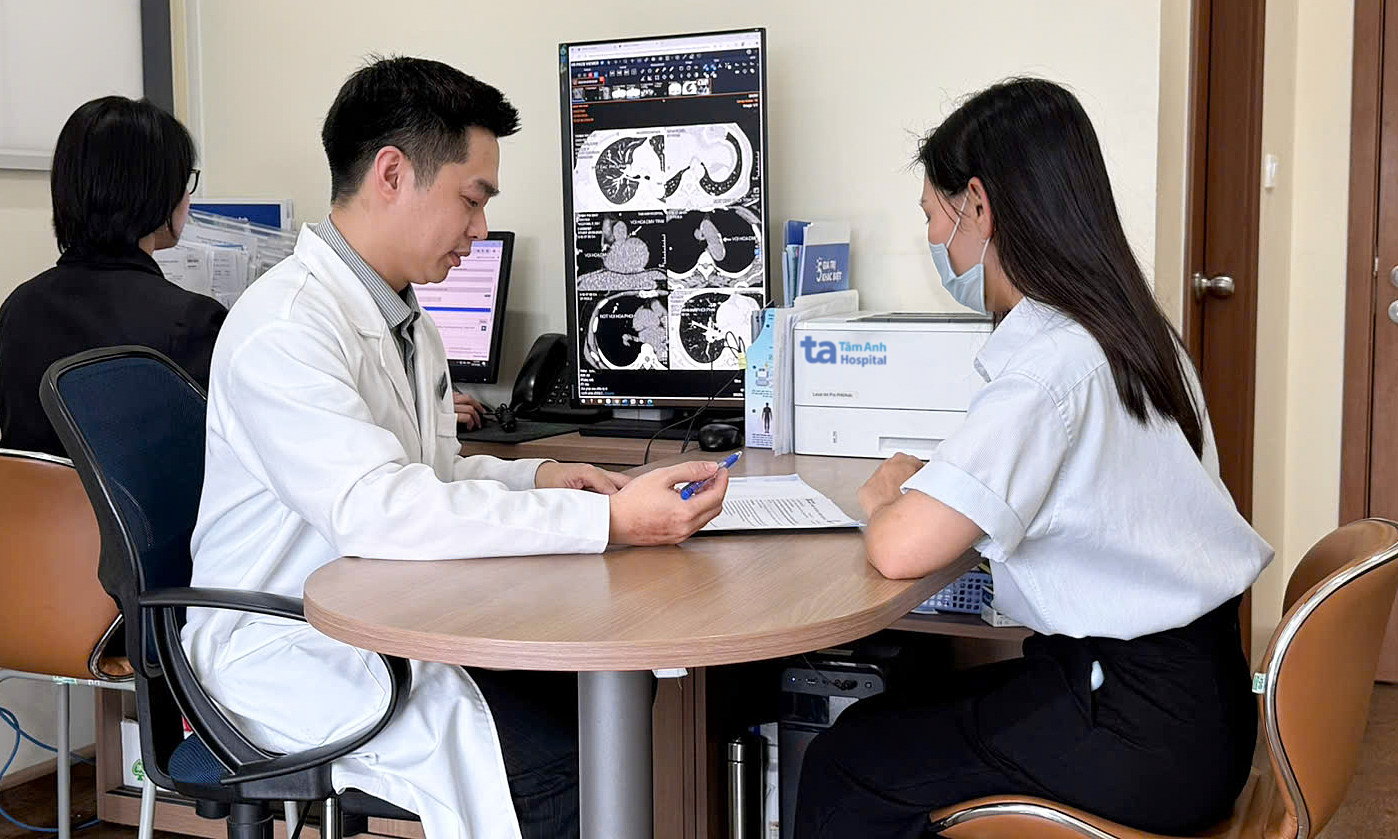
Central hospitals in Ho Chi Minh City are consistently crowded and overloaded. *Photo: Quynh Tran* |
Mr. Thuong emphasized that transforming medical centers into hospitals is more than a name change; it demands entirely new management and operational capabilities. Therefore, the healthcare sector is prioritizing the preparation of leadership teams before proceeding with further investment in facilities and equipment.
Following their establishment, these basic-level hospitals will continue to receive support from central hospitals in training, technology transfer, quality management, and digital transformation. The ultimate goal is to create a robust hospital network where residents can receive local treatment for most medical conditions, reducing travel time and helping to alleviate the burden on central hospitals.
Le Phuong