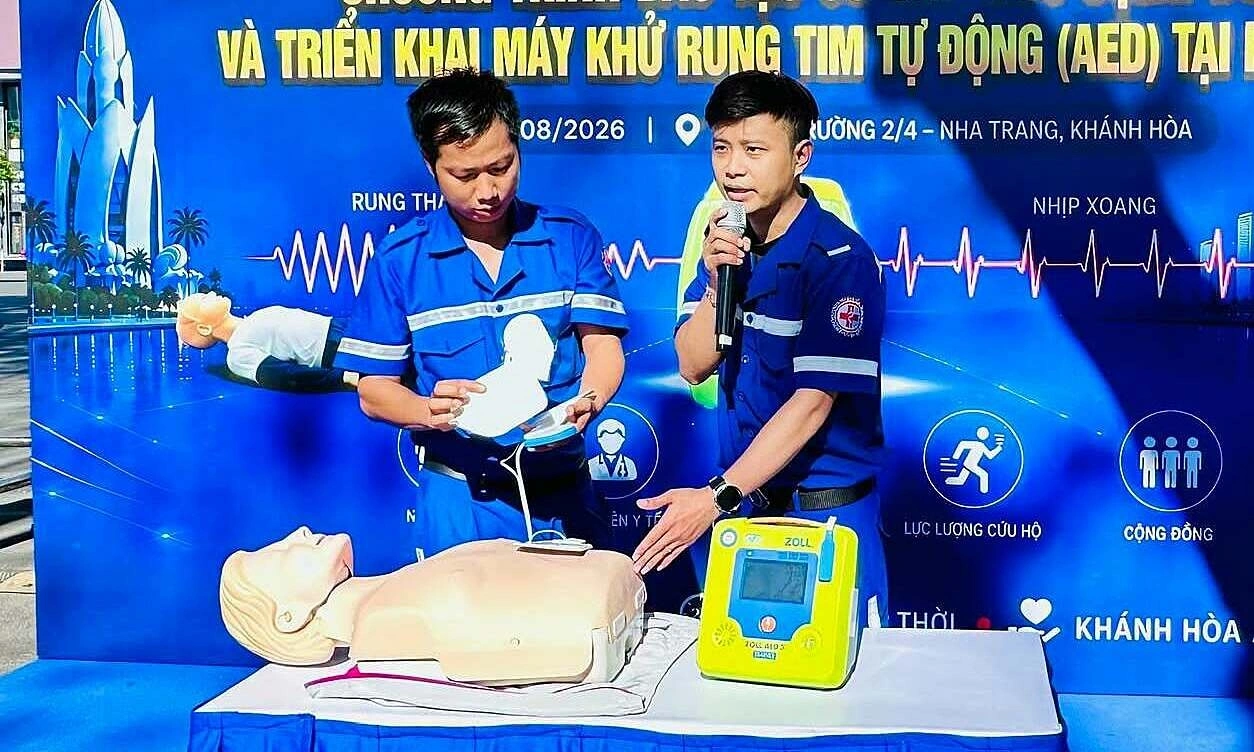
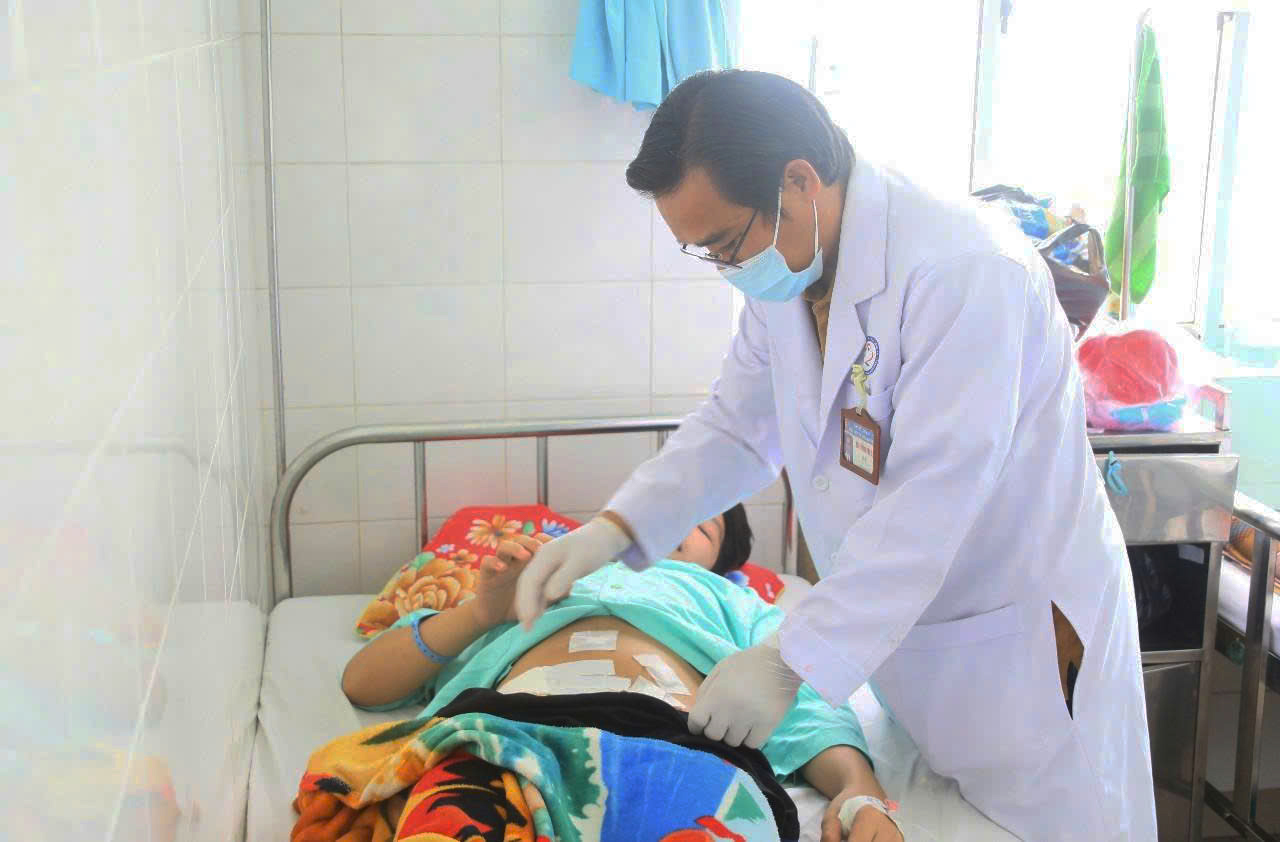
The final round of the second "Skilled Professionals, Strong Health Insurance" competition, held on 4/7 at Cu Chi Regional General Hospital, featured scenarios generated by artificial intelligence (AI). Unlike traditional theoretical exams, AI was used to create simulated scenarios of medical examination and treatment, integrating professional expertise, health insurance payments, and digital transformation. In each situation, the system intentionally embedded non-compliant details for participants to identify and resolve as in real-life situations.
According to the Ho Chi Minh City Department of Health, the "traps" created by AI were based on common practical issues, ranging from misunderstanding health insurance benefits to prescription errors or cost assessment processing. After each round, the judges directly analyzed and shared how to correctly apply regulations in practice.
For instance, a stroke patient was admitted during the "golden hour". Family members had not presented a health insurance card and were asked to make an advance payment, due to the belief that "out-of-network cases only receive partial benefits". The competing teams had to identify this as an error and propose the correct resolution, both professionally and according to insurance regulations.
The judges stated this is a common "error trap" related to health insurance awareness. In emergency cases, patients are still entitled to insurance benefits as stated on their card at any medical facility, regardless of their registered network. A patient not carrying their card is not a reason to delay emergency care or demand an advance payment, as information can be retrieved via personal identification numbers, chip-embedded citizen ID cards, or electronic identification applications. The emphasized message here is: "save lives first, procedures later."
Beyond handling health insurance regulations, teams had to identify stroke symptoms, activate alarms, determine onset time, and order CT scans during the "golden hour". Each team comprised doctors, nurses, pharmacists, accountants, and IT engineers from the same hospital, collaborating as a "miniature hospital" to handle everything from medical expertise to records and health insurance payment data.
Some situations revolved around prescribing morphine for cancer patients or how to proceed when the assessment system flagged high treatment costs for polytrauma cases.
"These are all common real-life situations, requiring medical staff to adhere to both professional standards and regulations to avoid affecting patient rights," a representative of the judging panel explained.
AI also posed questions about the benefits for individuals participating in health insurance for 5 consecutive years. Teams had to determine whether patients met the conditions for the insurance fund to cover 100% of medical examination and treatment costs, while also distinguishing between "100% benefit level" on the card and "100% of costs" when eligible for co-payment exemption.
 |
Health insurance processing area at a hospital in Ho Chi Minh City. *Quynh Tran* |
Speaking at the competition, Dr. Nguyen Van Vinh Chau, Deputy Director of the Ho Chi Minh City Department of Health, stated that as the healthcare sector promotes digital transformation, implements electronic health records, and integrates data, medical staff thoroughly understanding both professional expertise and health insurance regulations helps ensure patient rights and the efficient use of the Health Insurance Fund.
This year's competition attracted over 560 participants from 77 hospitals in the preliminary round. Cu Chi Regional General Hospital secured first prize, Gia Dinh People's Hospital won second prize, and Binh Duong General Hospital (team 2) took third prize.
Le Phuong