Health Minister Mark Butler announced the government has committed an additional 445 million Australian dollars over five years to expand free access to other vulnerable groups. Last year, the government included the respiratory syncytial virus (rsv) vaccine in its national immunization program for pregnant women and infants.
The vaccine, Arexvy, was tested in a clinical study across 17 countries, including Australia. This injection is 80-90% effective at preventing complications from rsv, with protective efficacy lasting up to three years.
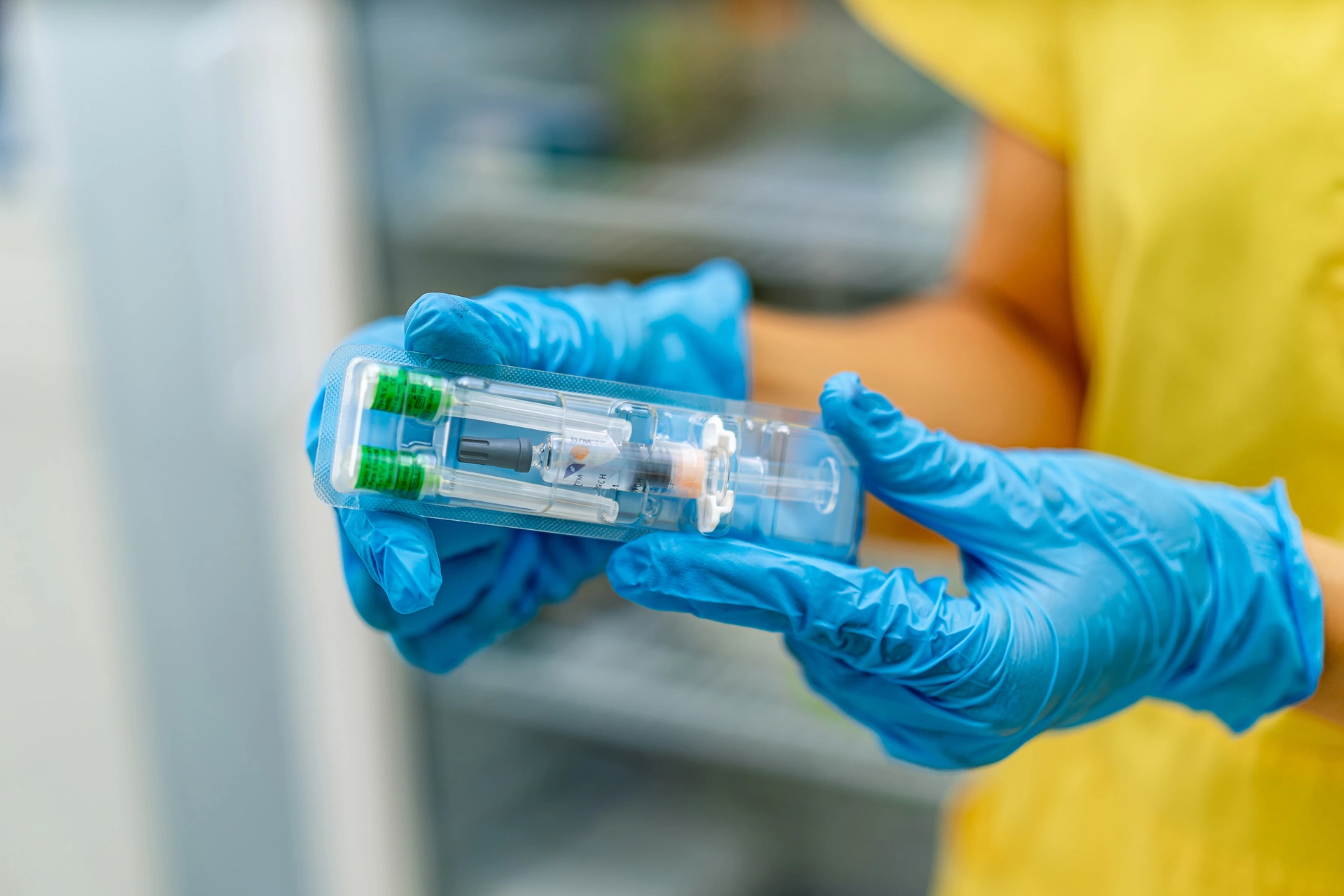 |
Illustration of a healthcare worker preparing a vaccine. Photo: Vecteezy |
Illustration of a healthcare worker preparing a vaccine. Photo: Vecteezy
Respiratory syncytial virus (rsv) is a common, highly contagious virus often mistaken for a cold or flu. For older adults, rsv can cause severe illness, potentially leading to death. Australia recorded a record number of rsv infections in 2025, with over 177,000 cases, including more than 40,000 among individuals over 60 years old.
Professor Lucy Morgan from Lung Foundation Australia highlighted that older adults and those with chronic conditions like asthma, heart failure, and diabetes face a higher risk of severe rsv. The elderly also frequently interact with young children, a group susceptible to rsv but typically experiencing milder symptoms.
Even without hospitalization, older adults with rsv can suffer for weeks, increasing their need for care and reducing their independence. The illness can severely limit their ability to participate in daily activities, such as caring for grandchildren or even self-care, necessitating family support. Therefore, Professor Morgan emphasized that protecting the elderly from severe viral respiratory diseases helps maintain community stability.
Van Ha (According to SBS News Australia)
elderly | adults | rsv | disease prevention | immunization | vaccine