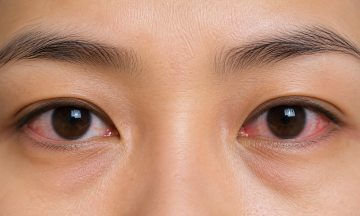
Under-eye bags are characterized by swelling or fat accumulation in the lower eyelids. This condition can arise from various factors, including skin aging, inflammation of periorbital tissues, lymphatic circulation disorders, or water retention. It is common, especially among older adults, and often affects one's appearance.
Master of Science, Doctor Nguyen Anh Duy Tung, a Nutrition - Dietetics Specialist at Tam Anh General Clinic District 7, states that in addition to medical interventions, a suitable diet can help reduce swelling, limit water retention, and slow down skin aging. Below are six foods people with under-eye bags should include in their daily diet:
Salmon
Salmon is rich in omega-3 fatty acids and astaxanthin, two compounds with potent anti-inflammatory properties. These nutrients support blood circulation, maintain skin moisture, and help soothe inflamed skin around the eyes. The high-quality protein in salmon also aids in regenerating connective tissue, improving the elasticity of the skin under the eyes.
Cucumber
Cucumbers, with their high water content and flavonoid antioxidants, help hydrate and mildly reduce eyelid swelling. They also contribute to increased collagen production, maintaining skin and blood vessel elasticity. Beyond dietary consumption, applying cucumber slices directly to the under-eye area for 10-15 minutes can provide a soothing sensation, stimulate temporary vasoconstriction, and reduce inflammation.
Kiwi
The vitamin C in kiwi supports collagen production, a crucial factor in maintaining the elasticity of the skin around the eyes. Additionally, vitamin C neutralizes free radicals that can damage connective tissue and capillaries. Including kiwi in your diet helps slow skin aging and reduces mild inflammation in the lower eyelids.
Green Tea
Green tea is rich in epigallocatechin gallate (EGCG), a powerful antioxidant that improves blood circulation and reduces eyelid swelling. The caffeine content in green tea acts as a mild diuretic, helping to eliminate excess water from the body and reducing factors contributing to under-eye bag formation.
Adults can drink a warm cup of green tea in the morning or early afternoon to support health and maintain alertness.
 |
Drinking green tea can help improve blood circulation and reduce eyelid swelling. *Photo: Bao Bao*
Oatmeal
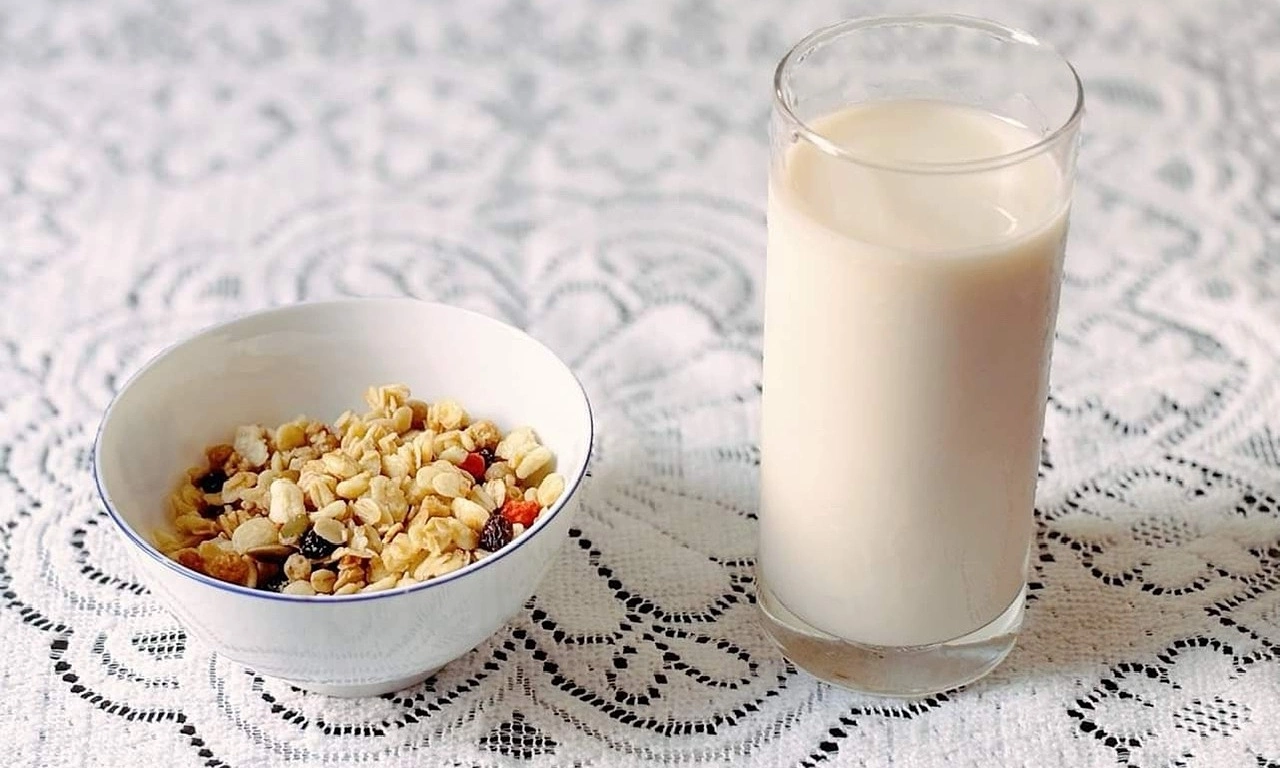
Oatmeal contains beta-glucan, a soluble fiber that stabilizes blood sugar, indirectly reducing inflammatory reactions that occur with elevated blood sugar, and supports digestion. The B vitamins and magnesium in oatmeal support energy metabolism and regulate inflammatory responses, making it beneficial for individuals who experience under-eye bags due to lack of sleep.
Celery
Celery acts as a natural diuretic due to its high potassium content, helping the kidneys eliminate excess water from tissues, especially in the lower eyelids where fluid easily accumulates and causes under-eye bags. The antioxidant compound apigenin in celery has mild anti-inflammatory properties, helping to reduce swelling. Eating celery or drinking celery juice daily boosts fiber and vitamins, promotes blood circulation, and contributes to preventing high blood pressure, atherosclerosis, and supporting hormone regulation.
Doctor Duy Tung notes that the effectiveness of reducing under-eye bags through diet often requires time and cannot replace specialized medical treatments. The response level can vary depending on an individual's constitution and the underlying cause of under-eye bags. Therefore, in addition to choosing appropriate foods, maintaining a healthy lifestyle plays an important role.
Individuals with under-eye bags should prioritize adequate sleep and elevate their pillow while sleeping to promote effective blood circulation, thereby reducing fluid stagnation around the eyelids. Gently massaging the area around the eyes can increase lymphatic drainage and reduce swelling. Limiting exposure to blue light from phones and computers also helps protect the eyes and improves sleep quality.
If under-eye bags persist despite lifestyle and dietary adjustments, or if they are accompanied by symptoms such as redness, itching, pain, blurred vision, or continuous tearing, it is essential to seek a medical examination for appropriate treatment.
Quoc An
| Readers can submit nutrition questions here for a doctor's response. |