Melanin is a pigment produced by melanocytes, which gives skin its color and protects against UV radiation. Uncontrolled proliferation of these cells can lead to melanoma. Doctor, Level I Specialist Ung Quoc Thuong from the Obstetrics and Gynecology Center at Tam Anh General Hospital Ho Chi Minh City, states that malignant vulvovaginal melanoma accounts for 1-3% of melanoma cases in women. The disease is often overlooked due to its atypical initial symptoms. Ms. Nuong's case involved a small lesion, initially thought to be inflammation, which then rapidly grew, bled, and darkened.
Ms. Nuong underwent a biopsy to confirm melanoma, followed by lymph node ultrasound, pelvic MRI, and chest and abdominal CT scans to stage the disease. Subsequently, the medical team will perform a wide excision of the tumor combined with a sentinel lymph node biopsy. If lymph node metastasis or a high risk of recurrence is present, obstetricians-gynecologists and oncologists will consider immunotherapy. For advanced or distantly metastasized disease, immune checkpoint inhibitors are necessary.
 |
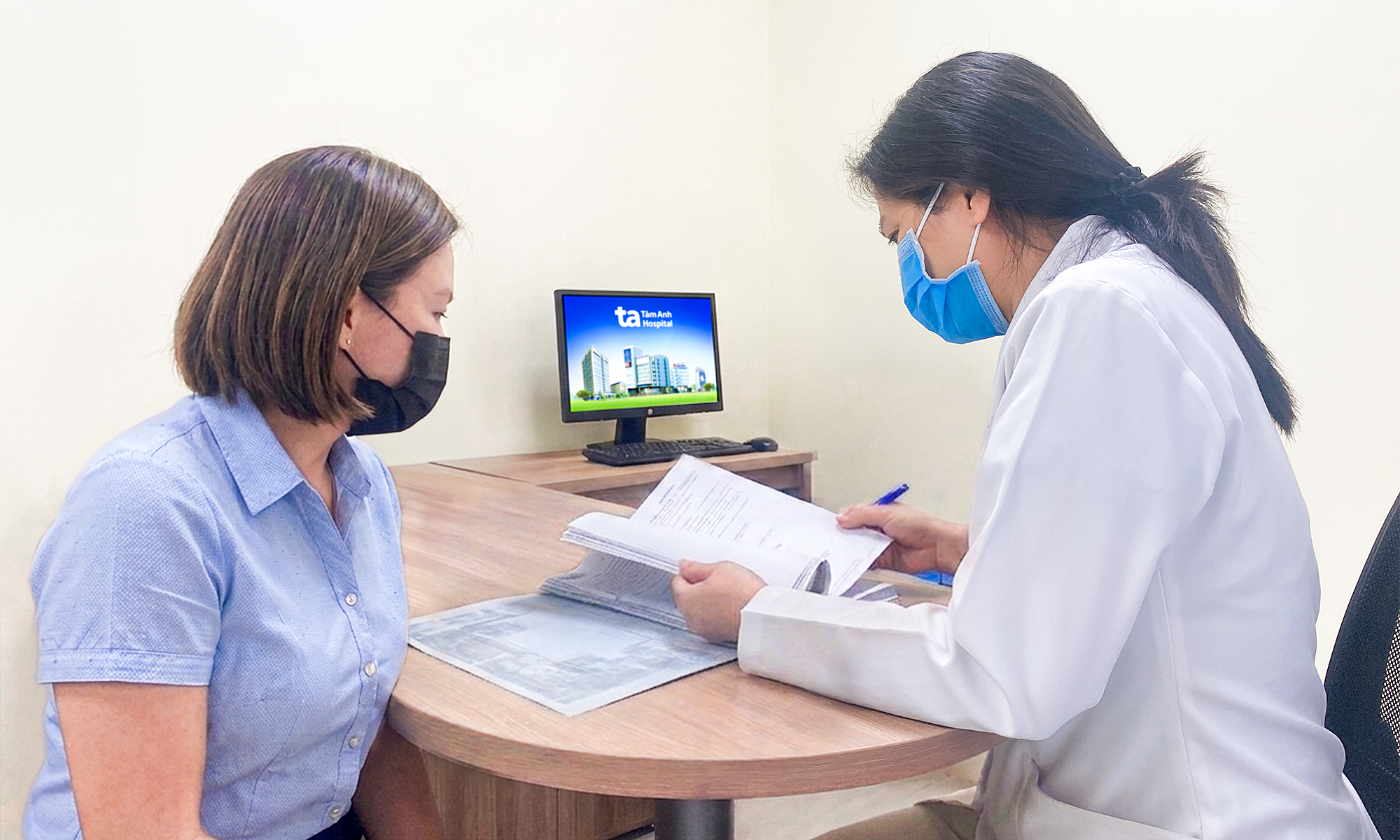
Doctor Thuong excises a lesion for biopsy from Ms. Nuong. Photo: Tam Anh General Hospital |
Doctor Thuong excises a lesion for biopsy from Ms. Nuong. Photo: Tam Anh General Hospital
Vulvar cancer includes various types such as squamous cell carcinoma, adenocarcinoma, basal cell carcinoma, malignant melanoma, and sarcoma. Among these, melanoma is rare, tends to progress rapidly, and has a poorer prognosis. The 5-year survival rate for vulvar melanoma is about 40-50%, significantly lower than the approximately 90% for cutaneous melanoma, according to Doctor Thuong.
Melanoma lesions in the vulvovaginal area can present in various colors, including black, blue, gray, pink, or white, sometimes resembling moles or abnormal growths. The exact cause of the disease remains unclear.
Doctor Thuong advises women to undergo regular gynecological examinations and seek immediate medical attention if they experience symptoms such as: abnormal vaginal bleeding, especially after menopause; vulvar masses or lesions; pigmented lesions changing in size or color; abnormal vaginal discharge; or difficulty urinating.
Tue Diem
*The patient's name has been changed
| Readers can submit questions about obstetrics and gynecology here for doctors to answer |