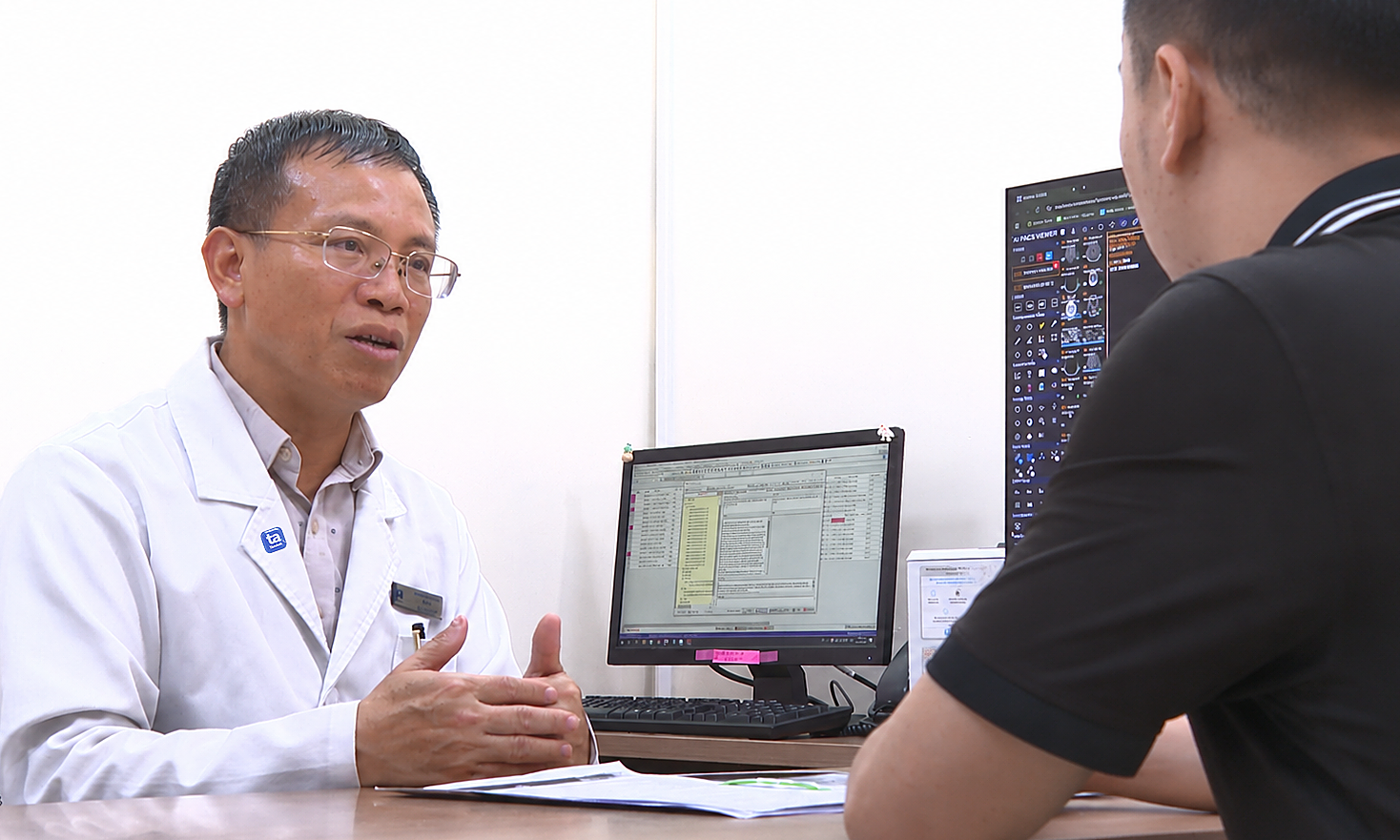
Dr. Nguyen Nhu Duy, a specialist at the ear, nose, and throat center, Tam Anh General Hospital Ho Chi Minh City, performed an endoscopic examination on An, revealing soft tissue injury and a fracture of the nasal bone.
Nasal bone fractures often result from falls, traffic accidents, sports injuries, or impacts to the face. Common symptoms include: nosebleeds, swelling, bruising, pain when touching the nose, nasal deformity, and difficulty breathing.
According to Dr. Duy, children's nasal bone structures are softer and more elastic than adults'. If the injury is minor and the bone is not significantly displaced, it may stabilize naturally after swelling subsides. Children in such cases only require monitoring, cold compresses, pain relief, and follow-up appointments. However, An suffered a fracture of the nasal bone, which could affect facial aesthetics and future breathing, necessitating early corrective intervention.
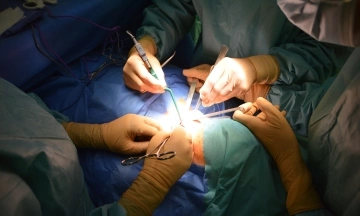
Doctors performed the procedure under general anesthesia to ensure safety and facilitate the intervention, as children often cry and are difficult to cooperate with. Through endoscopy, Dr. Nhu Duy used special instruments to elevate the nasal bone, correct the displacement, ensure the bone was straight, and finally, placed nasal packing inside the nose to limit displacement, bleeding, and swelling after surgery.
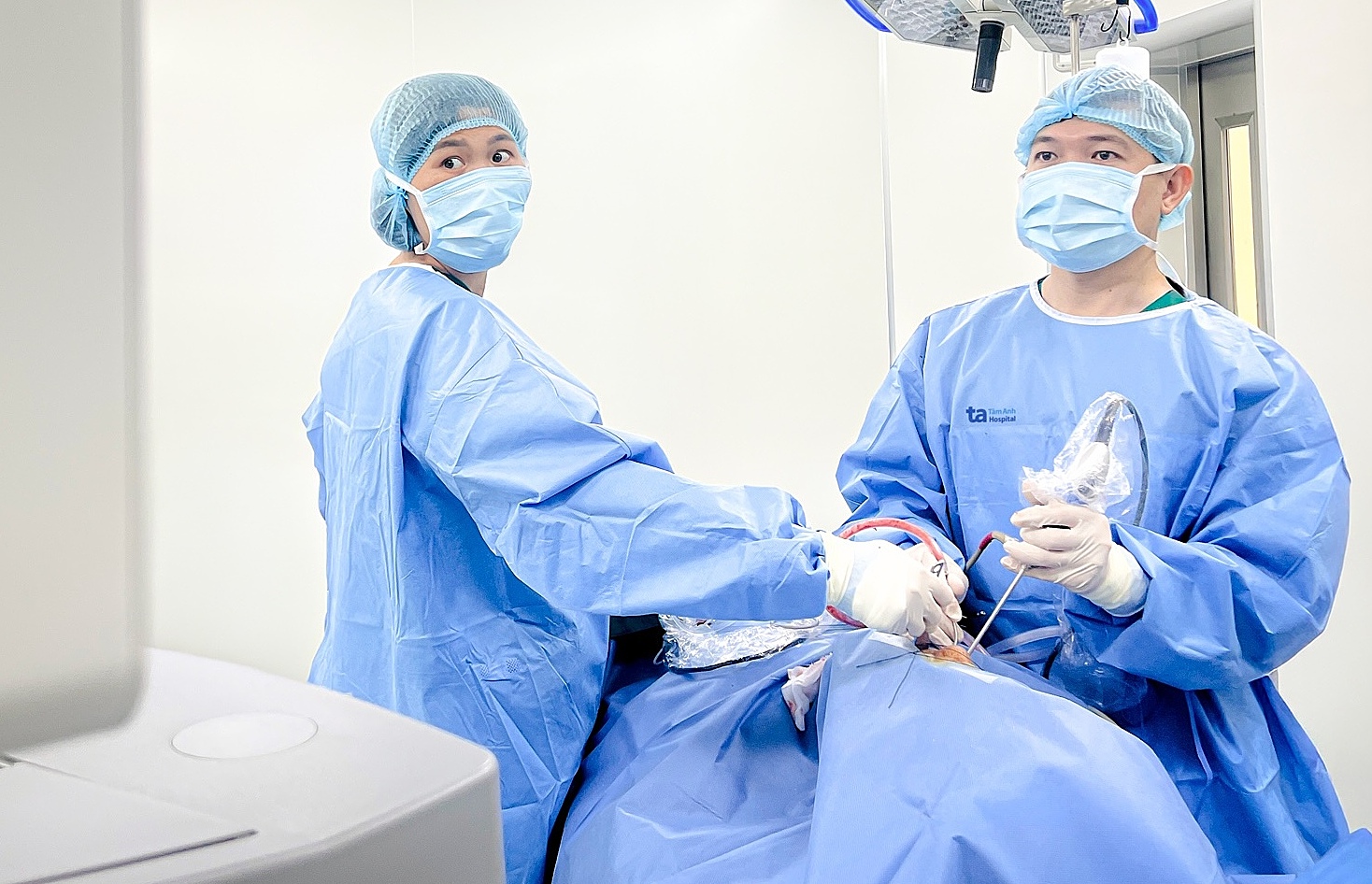 |
Dr. Nhu Duy performing nasal bone surgery on An. *Photo: Tam Anh General Hospital*
After 5 days, An had the nasal packing removed and recovered well, being discharged from the hospital. During a follow-up, the surgical wound had healed well, the patient's nose was symmetrical, and his airway was clear.
The nasal bone is one of the most easily fractured bones in the face. The two nasal bones, located next to each other, form the bridge of the nose and the nasal septum, supporting the upper and lower parts of the nose, which are made of cartilage, a thinner and more fragile material. A nasal bone fracture refers to the breaking of one or more bones that constitute the nose.
If a child shows abnormal signs after a fall or injury, such as: nosebleeds, swelling, bruising around the nose or eyes, pain when touching the nose, or difficulty breathing through the nose, parents should have the child sit upright, stop the bleeding correctly, and apply a cold compress to the nasal area to reduce swelling and pain. Afterwards, parents should take the child to an ear, nose, and throat specialist for assessment and timely treatment to prevent complications.
Uyen Trinh
| Readers can ask questions about ear, nose, and throat conditions here for doctors to answer. |