Contact dermatitis is a skin condition characterized by inflammation, redness, burning, and itching after exposure to irritants or allergens. It can affect people of all ages, especially those frequently exposed to strong chemicals, cosmetics, metals, or detergents.
In mild cases, contact dermatitis can resolve on its own if the patient stops exposure to the irritant or allergen and practices proper skin care. Symptoms such as redness, itching, and burning typically subside over several days to a few weeks. However, if the inflamed area spreads, oozes, or becomes infected, the condition is unlikely to resolve without intervention. Patients should seek medical attention to determine the severity of contact dermatitis and receive appropriate treatment, preventing scarring, hyperpigmentation, or other complications.
Patients with contact dermatitis generally recover in about 2-4 weeks after removing the causative allergen. However, healing time can range from a few days to several months, depending on the extent of the damage and individual constitution. Severe cases or those with secondary infections often require medical intervention, and treatment duration may be longer.
 |
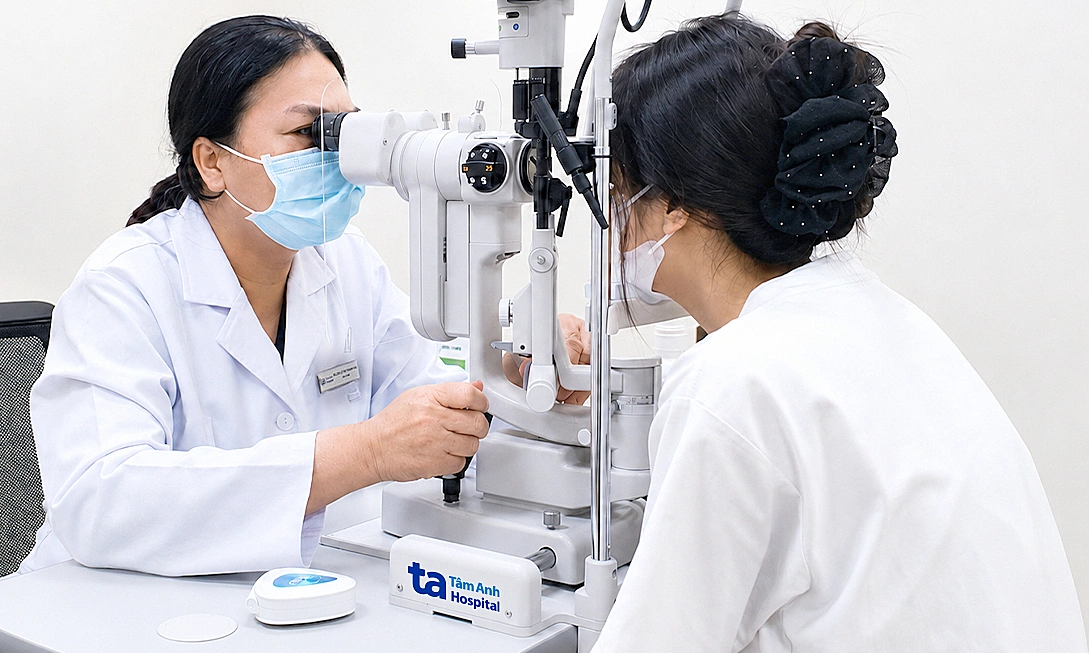
Doctor Thanh examining a patient's skin. Illustration: Tam Anh General Hospital |
Recovery time also depends on the type of contact dermatitis. In allergic contact dermatitis, an inflammatory reaction occurs due to an overactive immune system responding to allergens like cosmetics, metals (nickel, gold), topical medications, or pollen. If treated early with topical creams, antihistamines, and by avoiding re-exposure to the allergen, symptoms typically improve significantly within 7-14 days. However, if the damaged skin area is extensive or excessive scratching leads to a secondary infection, recovery might extend to 3-4 weeks and may require additional oral medication.
Irritant contact dermatitis, conversely, is not immune-related but results from direct skin damage by chemicals, cleaning solutions, or solvents. In mild cases, simply stopping contact with the damaging agent and applying appropriate care can lead to complete skin recovery in 3-7 days. However, repeated exposure or improper medication use can cause the condition to become chronic, leading to dry, flaky skin and prolonged itching for many weeks.
Therefore, there is no fixed timeline for all cases of contact dermatitis. Recovery time must be assessed based on the cause, extent of damage, and individual response to treatment.
Beyond the underlying cause, several other factors influence recovery speed. Mild cases often improve within days, while severe or recurrent cases can persist for weeks. The area and location of the damage also play a role. Delicate skin areas like the face, neck, or eyelids are more sensitive and may require longer recovery times compared to skin on the hands or feet.
The frequency of allergen exposure also significantly affects the treatment process. If a patient continues to be exposed to the allergen or irritant, the inflammation can persist, worsen, and become more difficult to control.
Furthermore, individual constitution and immune systems vary. Those with sensitive skin or underlying conditions like atopic dermatitis, diabetes, or immune deficiencies often recover slower. The ability to respond to topical and oral medications, along with appropriate skin care, also contributes to shortening treatment duration.
To aid skin recovery and minimize recurrence risk, patients should stop exposure to irritants or allergens to halt the inflammatory reaction. Cleanse the skin with a mild facial cleanser or gentle cleansing solution, avoiding products with strong detergents.
Maintaining a diet rich in green vegetables and fruits, staying well-hydrated, and limiting spicy foods and alcohol are also recommended. Avoid scratching or rubbing the affected skin to reduce the risk of secondary infection and minimize scarring or hyperpigmentation after the condition resolves.
Master of Science, Doctor Doan Minh Thanh
Dermatology Specialist
Tam Anh General Clinic, Cau Giay
| Readers can submit dermatology questions here for a doctor's answer. |