Diarrhea in children is not always dangerous, but if the condition recurs frequently, parents should not be complacent. This could indicate an underlying illness, a digestive disorder caused by factors such as: viruses, bacteria, parasites, or an imbalance in the gut microbiota.
Parents must closely monitor their child's condition. Seek immediate medical attention if the child exhibits: excessive thirst, dry lips, sunken eyes, reduced urination, lethargy, frequent diarrhea throughout the day, blood or mucus in the stool, prolonged high fever, severe abdominal pain, poor appetite or refusal to eat, or if diarrhea does not improve after 48 hours.
During an episode of acute diarrhea, preventing dehydration is crucial. Parents should administer oresol solution as directed after each bowel movement, offering it in small sips to make it easier for the child to drink. Maintain an age-appropriate diet, prioritizing soft, easily digestible foods like: porridge, soup, soft rice, meat, fish, eggs, and yogurt. Probiotics can also be beneficial in supporting the balance of the child's gut microbiota. If the child is breastfed, continue to do so more frequently than usual.
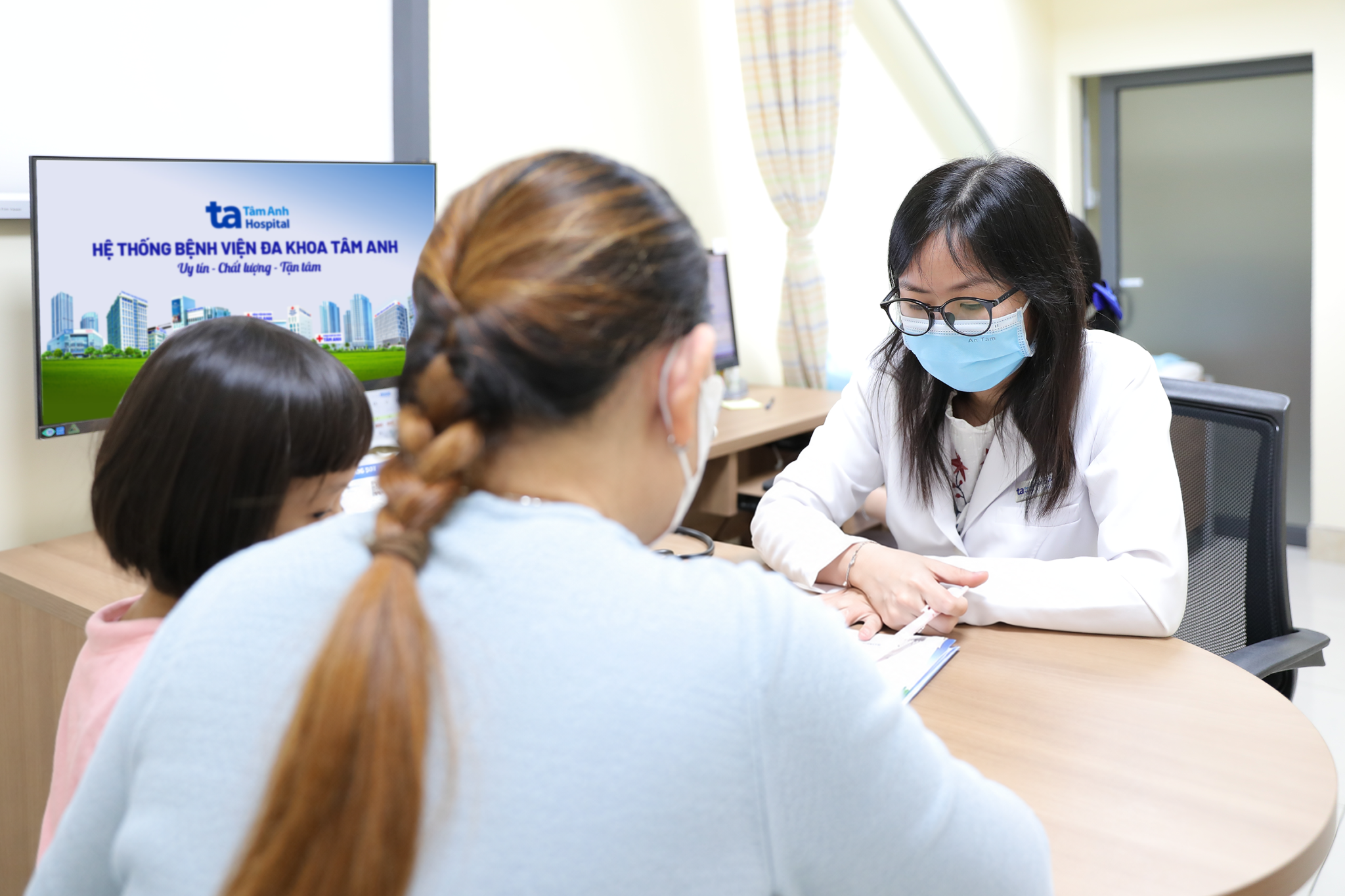 |
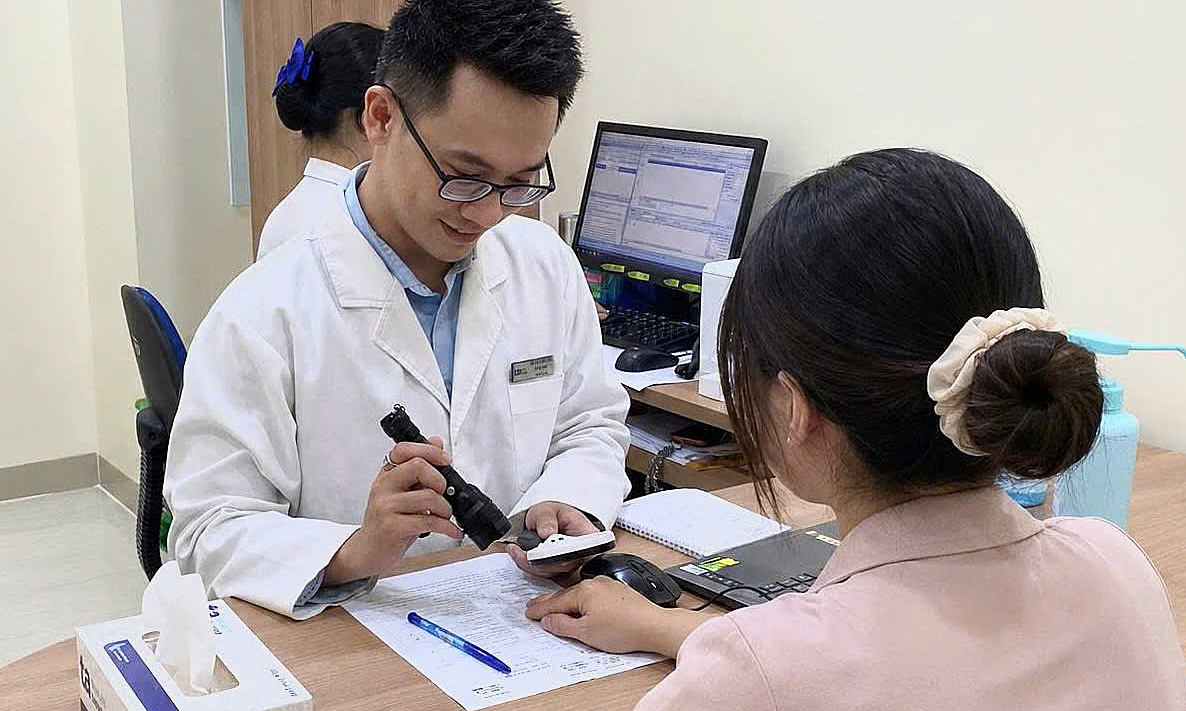
Dr. CKI Lam Boi Hy advises parents. Illustration photo: Tam Anh General Hospital. |
Regarding your child's recurrent diarrhea after discontinuing medication, it is essential to consult a pediatric specialist. A doctor can identify the root cause rather than merely treating symptoms with each episode. They may recommend stool tests, an assessment of nutrient absorption, or other digestive examinations if necessary, which will help establish an appropriate treatment plan and minimize recurrence.
Parents should never administer anti-diarrhea medication or antibiotics to children without a doctor's prescription. Misusing these drugs can mask symptoms, prolong the illness, or disrupt the delicate balance of the gut microbiota.
To reduce the risk of digestive disorders, parents should ensure food is cooked thoroughly and water is clean. Practicing good hygiene is also vital: wash hands with soap before preparing food, before eating, and after using the toilet. Regularly clean the child's toys and eating utensils. Furthermore, children should receive complete vaccination, especially the rotavirus vaccine during infancy, which significantly lowers the risk of severe acute diarrhea.
Dr. CKI Lam Boi Hy
Department of Pediatrics, Tam Anh General Hospital Ho Chi Minh City
| Readers can send questions about children's diseases here for a doctor's answer |