Lung cancer is an aggressive disease with a risk of recurrence after treatment. This occurs when cancer cells remain or have spread to other organs in the body before surgery. Over time, these malignant cells can grow large enough to be detected through imaging diagnostics.
Lung cancer recurrence typically falls into two main categories: local recurrence, where a tumor reappears at the surgical site or in nearby lymph nodes; and distant recurrence, where cancer cells metastasize to other organs such as bones, liver, brain, adrenal glands, or the remaining lung.
The risk of recurrence depends on several factors, with the disease stage being the most significant. Individuals diagnosed and treated in the early stages of cancer have a higher chance of disease control and a lower risk of recurrence.
Biological factors, such as the histological type or specific gene mutations, also influence the likelihood of lung cancer recurrence. Cases involving lymph nodes in the affected area or large tumors generally carry a higher risk of recurrence compared to smaller tumors completely localized within the lung parenchyma.
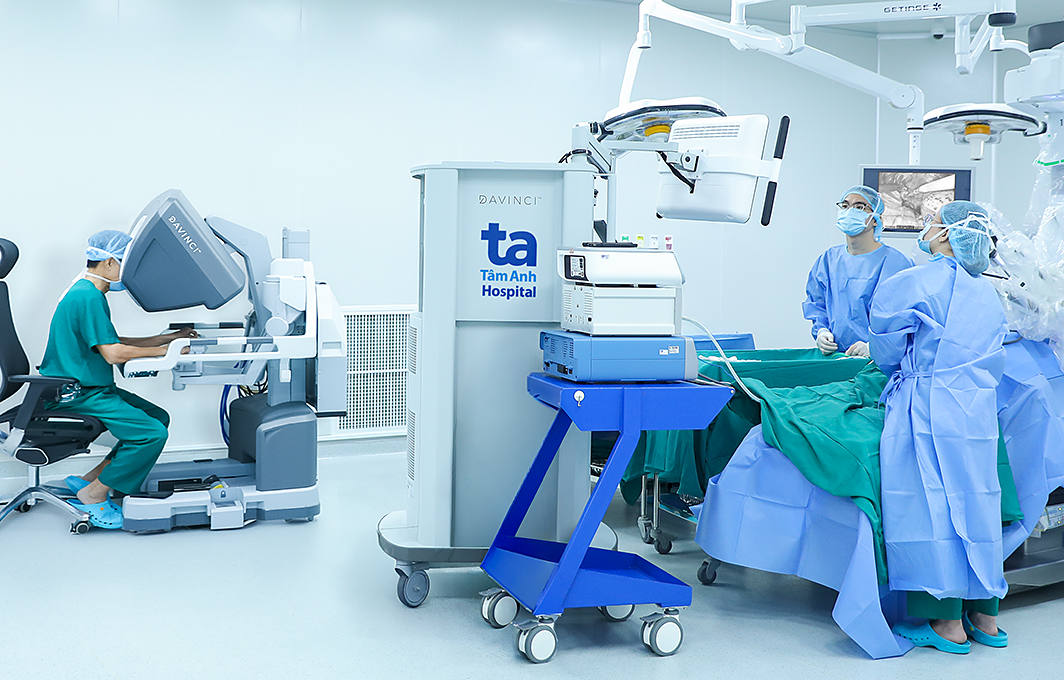 |
Associate Professor Vinh (left) operates the Da Vinci Xi robot for lung cancer surgery. Photo: Tam Anh General Hospital
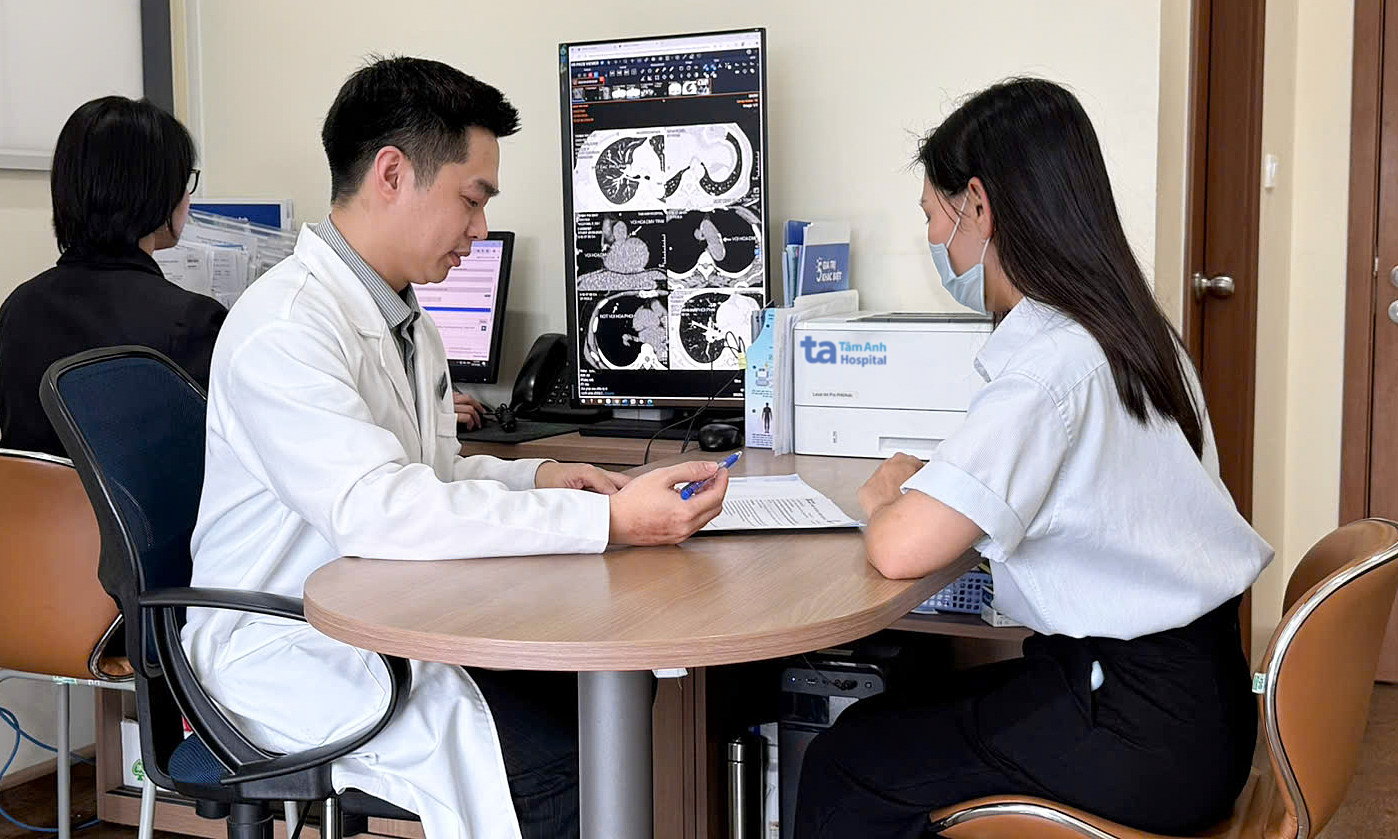
As you have a history of lung cancer, regular check-ups are crucial for early detection of recurrence signs. Typically, within the first two to three years after surgery, patients are advised to undergo computed tomography (CT) scans of the lungs, low-dose lung CT scans, or contrast-enhanced CT scans. These can help detect small abnormalities early at the surgical site, in healthy lung parenchyma, or in mediastinal lymph nodes.
If metastasis needs to be investigated, doctors may order magnetic resonance imaging (MRI) of the brain or whole-body positron emission tomography/computed tomography (PET/CT) scans. These advanced techniques can detect small metastatic lesions that might be missed by standard CT scans. After this initial period, the frequency of check-ups may be adjusted based on your specific condition.
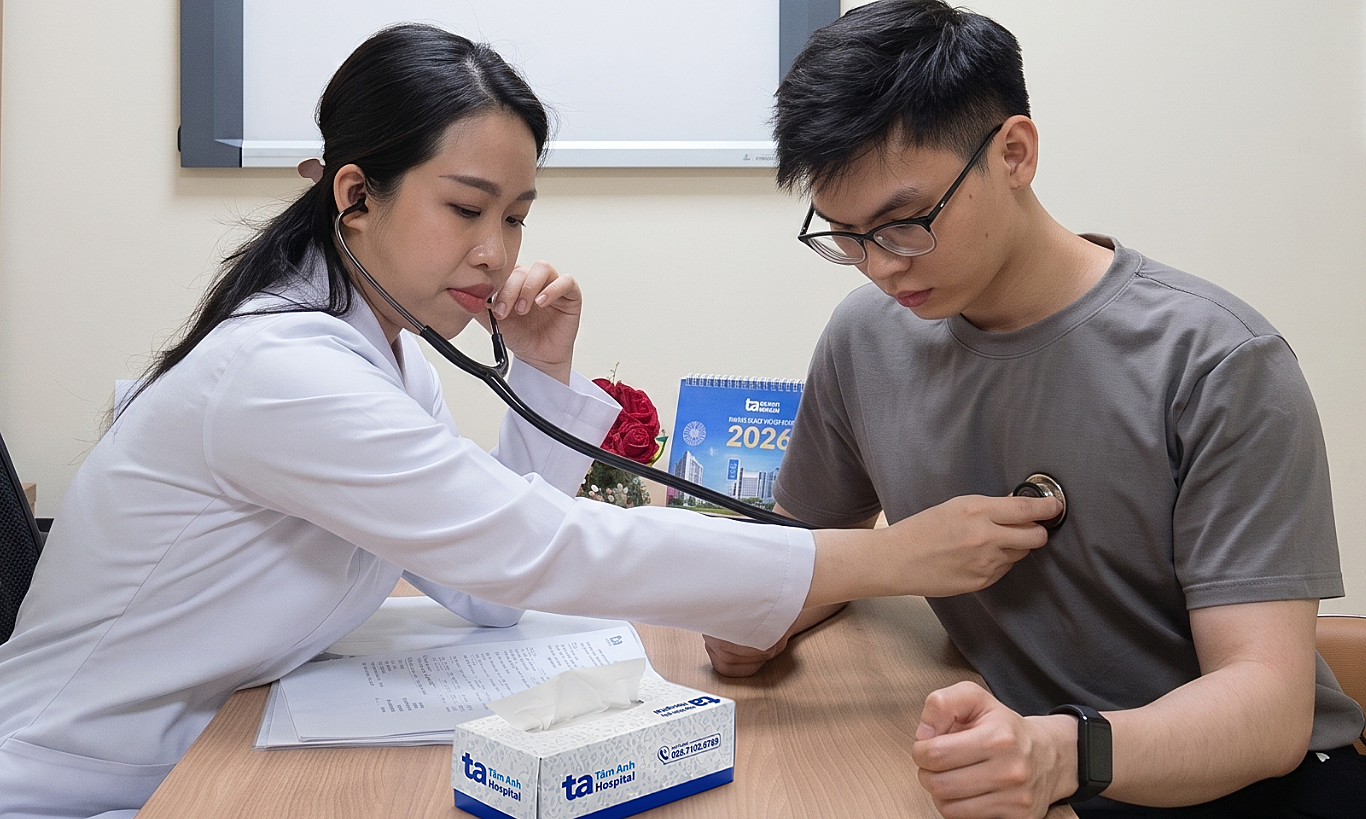
You should seek medical attention if any unusual symptoms appear after surgery, such as a persistent cough of unknown cause, coughing blood, ongoing chest or back pain, or shortness of breath during exertion. These could be warning signs of disease recurrence.
Recurrent lung cancer can be managed through various methods, including robotic-assisted thoracoscopic surgery, radiation therapy, targeted therapy, or immunotherapy.
In addition to regular check-ups, maintaining a healthy lifestyle is recommended. Avoid smoking and exposure to toxic environments, dust, and pollution to reduce strain on your lungs. A balanced diet combined with respiratory rehabilitation exercises can enhance your overall health and resistance, which is vital for continued treatment if the disease recurs.
Associate Professor Doctor Vu Huu Vinh
Director, Thoracic and Vascular Surgery Center
Tam Anh General Hospital Ho Chi Minh City