Response:
Free pleural effusion is a condition where fluid accumulates beyond normal levels in the pleural cavity. The fluid moves easily with the patient's posture, often settling at the base of the lungs due to gravity. This characteristic makes accurate patient positioning essential during clinical examination or imaging to avoid missed diagnoses.
Patients may experience shortness of breath, initially during exertion, which can worsen to include discomfort even at rest if the fluid volume is significant. Chest tightness is common, along with a dull ache or sharp pain when breathing deeply, coughing, or speaking extensively. Some may also have a dry cough or phlegm, fever, and chills. Many cases involve prolonged fatigue, poor appetite, and weight loss. Patients with chronic conditions such as heart failure, liver failure, kidney failure, or malnutrition may also develop leg swelling due to systemic fluid retention.
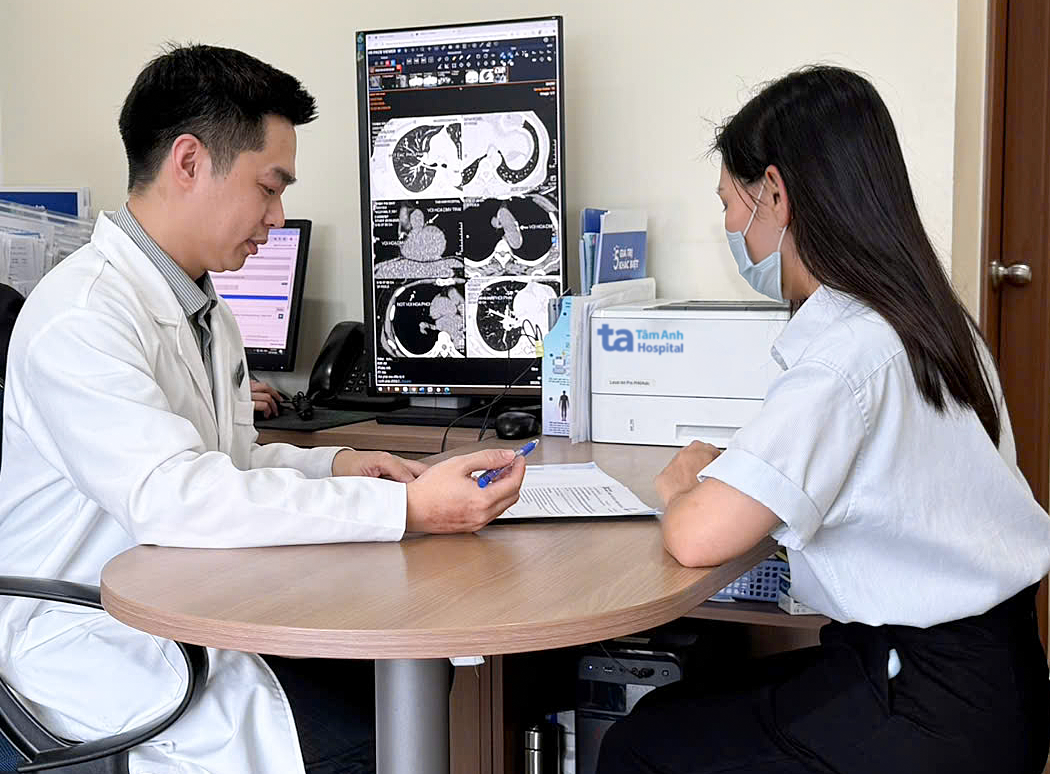 |
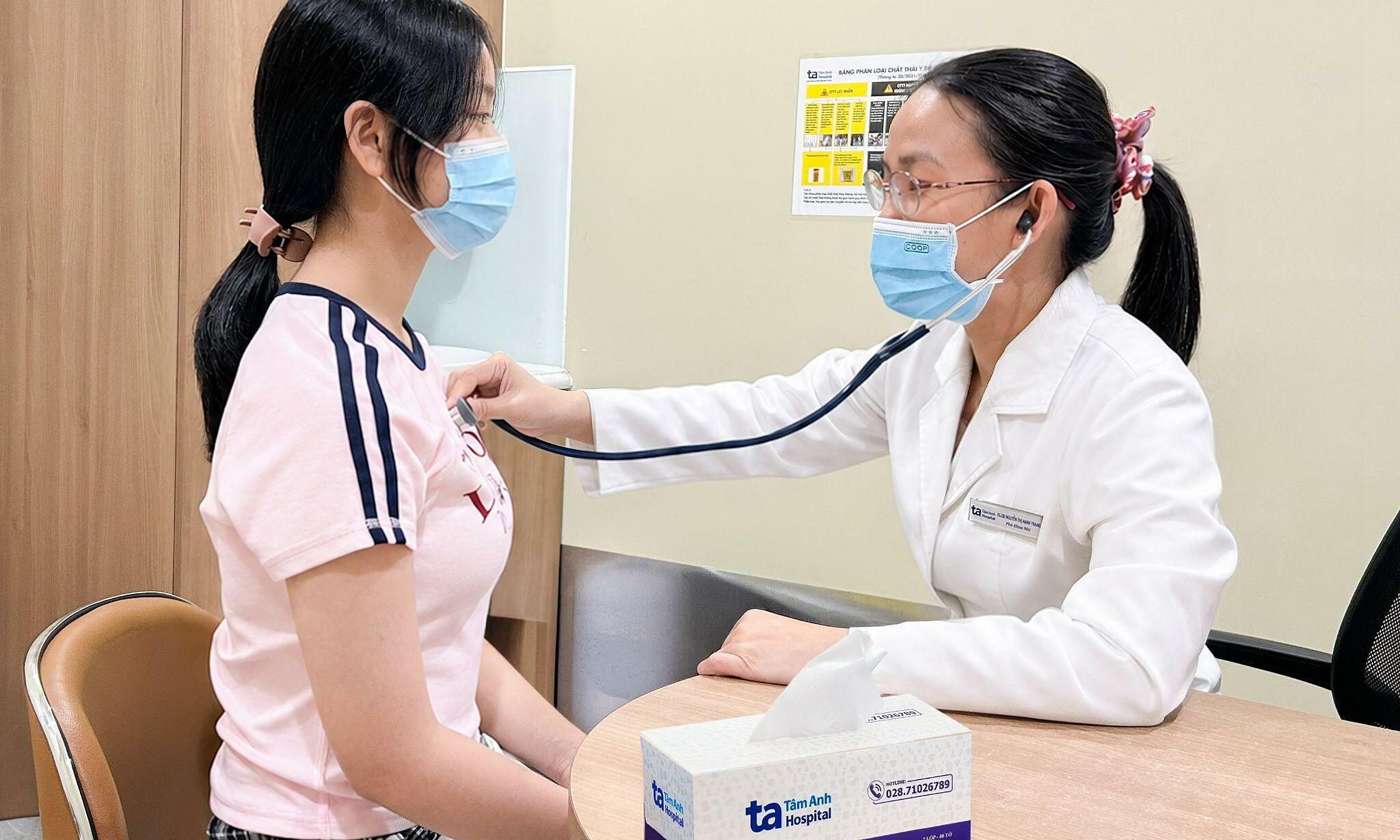
Doctor Dung examining a patient. Illustration: Tam Anh General Hospital
With early diagnosis and appropriate treatment, many patients can recover within a few weeks to several months, depending on the underlying cause of the effusion. However, if detected late or treated incorrectly, the condition can lead to severe complications such as lung collapse, pleural thickening and adhesion, empyema, loculated effusion, or even respiratory failure.
During treatment, risks like pneumothorax, infection, or bleeding in the pleural cavity can occur. These complications can worsen the condition and prolong recovery. Therefore, patients should seek monitoring and treatment at specialized facilities with full equipment to ensure timely intervention if complications arise.
Common treatment methods include: therapeutic thoracentesis to relieve pressure on the lungs and aid in identifying the cause; or pleural drainage for large effusions, hemothorax, or empyema by inserting a drainage tube connected to a vacuum system.
Depending on the cause, doctors may prescribe antibiotics for infections, anti-tuberculosis drugs for tuberculosis patients, or a combination of chemotherapy, radiation therapy, and chemical pleurodesis for cancer cases. Some complex cases require surgical intervention such as video-assisted thoracoscopic surgery (VATS) or robot-assisted surgery to debride and clean the fluid collection, or emergency thoracotomy if there is a risk of acute respiratory failure.
Free pleural effusion is not an incurable disease, but it can be dangerous if patients are complacent or attempt self-treatment. Adhering to the treatment regimen and attending regular follow-up appointments to monitor fluid volume and lung condition are crucial for recovery.
Patients should get adequate rest, maintain a nutritious diet, practice deep breathing exercises, and engage in light physical activity to improve respiratory function. If symptoms like shortness of breath, chest tightness, persistent dry cough, or unusual fatigue occur, patients should seek immediate examination and treatment at a specialized respiratory medical facility to prevent severe complications.
Master, Doctor Nguyen Thac Dung
Department of Respiratory Medicine
Tam Anh General Hospital Hanoi
| Readers can submit questions about respiratory diseases here for a doctor's response |