Many football fans experience intense sensations, often described as their heart "stopping", during exciting matches. This common feeling, however, is typically a normal physiological response to strong emotions, not a medical emergency, according to Dr. Doan Vinh Binh from Tam Anh General Hospital, TP HCM.
When watching football, particularly during crucial moments like free kicks or injury time, individuals often feel significant tension. While this sensation is commonly referred to in everyday language as feeling like one's heart "stops", medically, "cardiac arrest" is a severe condition where the heart ceases to function, requiring urgent intervention.
During a dramatic football match, the brain processes signals of anticipation, tension, or intense excitement. This activates the sympathetic nervous system, prompting the adrenal glands to release adrenaline into the bloodstream. Adrenaline then elevates blood pressure, accelerates heart rate, and constricts blood vessels, preparing the body to respond to stressful situations. This physiological response explains why many individuals distinctly feel their heart beating faster and more forcefully during critical moments of a football game.
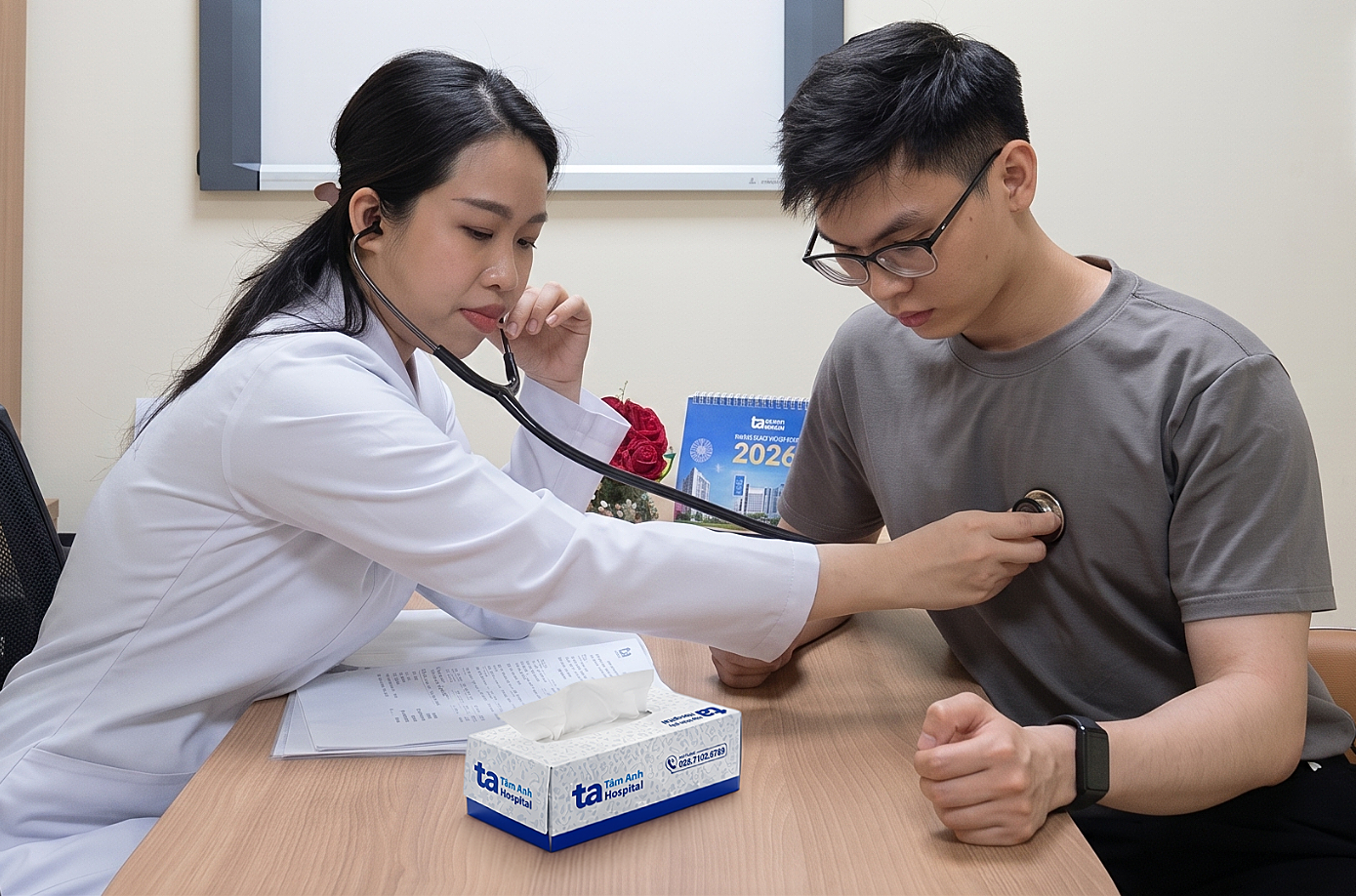 |
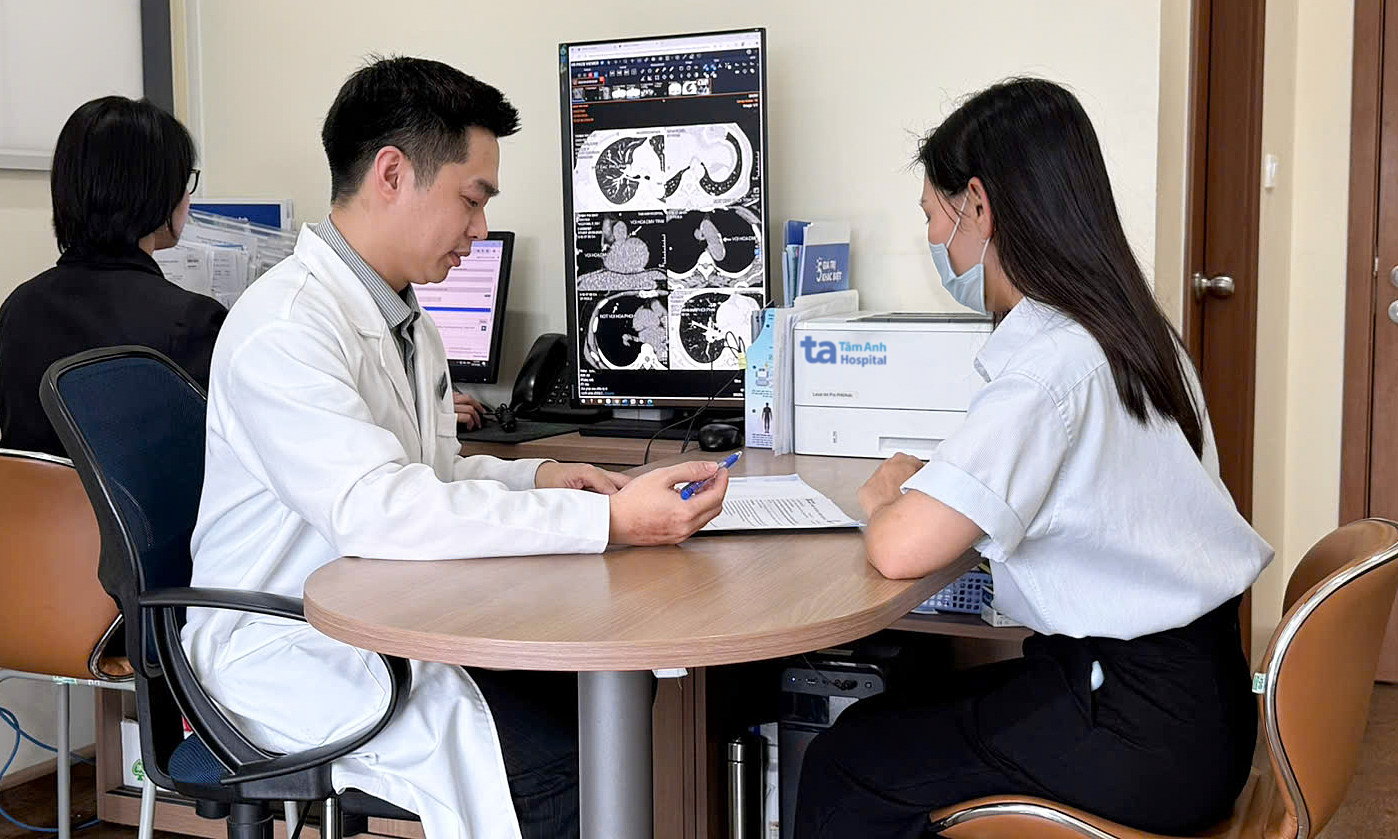
A doctor at Tam Anh General Hospital is checking a patient's heart rate. *Photo: Provided by the hospital.* |
For healthy adults, a resting heart rate typically ranges from 60 to 100 beats per minute, most commonly 60 to 80 beats per minute. During moments of anxiety or excitement, heart rate can increase to approximately 100 to 120 beats per minute, and even higher for some individuals. Concurrently, blood pressure may also experience a temporary elevation, occasionally surpassing normal levels (above 120/80 mmHg) during peak tension.
For most healthy individuals, these physiological responses are harmless and typically normalize as emotions subside. However, in those with hypertension, coronary artery disease, or other cardiovascular conditions, these fluctuations can intensify symptoms such as palpitations, chest pain, or shortness of breath.
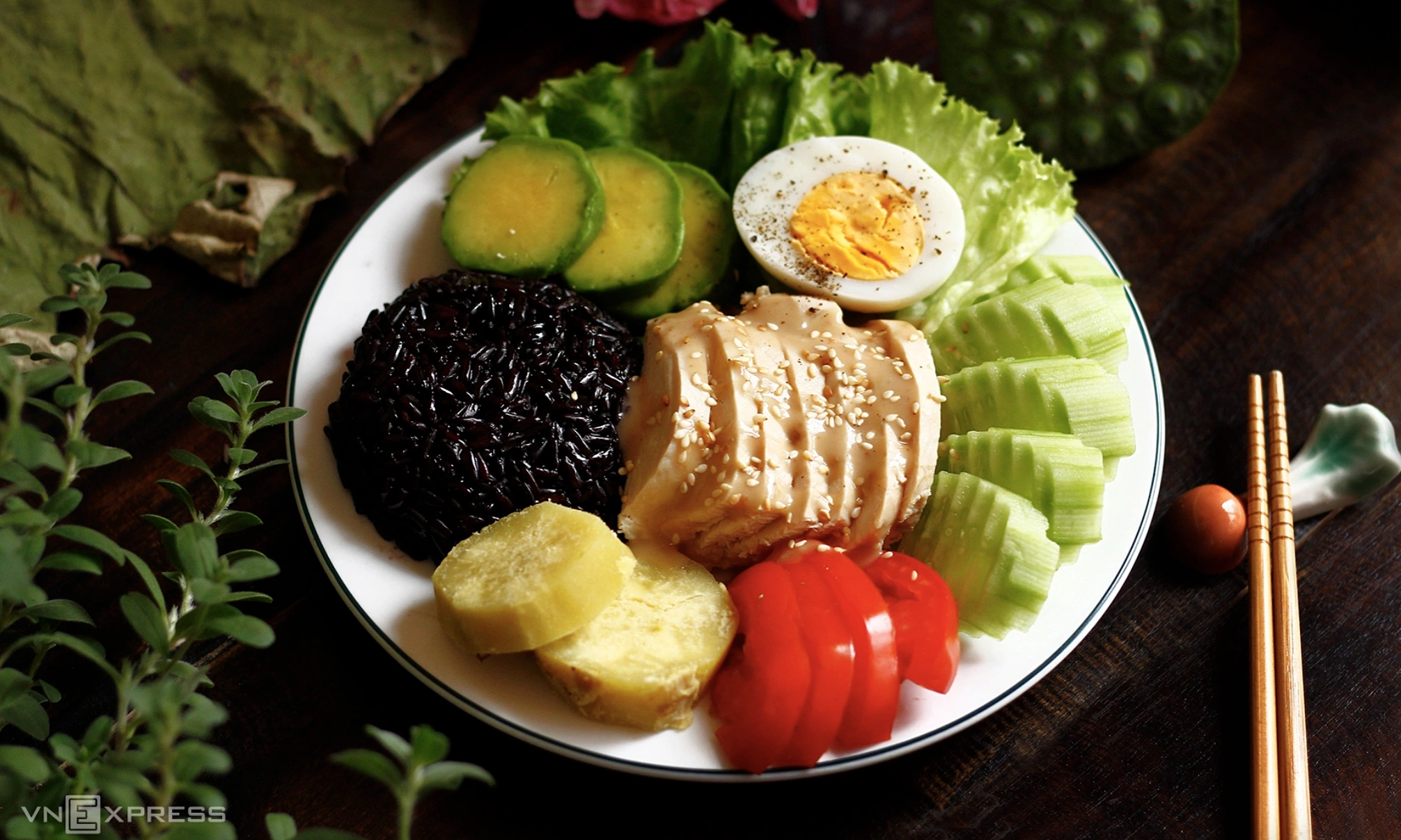
If a rapid heart rate is prolonged, recurs frequently, or is accompanied by chest pain, shortness of breath, or dizziness, a cardiovascular examination is recommended. In daily life, individuals should limit alcohol and strong coffee, ensure adequate sleep, and maintain emotional stability while watching matches. A diet rich in green vegetables, fatty fish, and foods high in potassium and magnesium is beneficial for cardiovascular support. Regular supplementation with natural extracts like GDL-5 (Policosanol) from South American sugarcane pollen can assist in managing hypertension and potentially lower the risk of cardiovascular diseases.
Dr. Doan Vinh Binh, Medical Information Center, Tam Anh General Hospital, TP HCM
| Readers can submit questions about cardiovascular disease here for a doctor's response. |