Nutrition plays a vital role in maintaining the physical condition, increasing treatment tolerance, and preventing complications in cancer patients.
According to Doctor Kim Thi Be Diep from the Radiation Oncology Department, Oncology Center, Tam Anh General Hospital, Ho Chi Minh City, changes in lifestyle and eating habits during holidays like Lunar New Year often lead to overconsumption of hard-to-digest, salty, and sugary foods. This increases the risk of digestive disorders and infections. To protect their health and avoid fatigue, cancer patients should limit the following dishes.
Glutinous rice dishes
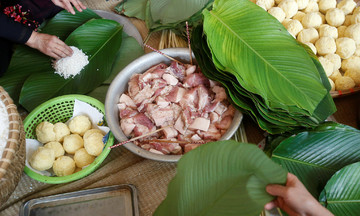
Banh chung and banh tet are traditional dishes during the Lunar New Year holiday. The main ingredient, glutinous rice, has a sticky texture and high amylopectin content, which makes it difficult to digest and can cause bloating. Patients should consume only a small amount, about 1/8 of a cake. Avoid eating these dishes in the evening to prevent discomfort. Opt for boiled banh chung and avoid frying or adding sugar, which can put additional strain on the digestive system.
 |
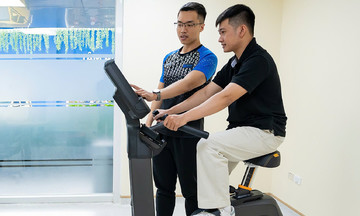
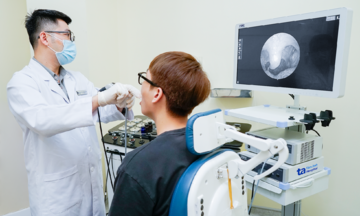
Doctor Diep examines a patient. Photo: _Tam Anh General Hospital_ |
Processed and pickled foods
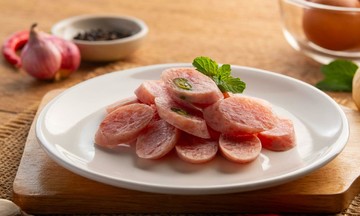
Processed foods such as lap xuong (Chinese sausage) and cold cuts, along with pickled items like cu kieu (pickled shallots) and cu cai ngam (pickled radishes), contain high levels of salt. Products from unknown sources may also contain preservatives and additives to maintain color and flavor. Excessive consumption of these foods can strain the kidneys and cardiovascular system. For cancer patients experiencing edema or ascites, a high-salt diet can promote water retention and worsen their symptoms.
Cakes, candies, and soft drinks
Holiday cakes and preserves contain significant amounts of refined sugar, providing empty calories that cause sudden blood sugar spikes. While they may create a feeling of fullness, they lack nutritional value and can negatively affect the liver. During the Lunar New Year, cancer patients should choose healthy snacks such as nuts, fruits, and unsweetened yogurt to provide vitamins, healthy fatty acids, and nutrients to the body, helping to reduce inflammation.
Alcohol
Most alcohol is metabolized in the liver. Heavy drinking overworks this organ, leading to overload. Alcohol also interacts with many targeted therapies and pain relievers, reducing treatment effectiveness or increasing toxicity.
Cancer patients, especially those undergoing chemotherapy, often have weakened immune systems, making them susceptible to infections. Doctor Diep advises patients to eat congee, soup, and rice to support better digestive function. Prioritize fresh, thoroughly prepared foods. Dividing meals into smaller portions throughout the day helps the body absorb nutrients more efficiently and reduces feelings of anorexia and nausea. Patients should drink about 1.5-2 liters of water daily to help the body eliminate toxins.
Duc An
| Readers can ask questions about cancer here for doctors to answer |