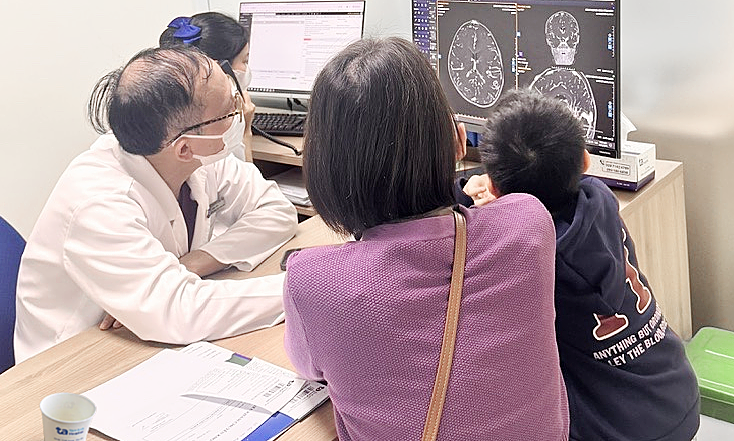
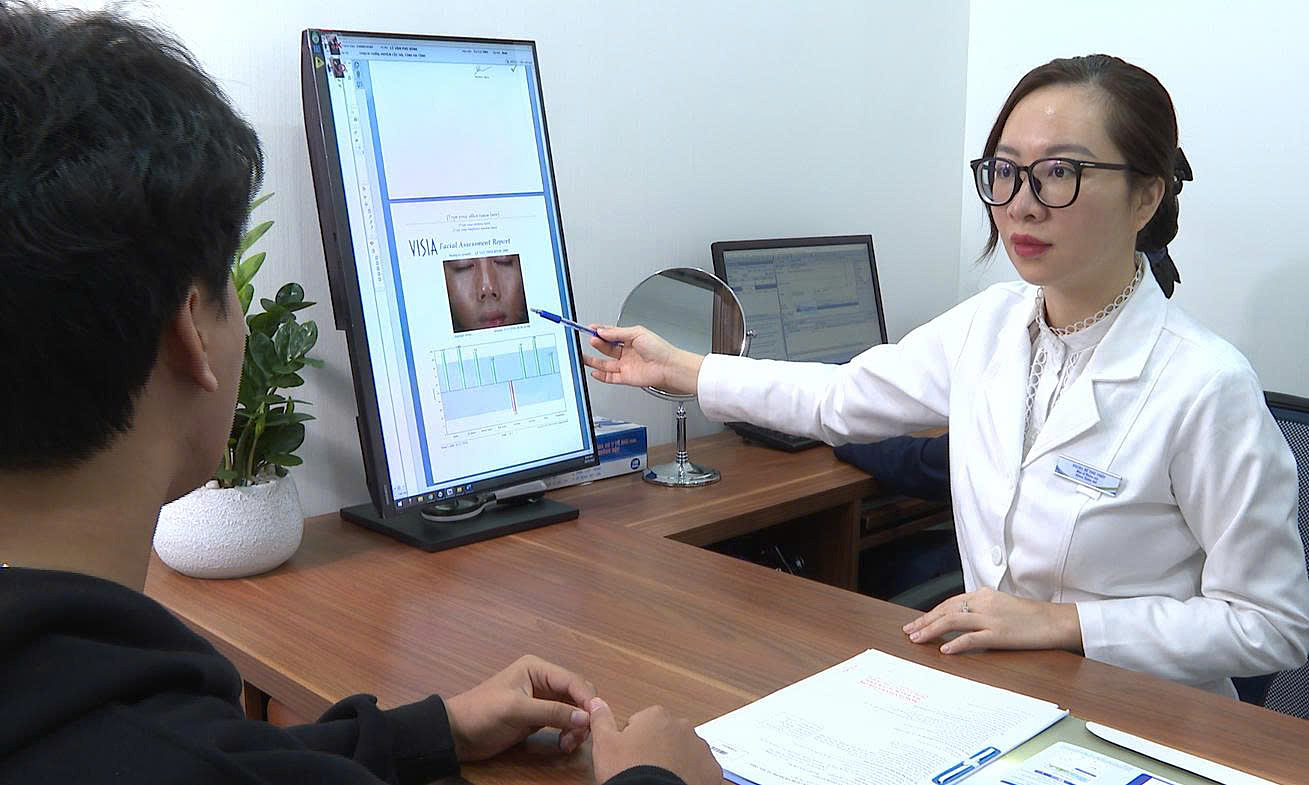
Avascular necrosis of the femoral head is a condition caused by a lack of blood supply, leading to bone and cartilage necrosis. Causes include trauma, excessive alcohol consumption, and chronic diseases such as diabetes and dyslipidemia.
Dr. Nguyen Van On, a first-degree specialist from the Orthopedic Trauma Center at Tam Anh General Hospital TP HCM, stated that while the condition traditionally affected men over 40, it is increasingly seen in younger patients, some under 30. Early detection and timely treatment are crucial, as avascular necrosis of the femoral head can lead to numerous complications.
Femoral head collapse is a severe complication. As bone and cartilage undergo necrosis, the dead bone gradually loses its weight-bearing capacity, leading to subchondral fractures, collapse of the femoral head, and joint deformity.
Secondary hip osteoarthritis develops not due to aging, but from the necrotic process destroying articular cartilage, resulting in loss of hip joint function.
Restricted or lost mobility is another significant complication. Severe pain makes movement difficult, preventing patients from performing daily activities such as squatting, rotating their legs, abducting their legs, or getting into a vehicle. Over time, the hip joint loses its motor function, forcing patients to limp or lose the ability to walk entirely.
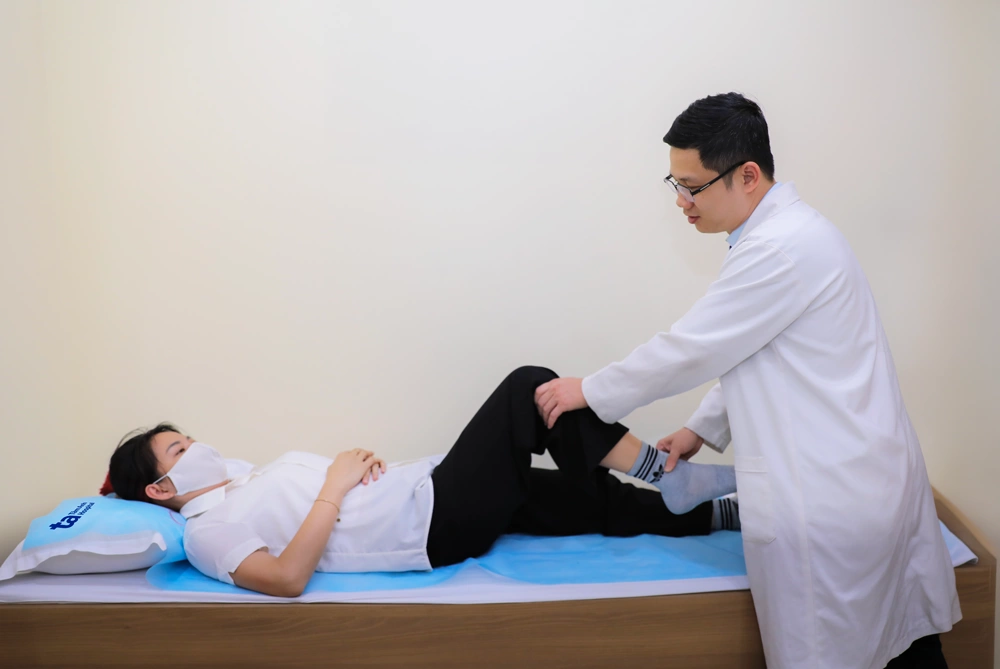 |
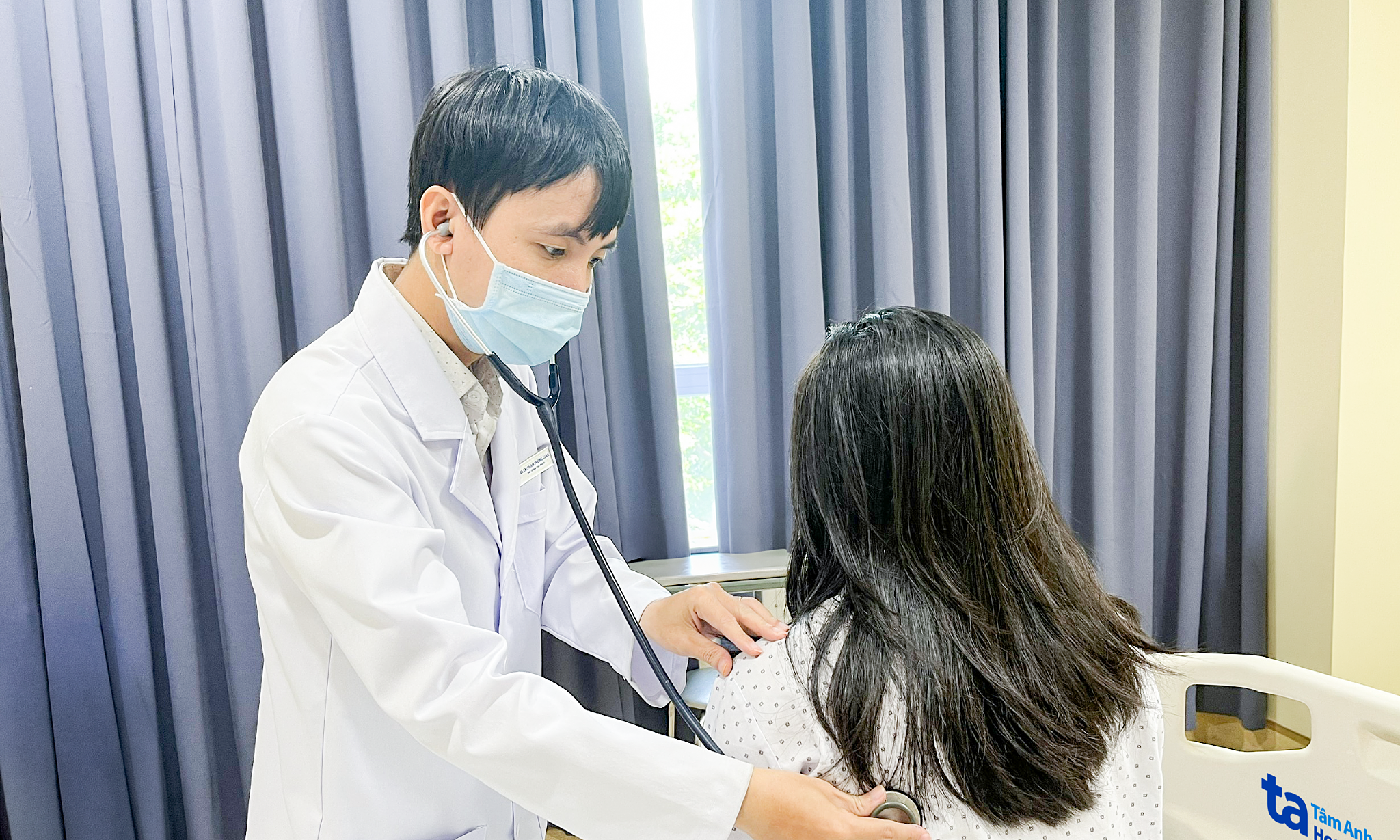
Doctor On examines a patient's hip joint function. Photo: Tam Anh General Hospital |
According to Dr. On, in the mild to moderate stages, avascular necrosis of the femoral head can be managed with medical treatment, including medication, physical therapy, or biological injections to reduce pain and slow disease progression. However, early detection is challenging because initial symptoms are often vague. If caused by trauma, necrosis typically appears much later, often around 2 years post-injury.
When the disease progresses to a severe stage, surgical intervention may be indicated, depending on clinical symptoms and the extent of damage visible on X-rays and MRIs. Surgical options include core decompression of the femoral head to remove a portion of the bone's core, stimulating healthy bone growth and new blood vessels. Other procedures, such as vascularized fibular grafting or corrective osteotomy, help reduce stress on the damaged bone, thereby lowering the risk of needing a total joint replacement.
For patients experiencing severe pain, a collapsed femoral head, and advanced acetabular degeneration, doctors may recommend total hip replacement as the final treatment option. To ensure the artificial hip joint is well-suited to the patient's body and restores mobility, specialized software like TraumaCAD or MediCAD is used pre-operatively to determine the appropriate size and orientation of the prosthetic hip.
Minimally invasive surgical techniques, such as DAA, SuperPATH, and ABMS, minimize damage to tendons and muscles, ensure stable joint fixation, and prevent dislocation while maintaining a flexible range of motion. Typically, patients can walk on the first day after surgery and are discharged approximately one to two days later.
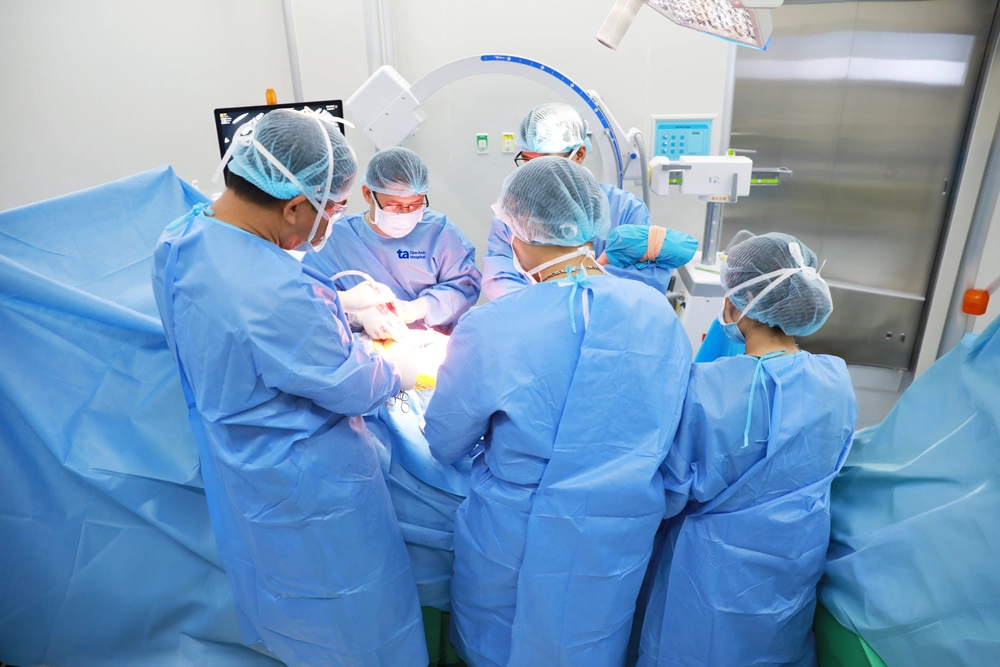 |
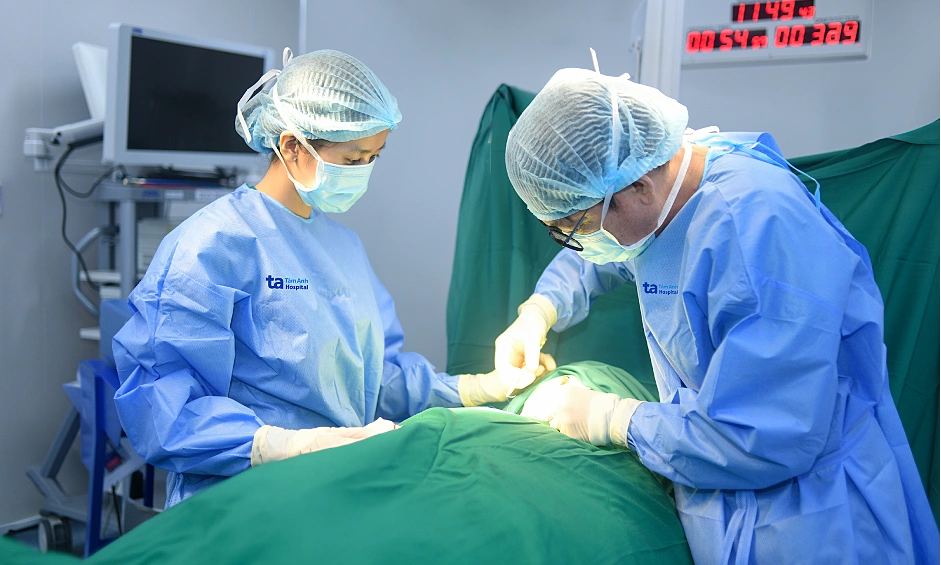
Doctor On (second from left) during a hip replacement surgery. Photo: Tam Anh General Hospital |
To facilitate early detection and prevent avascular necrosis of the femoral head and its complications, Dr. On advises patients to: severely limit alcohol consumption, quit smoking, maintain a nutritious diet rich in vegetables and fruits, and restrict fats. It is also crucial to manage internal medicine indicators like blood pressure, blood lipids, and blood sugar, and to avoid abusing corticosteroid medications. Patients diagnosed with the condition must adhere to their doctor's instructions and attend regular check-ups or seek immediate medical attention if any abnormalities are detected.
Phi Hong