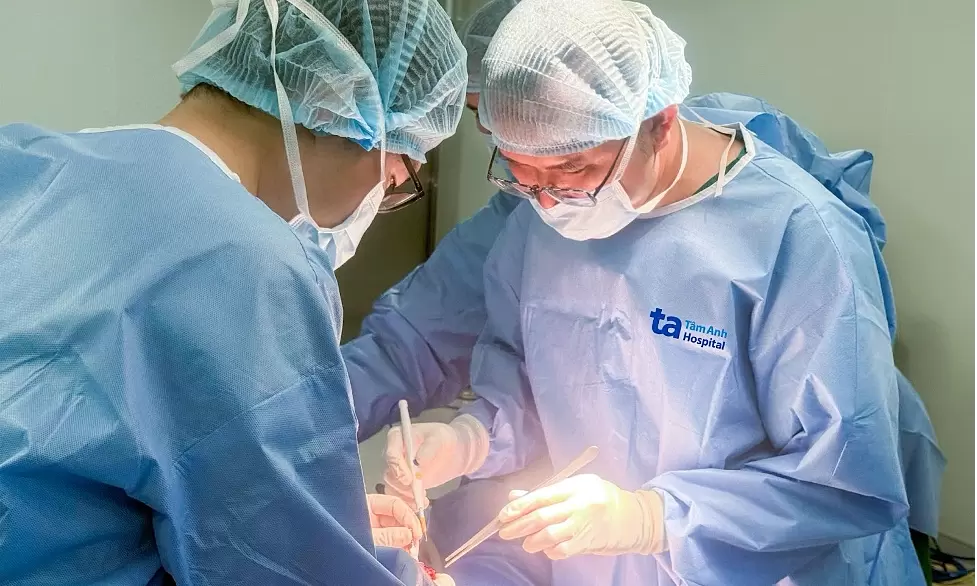
Starting 5/4, Ho Chi Minh City's health sector launched a pilot program to bring healthcare directly to residents' homes, particularly prioritizing the elderly and those in remote areas. This initiative, beginning at model commune health stations in Bac Tan Uyen, Dat Do, and Hiep Phuoc, aims to offer convenient health examinations and ongoing monitoring.
Accompanying healthcare workers on these visits are "smart medical bags," compact kits equipped to measure blood pressure, SpO2 (blood oxygen saturation), and perform rapid tests for early detection of common chronic diseases. Results immediately update into a centralized health management system, allowing doctors continuous monitoring without residents needing to travel.
This approach enhances patient convenience and ensures comprehensive care. If necessary, grassroots doctors can remotely connect with specialists from higher-level hospitals for additional consultation, ensuring residents receive thorough examinations.
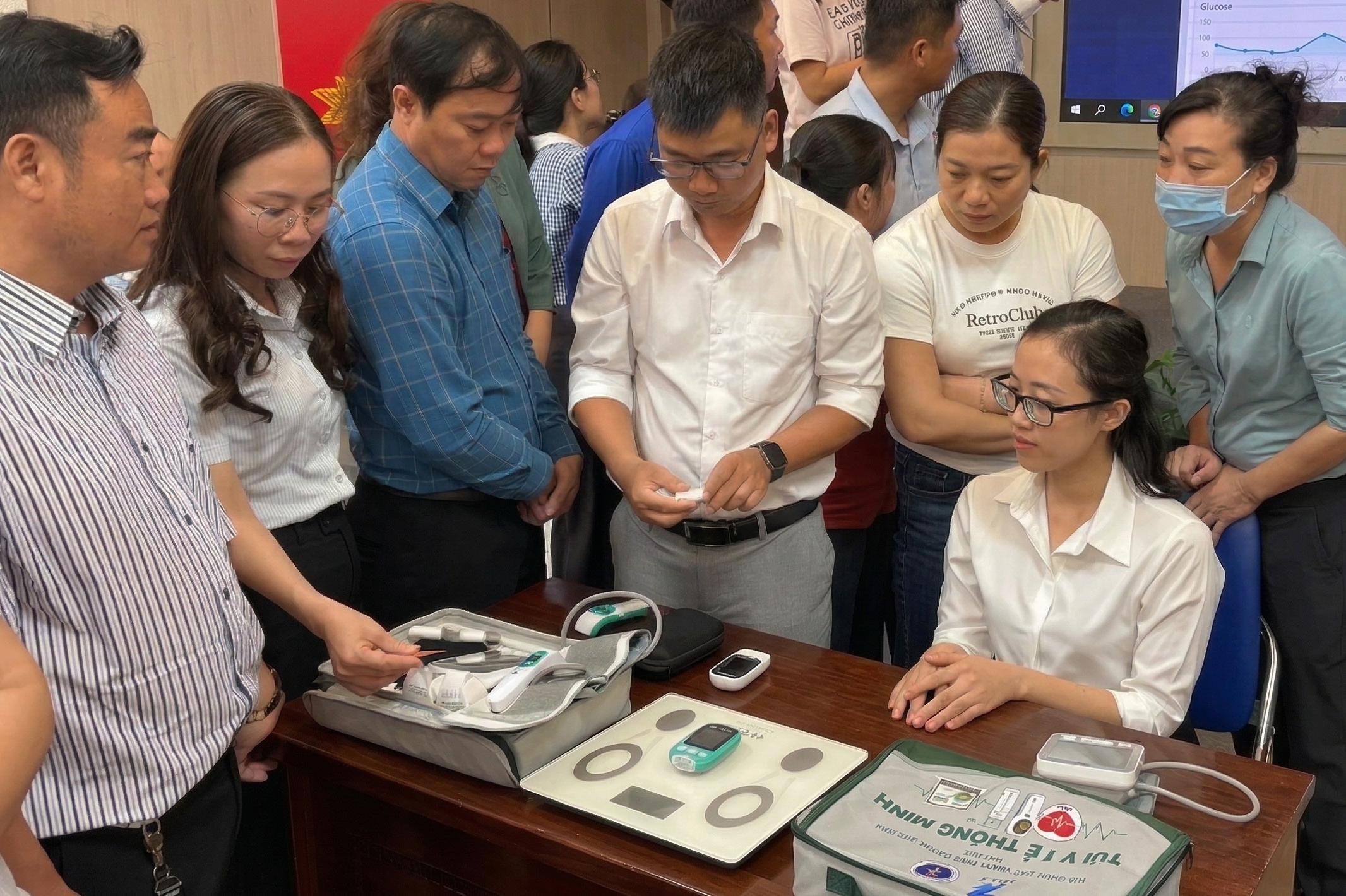 |
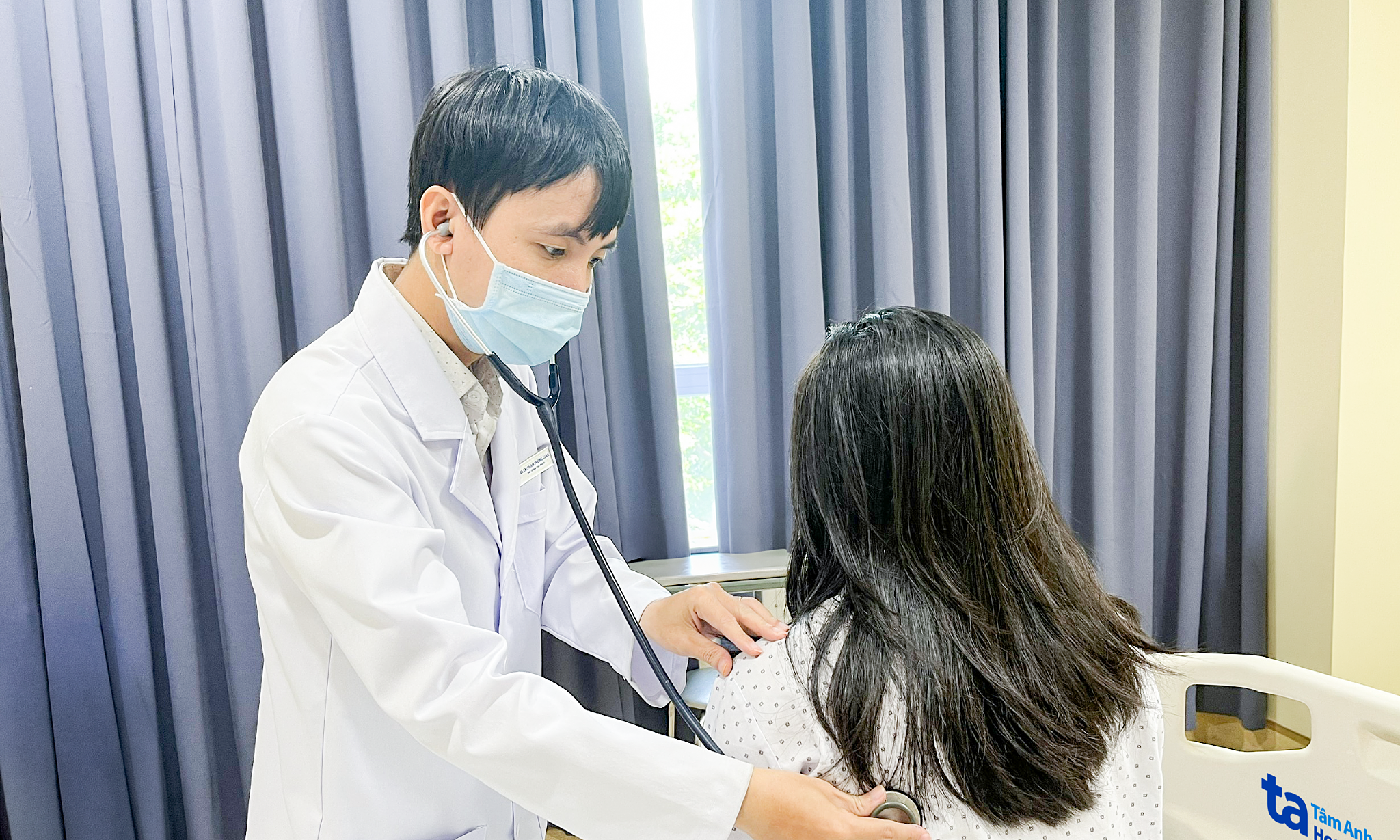
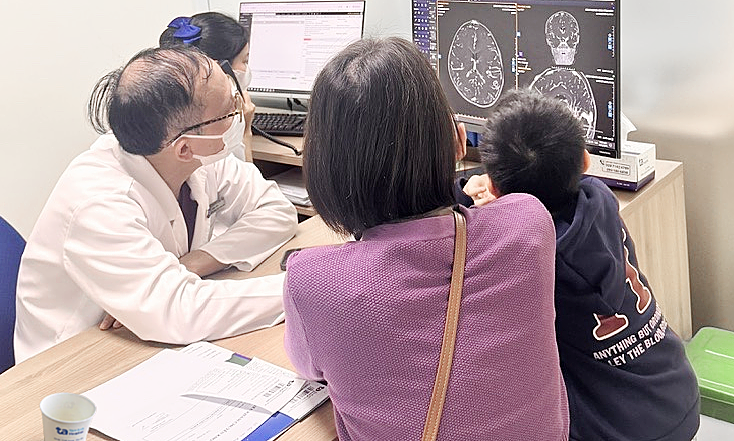
Healthcare workers train to use "smart medical bags" and professional procedures as continuous healthcare teams visit households to examine and monitor the health of the elderly. *Photo: Ho Chi Minh City Department of Health* |
Tang Chi Thuong, Director of the Ho Chi Minh City Department of Health, stated this initiative marks the beginning of the "Continuous Healthcare Team linked to residential areas" model. To ensure its effectiveness, the Department has identified a three-pronged approach requiring coordination among three key forces.
The health sector develops procedures, provides training, and ensures the availability of medicines, equipment, and data systems. Local authorities divide areas, mobilize collaborators, and build trust with residents. Health stations coordinate with health collaborators, update electronic health records, and organize home care when needed.
Once stable, this model will allow residents to receive not only examinations when ill but also regular health monitoring at home, facilitating early detection of risks for timely intervention. This makes health stations more accessible, transforming them into long-term health companions for families rather than just primary care facilities, thus reducing the burden on higher-level hospitals.
In parallel, Ho Chi Minh City is also deploying doctors from 56 major hospitals to 60 health stations. Starting 5/4, this initiative provides free examinations, cancer screenings, and consultations for complex diseases to approximately 16,000 residents. The city aims that by 2026, nearly 15 million residents will receive at least one free health check-up and can seek care at any medical facility, irrespective of their place of residence.
Le Phuong