Nguyet's journey began with an infertility examination at Tam Anh General Hospital District 8. While her husband's health was normal, Nguyet carried the thalassemia gene, a hereditary blood disorder. Dr. Phan Ha Minh Hanh, from the Assisted Reproductive Technology Center, noted the couple's history of one abnormal pregnancy and two failed embryo transfers at a previous hospital, strongly suggesting chromosomal abnormalities in their embryos.
Following ovarian stimulation, Nguyet retrieved 10 oocytes, which, combined with sperm, successfully developed into two day-5 embryos. Doctors recommended embryo biopsy using preimplantation genetic testing for aneuploidy (PGT-A) to screen for genetic abnormalities.
 |
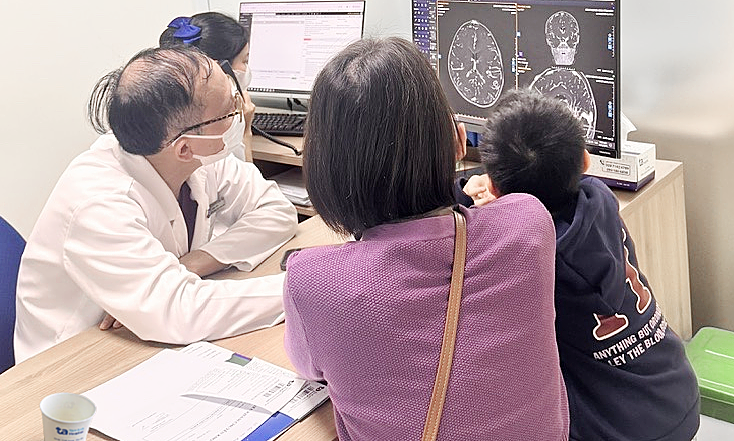
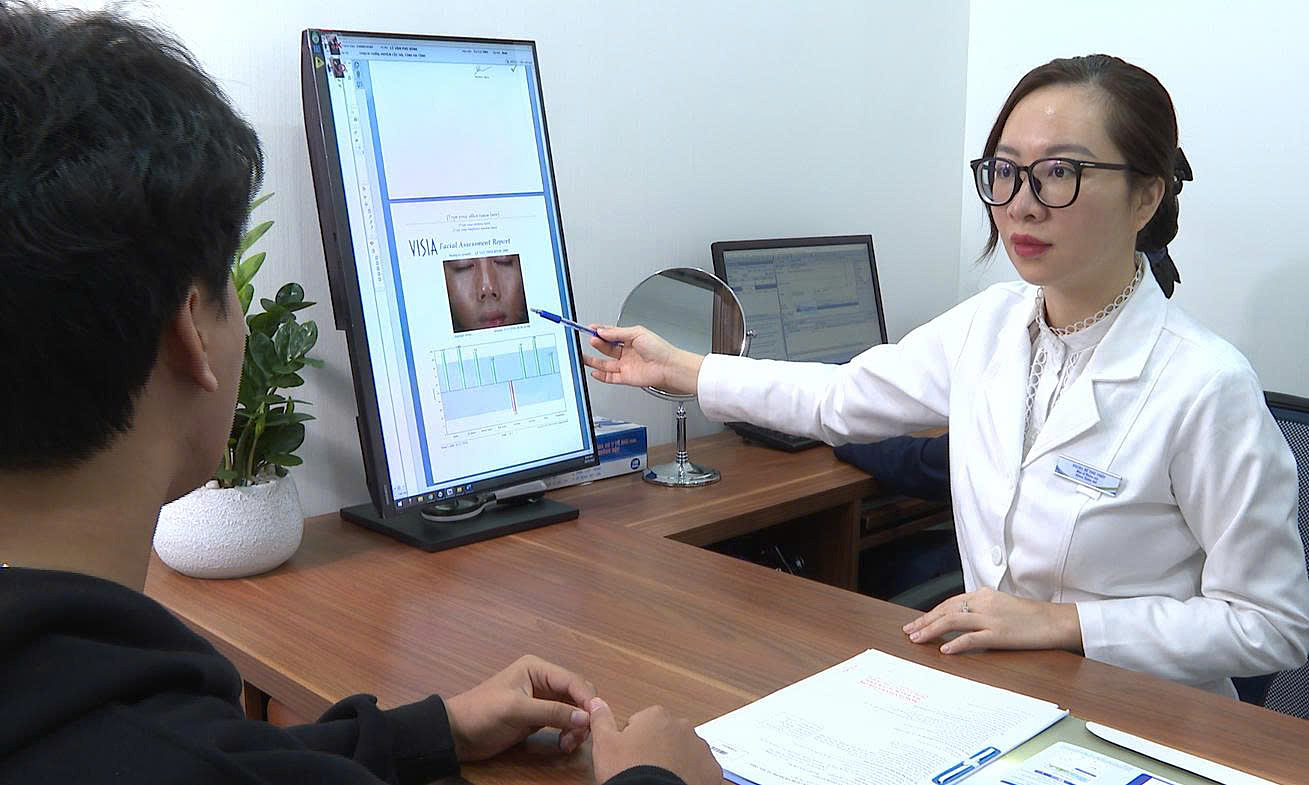
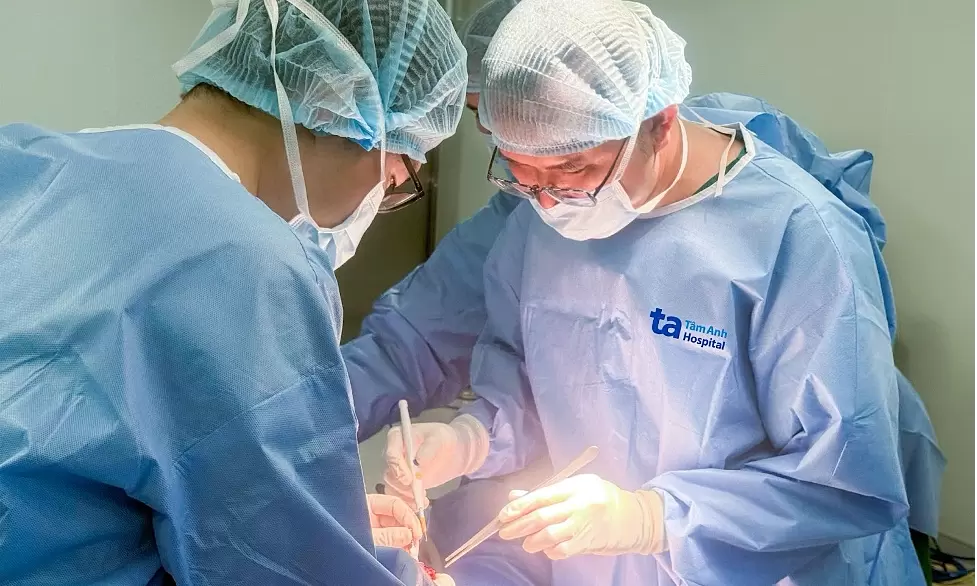
Dr. Hanh advises Nguyet on genetic screening methods. *Photo: Tam Anh General Hospital*
The PGT-A results showed one embryo carried a chromosome 16 abnormality, posing a high risk of miscarriage in the first three months, and was therefore discarded. Nguyet was left with a single mosaic embryo with a 30% abnormality in chromosome one. A mosaic embryo contains both normal cells with 46 chromosomes and abnormal cells with extra or missing chromosomes. The degree of mosaicism can reduce implantation rates and increase miscarriage risk.
Given Nguyet's low-level mosaic embryo (below 50% abnormality), there was still a possibility of a healthy birth, though the risks were higher compared to a euploid (normal) embryo. The couple decided to take a chance on this single opportunity, proceeding with the embryo transfer, which resulted in a successful pregnancy.
Doctors closely monitored Nguyet throughout her pregnancy. At the 10-week mark, a critical natural selection stage where chromosomally abnormal embryos often lead to early fetal demise, the pregnancy continued to progress. By week 12, a nuchal translucency scan and NIPT (non-invasive prenatal testing) showed normal cells significantly outnumbered initial abnormal cell lines, indicating promising fetal development.
Nguyet underwent continuous fetal morphological monitoring during the first six months. By 32 weeks of pregnancy, the fetal development indices and brain structure were fortunately normal at the near-term stage. At 38 weeks, Nguyet delivered a boy weighing 3,3 kg via C-section. A heel prick test for 73 postnatal diseases performed on the baby yielded completely normal results.
According to Dr. Hanh, mosaic embryos can develop into healthy fetuses thanks to the embryo's self-correction mechanism.
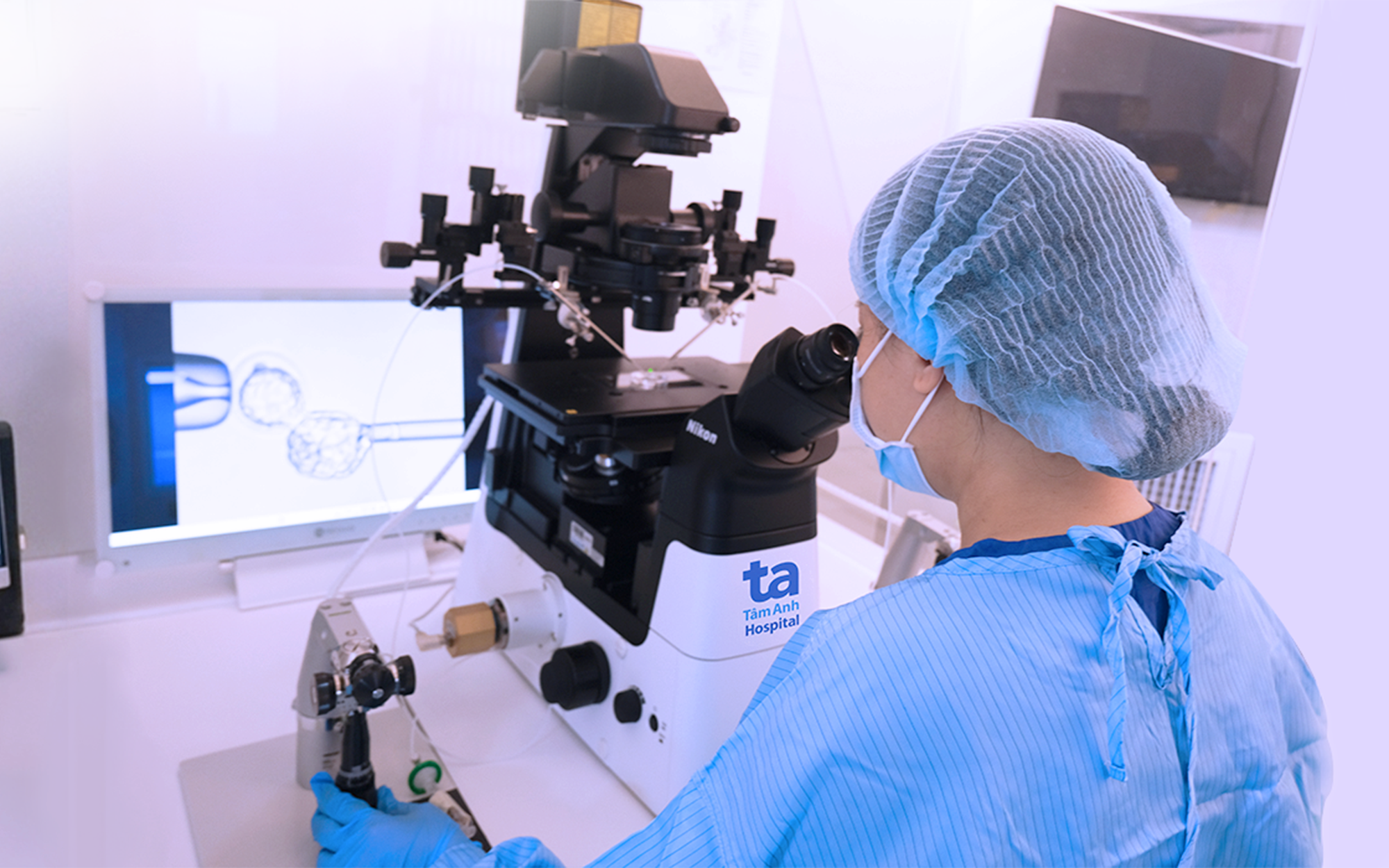 |
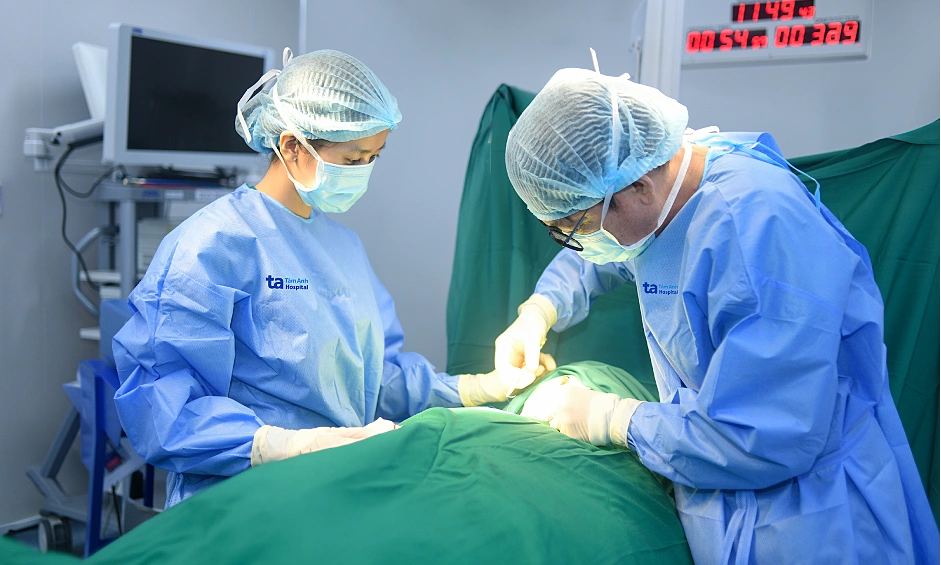
Master Nguyen Huyen Minh Thuy, Head of IVF Lab at Tam Anh - District 8, performs an embryo biopsy. *Photo: Hospital provided*
Master Ma Pham Que Mai, a genetic counselor at IVF Tam Anh TP HCM, explains that embryo biopsy typically yields results for euploid (normal), aneuploid (completely abnormal), and mosaic embryos. Mosaicism appears in 90% of day-3 embryos and about 15-30% of day-5 and day-6 embryos. This phenomenon is due to genetic errors that occur as a single initial cell multiplies into hundreds of cells within days. In addition to environmental and genetic factors, mothers over 35 years old have a higher risk of mosaic embryos.
Thanks to their self-correction mechanism, mosaic embryos can develop normally. However, if abnormal cells are not eliminated and continue to multiply, the embryo will retain its mosaic condition, potentially leading to pregnancy risks. Preimplantation embryo biopsy is an effective method to select viable embryos for uterine transfer, increasing the chances of successful pregnancy and healthy live birth.
Nguyet Nhi
*Character's name has been changed*