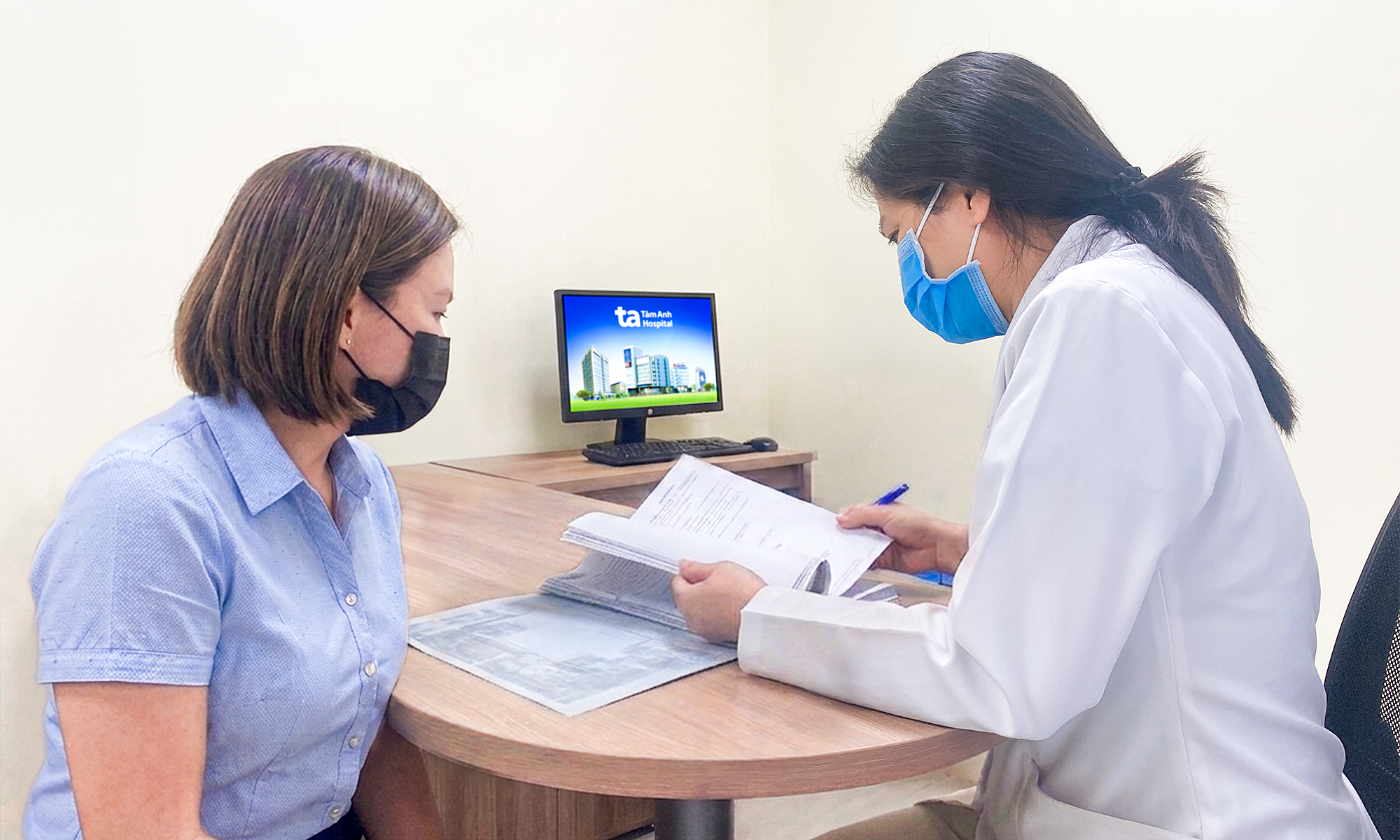
In recent two months, the man, who is 1,7 m tall and weighs 85 kg, experienced persistent thirst and frequent urination. Doctor Hoang Tuan Uyen, an endocrinology and metabolism specialist at Ky My Hospital in Taiwan, conducted an in-depth examination, revealing his fasting blood sugar reached 190 mg/dL (normal is below 100 mg/dL). His average three-month HbA1c level also reached 8,8% (normal is below 5,7%).
Based on these results, the doctor diagnosed him with type 2 diabetes. Doctor Uyen stated that his work nature, which involved irregular eating habits, excessive consumption of sugary drinks, and a lack of physical activity, rapidly eroded his health.
Doctor Uyen prescribed a treatment plan with oral medication, while also providing nutritional counseling and self-care guidance. Thanks to his adherence to regular check-ups and lifestyle adjustments, the man is now effectively managing his blood sugar levels.
 |
The habit of drinking sugary beverages like milk tea can cause diabetes. Illustration: Dreamstime
The 2025 Diabetes Special Group Yearbook in Taiwan announced that the number of people with type 2 diabetes in 2020 reached 2,56 million, meaning one in every 10 people has the disease. 2024 statistics also ranked diabetes among the 5 leading causes of death, claiming the lives of nearly 10,000 people annually.
Doctor Uyen warned that the incidence of "early-onset type 2 diabetes" in patients under 40 years old is surging. The pancreatic islet cells in this group degenerate faster than in older individuals, elevating the risk of cardiovascular and kidney complications.
Experts identified three main culprits for the disease: obesity, high stress, and a high-sugar diet. This age group is often busy building careers, maintaining irregular routines, and thus ignoring the body's warning signs. When doctors see them, they often present with complex metabolic issues that require early implementation of multi-therapy strategies.
Early onset of the disease also subjects the body to a prolonged high blood sugar environment. This significantly increases the future risk of retinal, kidney, neurological, and cardiovascular complications compared to those diagnosed later.
Experts recommend that individuals with elevated risk, such as those with a family history, excess weight, inactivity, chronic stress, or insufficient sleep, should proactively undergo regular health check-ups. Patients with the disease need to work closely with medical professionals to modify their lifestyle, exercise regularly, eat a balanced diet, maintain an ideal weight, and take prescribed medication to delay complications.
My Y (Source: Yahoo TW)