Doctor Ma Thanh Phong, Head of the Respiratory Unit at Tam Anh General Hospital Ho Chi Minh City, stated that as people age, their immune system and natural respiratory defenses decline. This makes older adults susceptible to pneumonia, increasing the risk of complications. Proactive prevention, especially measures to protect the respiratory tract and boost immunity, is crucial in reducing the risk of illness and complications.
Vaccination
Older adults should receive influenza, pneumococcal, and other vaccines appropriate for their age, underlying conditions, and vaccination history. Influenza can directly cause pneumonia or increase the risk of secondary bacterial infections. Pneumococcus is a significant cause of pneumonia and other serious infections.
Avoid exposure to infection sources
In addition to vaccination, older adults need to limit exposure to respiratory infection sources, especially during periods of increased influenza and other respiratory illnesses. Frequent handwashing, maintaining personal hygiene, wearing masks in crowded or poorly ventilated areas, and avoiding close contact with people who are coughing or feverish all help reduce the risk of exposure to viruses and bacteria.
Smoking damages the mucous membranes and ciliary system of the respiratory tract, impairing the lungs' ability to clear dust, secretions, and microorganisms. Older adults who smoke should quit and avoid regular exposure to secondhand smoke.
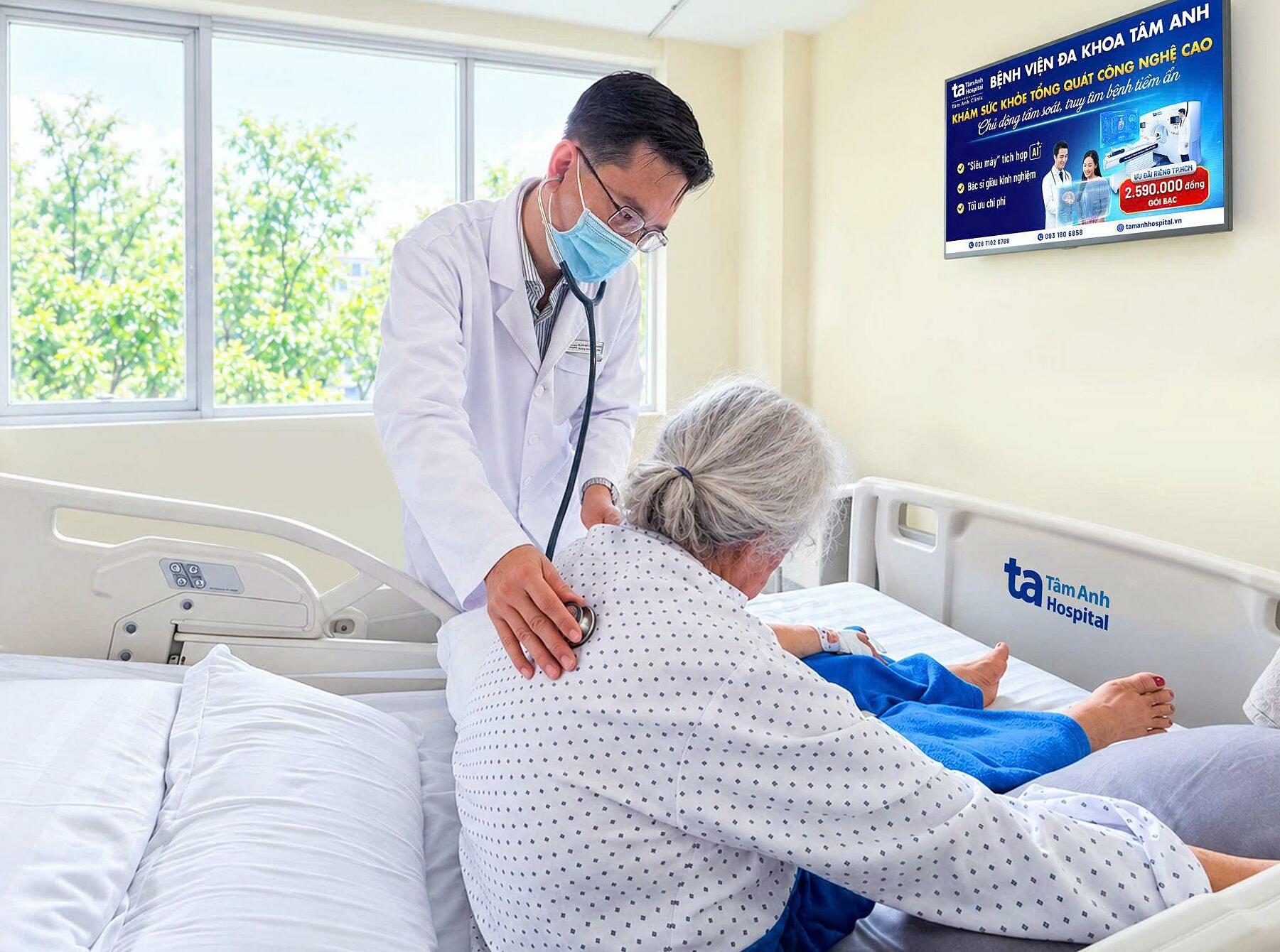 |
Doctor Phong examining an older inpatient in the General Internal Medicine department. Photo: Tam Anh General Hospital
Eat slowly, chew thoroughly
According to Doctor Phong, another often overlooked risk is aspiration pneumonia. Older adults, especially those with a history of stroke, neurological conditions, swallowing disorders, or impaired consciousness, may accidentally inhale food, liquids, or secretions into their airways. These substances carry bacteria from the mouth to the lungs, causing inflammation and infection.
Individuals at risk of aspiration should eat slowly, take small bites, sit upright during meals, and avoid lying down immediately afterward. If a person frequently coughs, chokes, wheezes, or experiences voice changes after eating or drinking, their family should seek medical evaluation for swallowing ability and receive appropriate guidance on preventing aspiration.
Manage underlying conditions
Effective management of chronic diseases also plays a crucial role in pneumonia prevention. Individuals with chronic obstructive pulmonary disease (COPD), asthma, heart failure, diabetes, chronic kidney disease, or immunocompromising conditions must adhere to treatment plans, attend scheduled follow-up appointments, and not discontinue medication on their own even if symptoms improve. Good control of underlying conditions enhances the body's ability to resist infectious agents.
Regular health check-ups
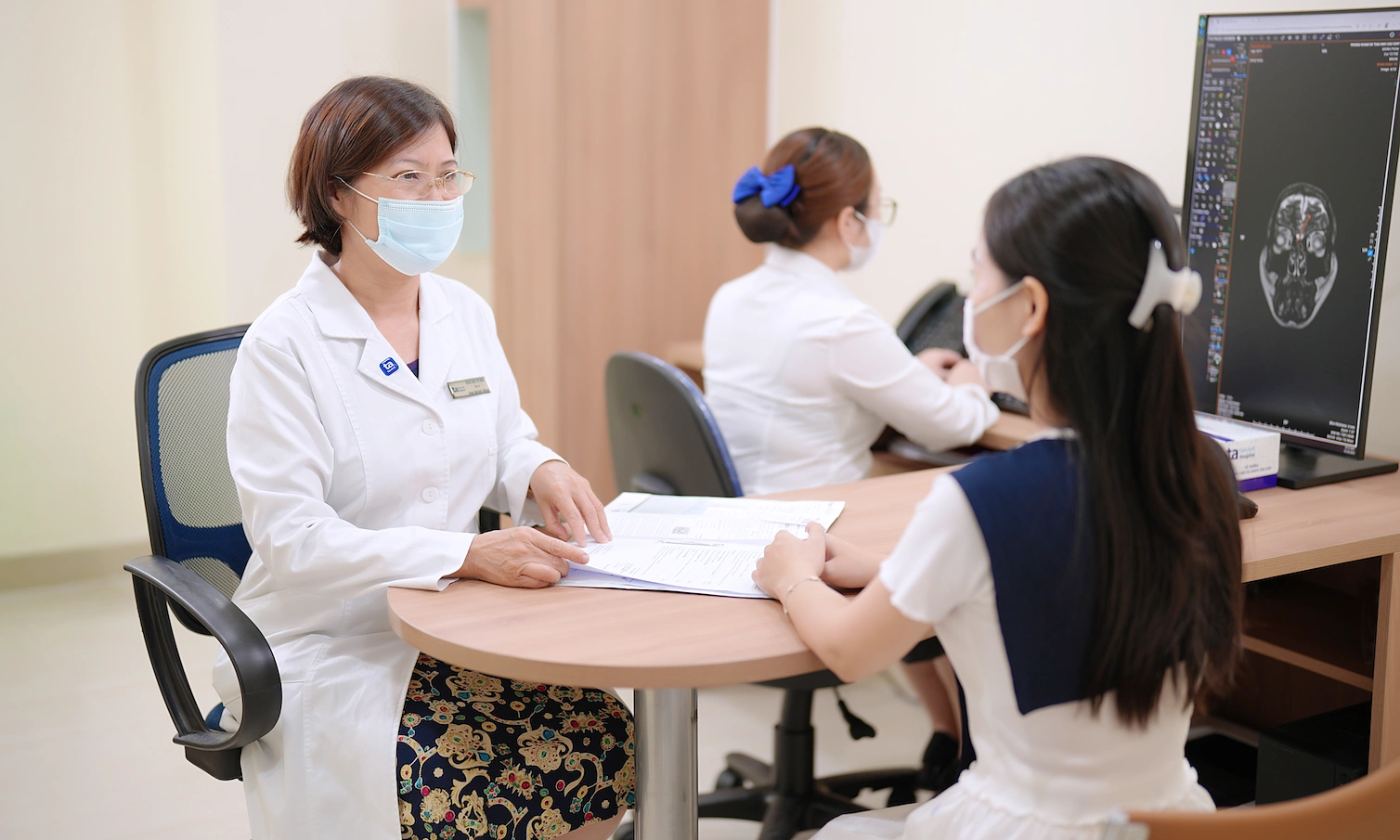
People aged 60 and above should also maintain regular health check-ups instead of waiting for symptoms to appear. According to Doctor Phong, some respiratory conditions can progress silently, and symptoms in older adults are sometimes atypical. Regular check-ups help doctors assess risk factors, detect respiratory abnormalities and underlying conditions early, and implement appropriate monitoring or intervention measures.
Individuals with a history of smoking, frequent exposure to dust or chemicals, a history of lung disease, or who frequently cough, produce phlegm, or experience shortness of breath should undergo respiratory function assessment when indicated. Depending on the case, a doctor may order respiratory function tests, chest X-rays, or other specialized investigations to determine the cause.
Pneumonia in older adults does not always begin with a high fever and severe cough. Patients may only experience unusual fatigue, poor appetite, rapid breathing, shortness of breath, confusion, or reduced mobility. Therefore, families need to pay attention to new health changes, especially in individuals with underlying conditions.
Doctor Phong advises older adults to seek early medical attention if they develop a new or worsening cough, phlegm, fever, shortness of breath, chest pain, rapid breathing, severe fatigue, or altered consciousness.
Nhat Thanh
| Readers can submit questions about respiratory diseases here for doctor's answers. |