A diverse diet, rich in vegetables and fruits, provides essential vitamins, minerals, and plant compounds for the body, including nutrients vital for eye health.
According to Doctor Luong Thi Anh Thu from the High-Tech Eye Center at Tam Anh General Hospital Hanoi, while fruits cannot replace medication or treat eye diseases, they can contribute nutrients to various components of the eye.
**Oranges, Grapefruits**
Oranges, grapefruits, and other citrus fruits are common sources of vitamin C. This vitamin possesses antioxidant properties, helping protect cells from free radical damage, and participates in collagen synthesis, a crucial component of the cornea and many connective tissues. Eating fresh fruit instead of sugary juices helps supplement vitamin C and increases fiber intake.
**Papaya**
Papaya contains beta-carotene, a carotenoid that the body converts into vitamin A. Vitamin A is essential for vision, particularly in low-light conditions, and helps maintain a healthy eye surface. A diet lacking vitamin A can increase the risk of eye problems, including dry eyes.
However, individuals with an adequate diet should not self-supplement high doses of vitamin A solely for eye protection; instead, they should prioritize obtaining nutrients from food.
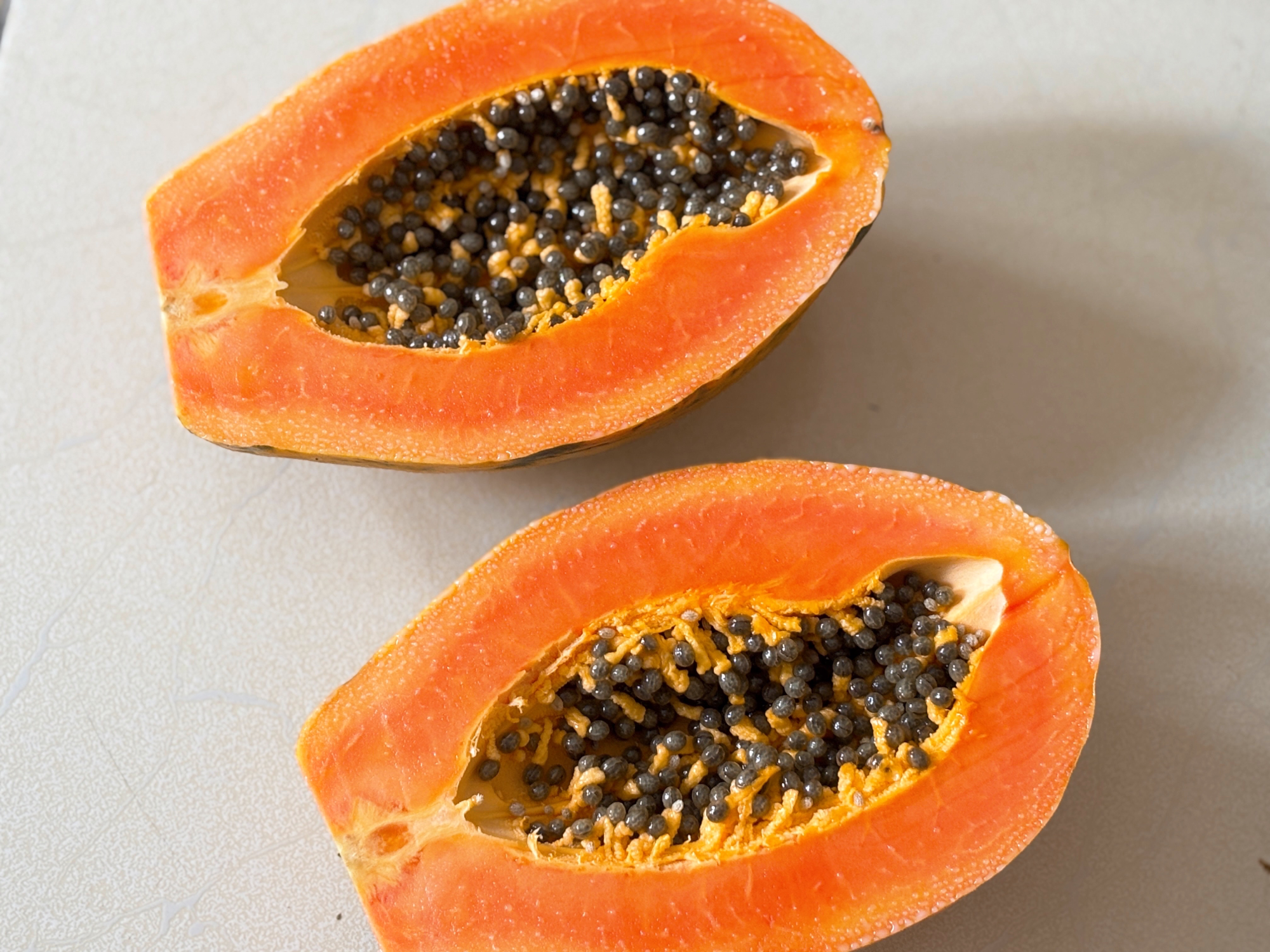 |
Papaya contains beta-carotene, a vitamin A precursor, supporting retinal health. *Photo: Bao Bao*
**Kiwi**
Kiwi provides a significant amount of vitamin C along with many plant compounds that have antioxidant properties. Vitamin C helps protect cells from oxidative stress and supports numerous bodily functions, including connective tissues in the eyes.
Kiwi can be consumed interchangeably with oranges, grapefruits, or other fruits to diversify vitamin sources in the diet. Eye benefits should be considered within the context of a balanced diet, rather than expecting a single fruit to improve vision.
**Strawberries**
Strawberries contain not only vitamin C but also many plant compounds with antioxidant properties. This group of nutrients helps the body combat the effects of free radicals, which can cause cell damage when accumulated excessively.
This fruit can be eaten directly or combined with other foods in the daily diet. In addition to fruits, colorful vegetables also provide a variety of beneficial antioxidant compounds.
**Avocado**
Lutein and zeaxanthin are abundant in avocados. These two carotenoids are found in high concentrations in the retina, especially in the macula. These substances possess antioxidant properties and help protect retinal cells from oxidative stress and light damage.
Lutein and zeaxanthin are present in many leafy green vegetables. Therefore, instead of focusing solely on avocados, one should incorporate a variety of vegetables, fruits, and nutrient-rich foods to create a balanced diet.
Doctor Thu advises that maintaining a diverse diet is one way to support eye health, but no fruit can replace ophthalmological examination and treatment. If vision becomes blurry, distorted, or if flashing lights, floaters, or any other abnormalities occur, patients should seek medical attention to determine the cause and receive appropriate treatment.
Thu Giang
| Readers can submit questions about eye diseases here for the doctor to answer. |