Headaches are among the most common disorders of the nervous system. Their causes are categorized into two groups: primary and secondary.
Secondary headaches may stem from an underlying neurological condition such as a stroke, brain tumor, or meningitis. Primary headaches are more frequent, with three common types being tension-type headaches, migraine headaches, and cluster headaches.
Experiencing headaches in crowded environments, such as restaurants or shopping malls, often results from a combination of factors.
Noise in restaurants, shopping malls, stadiums, or other crowded events is typically intense and originates from multiple sources, including conversations, loudspeakers, musical instruments, and colliding objects. Loud, chaotic, or prolonged sounds can trigger headaches, accompanied by discomfort and stress.
Bright lights, often emanating from lighting systems, LED screens, billboards, or reflected through glass, can also provoke headaches and discomfort. Individuals experiencing this often seek darker, quieter places for rest.
Intense odors from food, perfumes, or cigarette smoke in crowded areas can stimulate the sensory nervous system, causing cerebral blood vessels to constrict and expand, leading to headaches in some individuals. Symptoms typically subside when the person moves to a well-ventilated space.
Alcoholic beverages, frequently consumed at restaurant parties and large gatherings, cause blood vessel dilation, dehydration, and nervous system stimulation. These factors contribute to headaches.
Stress and anxiety from interacting and conversing with many people also trigger headache symptoms. Individuals often describe a tightening or heavy sensation on both sides of the head, accompanied by muscle tension in the neck and shoulders.
 |
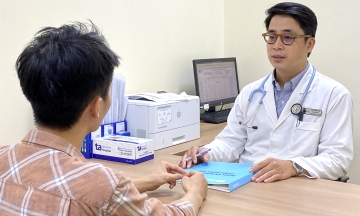
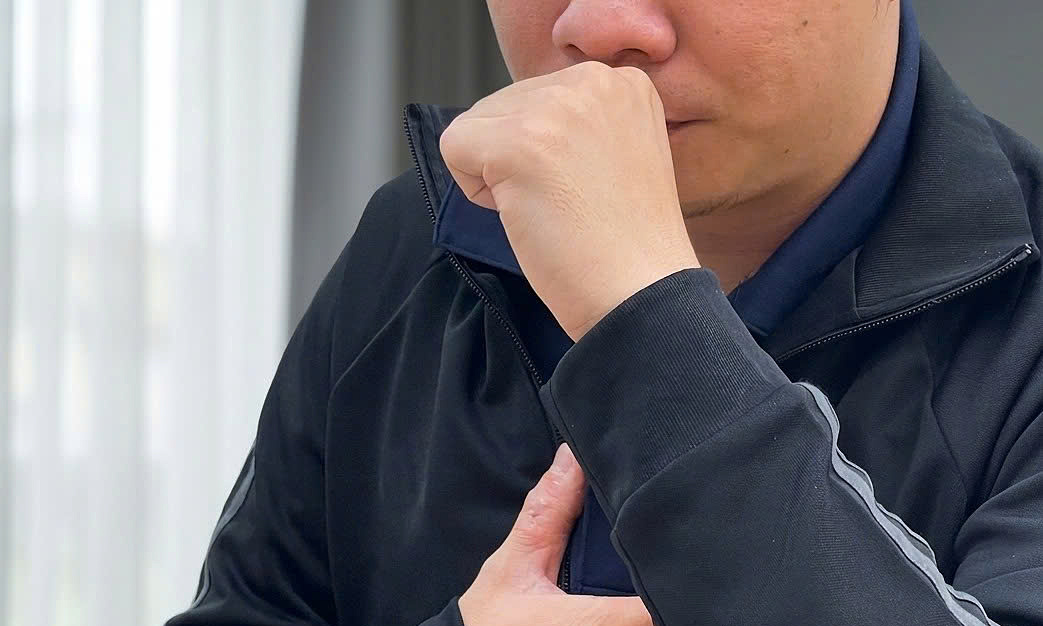
A doctor consults a patient with a headache. Illustration: Tam Anh Cau Giay General Clinic. |
Should a headache recur in a crowded place, it is advisable to temporarily leave the stimulating environment. Seek a quiet, well-ventilated area with soft lighting, drink water, and rest. If symptoms do not improve, individuals should visit a specialized neurology hospital for timely examination and intervention.
Master of Science, Doctor Vu Thi Hinh
Department of Neurology - Stroke,
Tam Anh General Hospital Hanoi