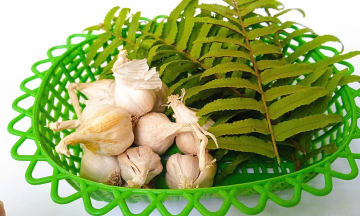
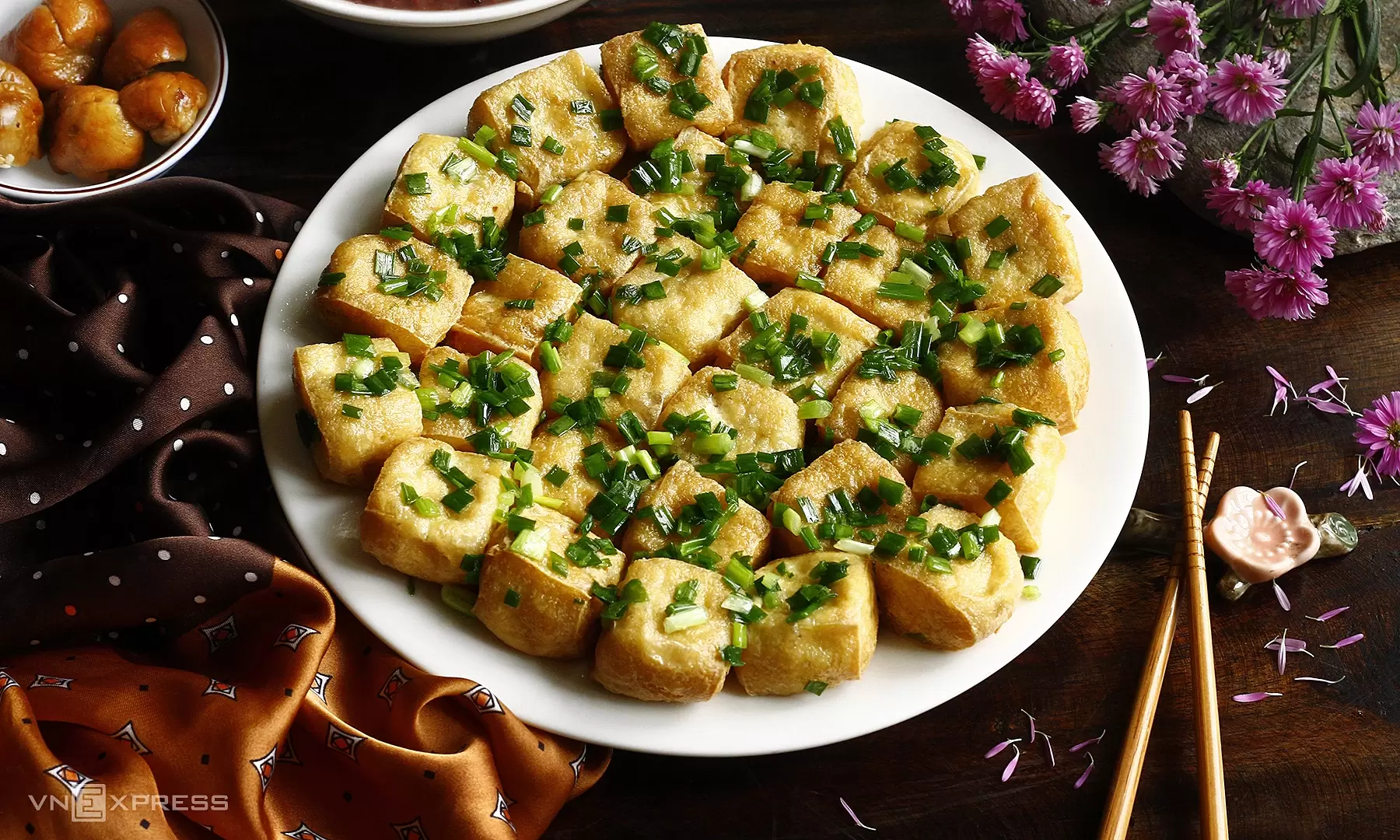
Experts recognize that diet plays a pivotal role in controlling and preventing the progression of high blood fat. The main principle is to limit fats, as they provide many calories and increase the risk of overweight and obesity.
To manage blood fat, avoid foods and drinks high in simple sugars, especially fructose, found in soft drinks, sports drinks, sugary tea, and fruit juices. The recommended daily sugar intake should not exceed 10% of total energy, ideally below 5% (approximately 25 grams per day for adults). Organ meats such as liver, offal, heart, and brain should be avoided due to their high cholesterol content, which can worsen fatty liver disease. Fast food and processed items, rich in salt and unhealthy fats, should also be limited. Absolute avoidance of alcohol is advised, as it causes severe liver damage and exacerbates the condition.
A traditional Vietnamese meal can be detoxifying if you limit starch intake and use mild seasonings. Opt for unrefined starches such as beans, quinoa, potatoes, brown rice, and whole-grain oats. Prioritize plant-based protein sources, limiting animal protein, especially red meat (no more than two times per week or only on weekends, with a maximum intake of 100 grams per day).
Doctor Nguyen Huy Hoang, from the Vietnam-Russia Hyperbaric Oxygen Center, Ministry of National Defense, suggests the "two increase, one decrease" rule for diet to lower blood fat:
Increase soluble fiber
Boost fiber intake by increasing consumption of green vegetables, fruits, and whole grains. Beneficial foods for individuals with high blood fat include: cruciferous vegetables, chili, lettuce, carrots, radishes, cucumbers, and celery. Fiber-rich whole grains comprise: barley, quinoa, sesame seeds, pumpkin seeds, almonds, walnuts, brown rice, lentils, and oatmeal. Recommended fruits are: kiwi, oranges, mandarins, grapefruit, apples, pears, grapes, plums, and avocados. Other suitable foods include: tofu, egg whites, skinless chicken, and various types of fish.
Increase healthy fats
Prioritize omega-3 intake from fish and seeds. Omega-3 rich fish to include in your diet are: herring, sardines, salmon, tuna, mackerel, halibut, and oysters. Chia seeds, walnuts, and flax seeds also promote good health.
Reduce red meat, processed foods, sugar, and salt
Red meat is high in bad cholesterol, so individuals with elevated blood fat are advised to consume less and substitute it with white meat, which helps lower LDL cholesterol.
Processed foods contain many unhealthy fats and salt. Therefore, patients should opt for home-cooked meals prepared by boiling or steaming, rather than frying or curing. Avoid poultry skin, butter, organ meats, and animal fat.
According to nutrition experts, patients should not consume more than 5 grams of salt and 25 grams of sugar daily. Eliminating stimulants like tobacco, alcohol, beer, milk tea, carbonated soft drinks, and refined sugar helps cleanse blood fat more effectively.
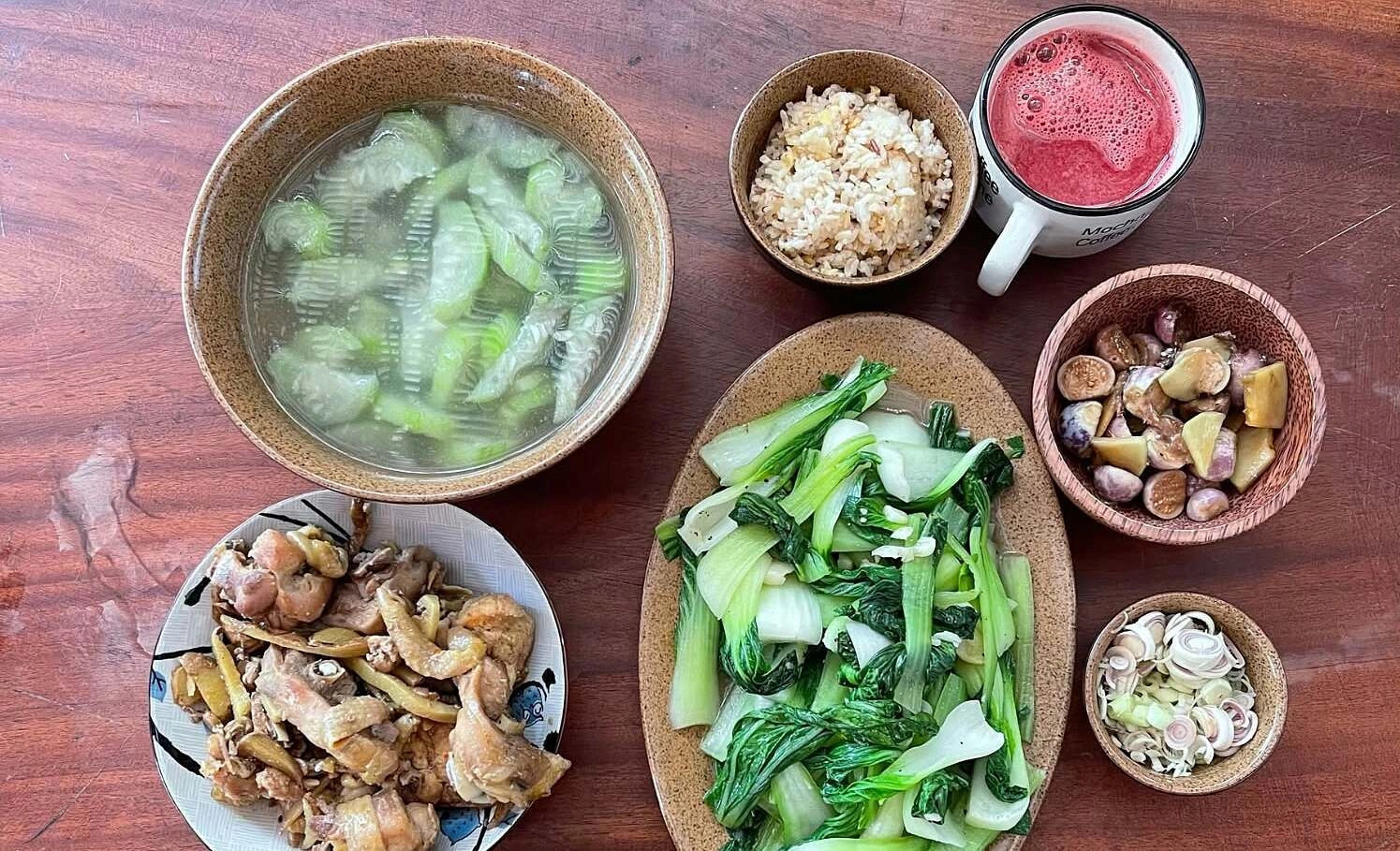 |
A menu featuring green vegetables, whole grains, and no red meat. *Photo: Doctor Tan provided*
In addition to dietary changes, regular exercise is crucial. It helps increase beneficial HDL cholesterol and control harmful LDL cholesterol, leading to a reduction in blood fat, visceral fat, and subcutaneous fat. Exercise also enhances blood circulation to the body's organs, improving overall health.
Global studies indicate that regular exercise can reduce total blood cholesterol. Therefore, individuals with high blood fat should choose a physical activity such as: jogging, brisk walking, cycling, swimming, yoga, or dancing. Each exercise session should last 40-45 minutes.
Blood fat levels do not change in just a few days. Typically, two to three months of maintaining a healthy lifestyle are needed to see clear improvements in test results. These lifestyle adjustments not only help reduce blood fat but also lower the risk of cardiovascular disease, diabetes, and many other chronic conditions.
Thuy Quynh