Ligaments are like "cables" connecting bones, stabilizing joints during movement. Falls, improper landings, or sudden changes in direction can stretch, tear, or completely rupture ligaments. Injuries can occur in any joint but are most common in the knee.
Dr. CKI Tran Thi Thu Huong, from the Rehabilitation Department at Tam Anh General Clinic District 7, notes that while these injuries are not life-threatening, improper or delayed treatment can lead to early joint degeneration, chronic joint instability, and severe loss of motor function.
In the initial 24-72 hours post-injury, patients should apply cold compresses 4-8 times daily, each session lasting 15 to 30 minutes, with 2-4 hours between applications. Avoid applying ice directly to the skin to prevent ice burns. Do not continue cold compresses beyond 72 hours, as this can temporarily interrupt tissue regeneration.
Low temperatures constrict blood vessels, reducing blood flow to the injured area, thereby limiting swelling. This allows damaged cells to "rest" temporarily, decreases oxygen consumption, and slows the inflammatory process. Cold also helps alleviate pain by reducing the transmission of sensory nerve fibers, lowering the stimulation threshold of pain receptors, and locally numbing nerve endings, which slows pain signals to the brain.
During this acute phase, hot compresses, medicated alcohol massages, or herbal poultices should be avoided, as they can increase blood pooling and delay ligament healing. Hot compresses are only appropriate once the injury has transitioned to a chronic stage and acute swelling has subsided. High temperatures dilate blood vessels, increasing blood flow (carrying oxygen and nutrients) to the injured area, nourishing cells, and promoting ligament tissue recovery.
Hot compresses also enhance the elasticity of collagen fibers in ligaments and surrounding muscles, increasing the flexibility of ligaments, tendons, and joint capsules. This reduces joint stiffness, making post-injury exercises and movements easier. Additionally, hot compresses can decrease muscle spasm reflexes around the injured joint, providing comfort to the patient.
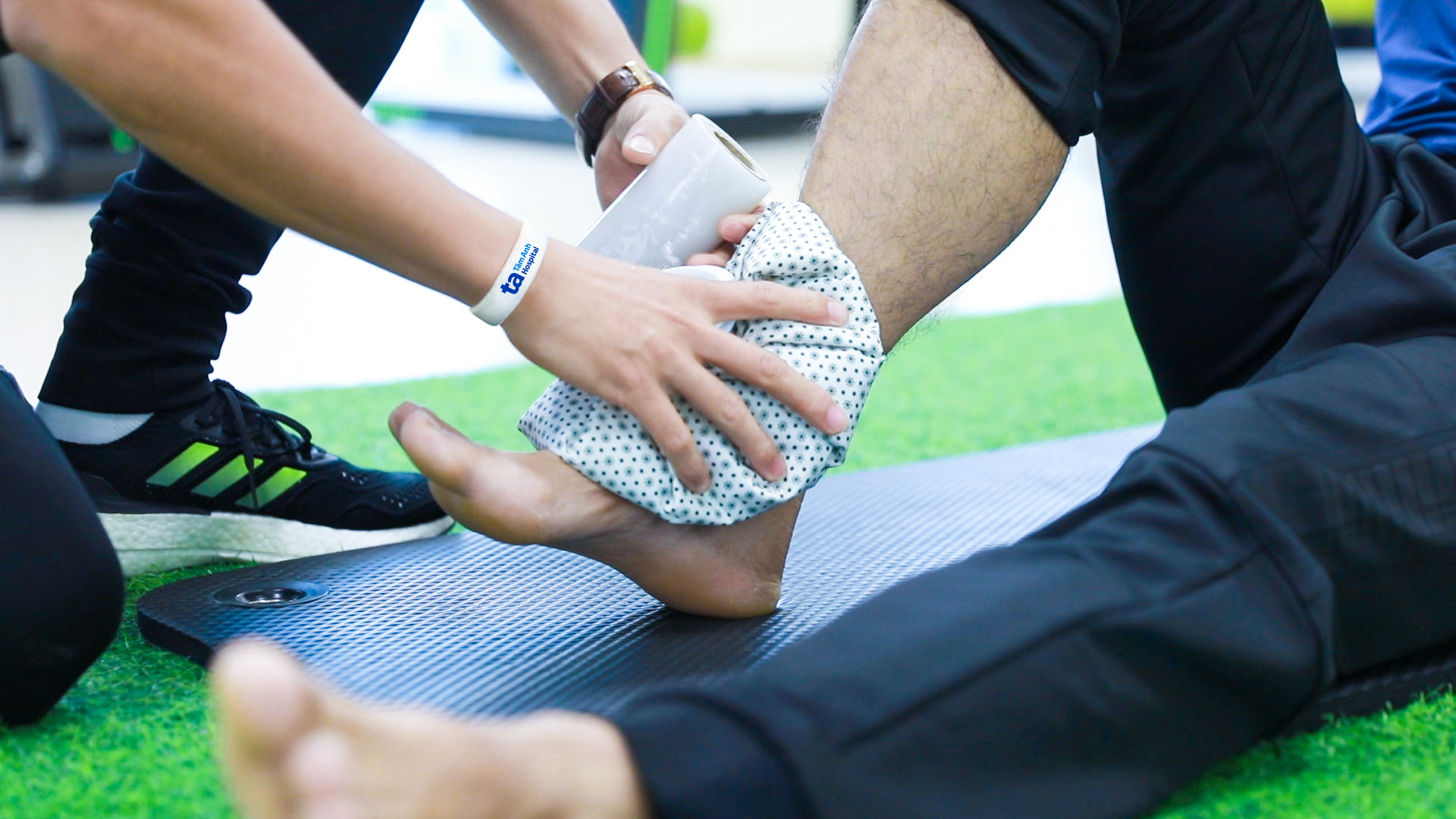 |
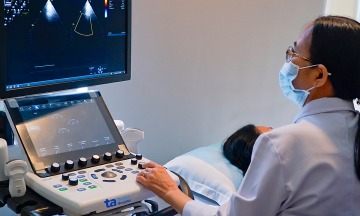
Cold compresses in the early stage effectively reduce pain and inflammation. *Photo: Tam Anh General Clinic District 7* |
Beyond applying hot or cold compresses at the correct time, patients may be prescribed other combined treatments, depending on the severity of the ligament injury. For mild injuries, after cold compression, patients should get adequate rest, limit movement, bandage, compress, and elevate the injured area (above the heart) to reduce circulatory stagnation. Typically, patients may require about 4-6 weeks for full recovery.
In cases of more severe injury or joint instability, doctors may recommend temporary immobilization (bracing) and physical therapy. Surgery is the last resort, indicated for individuals with severe damage, joint instability, or nearly complete loss of joint function.
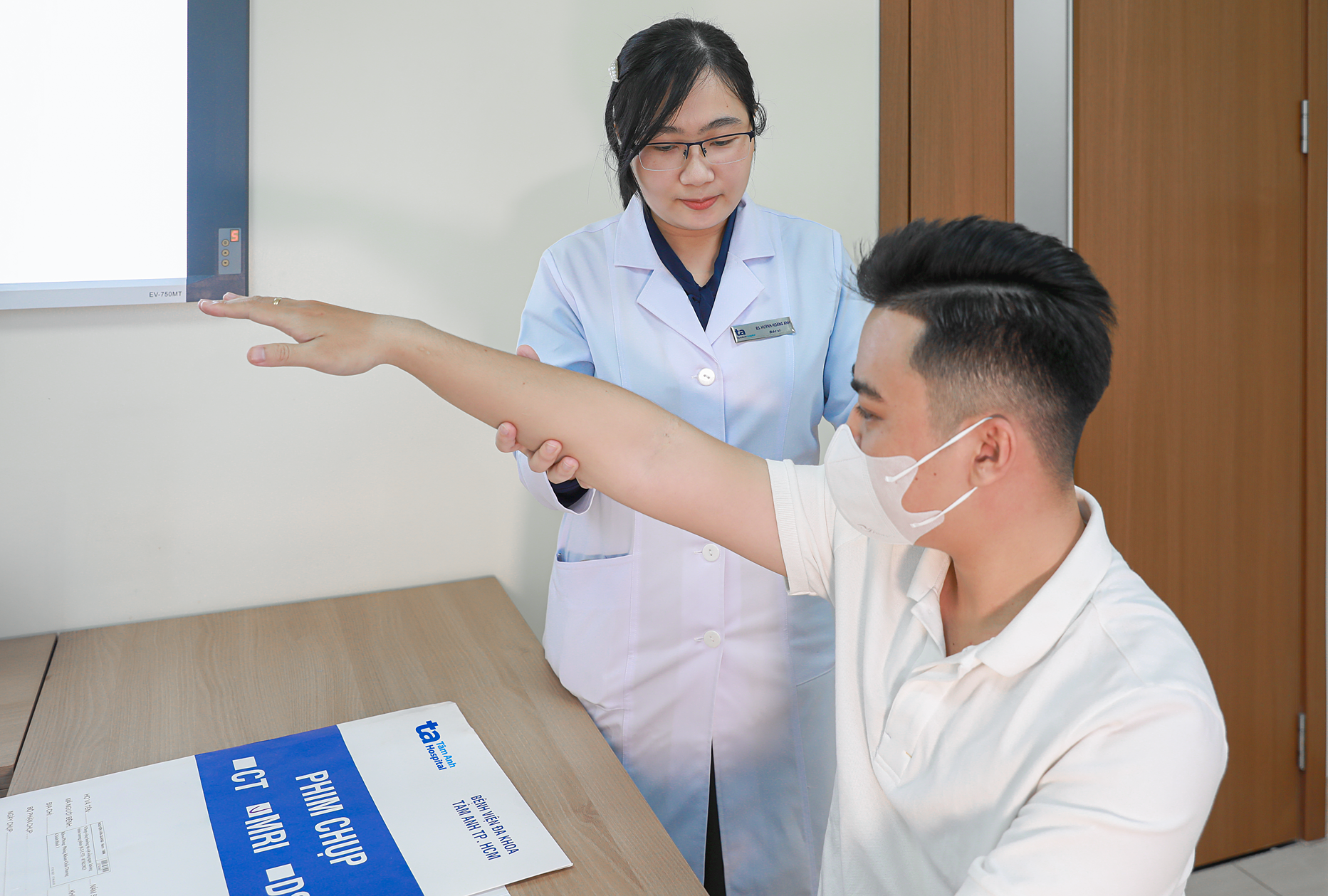 |
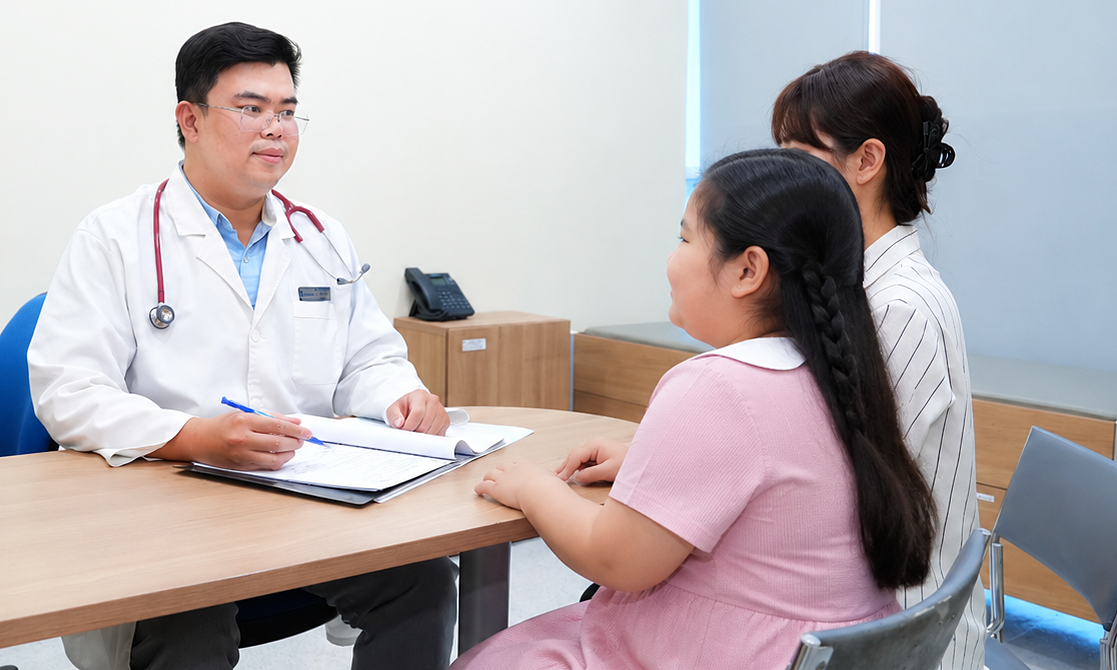
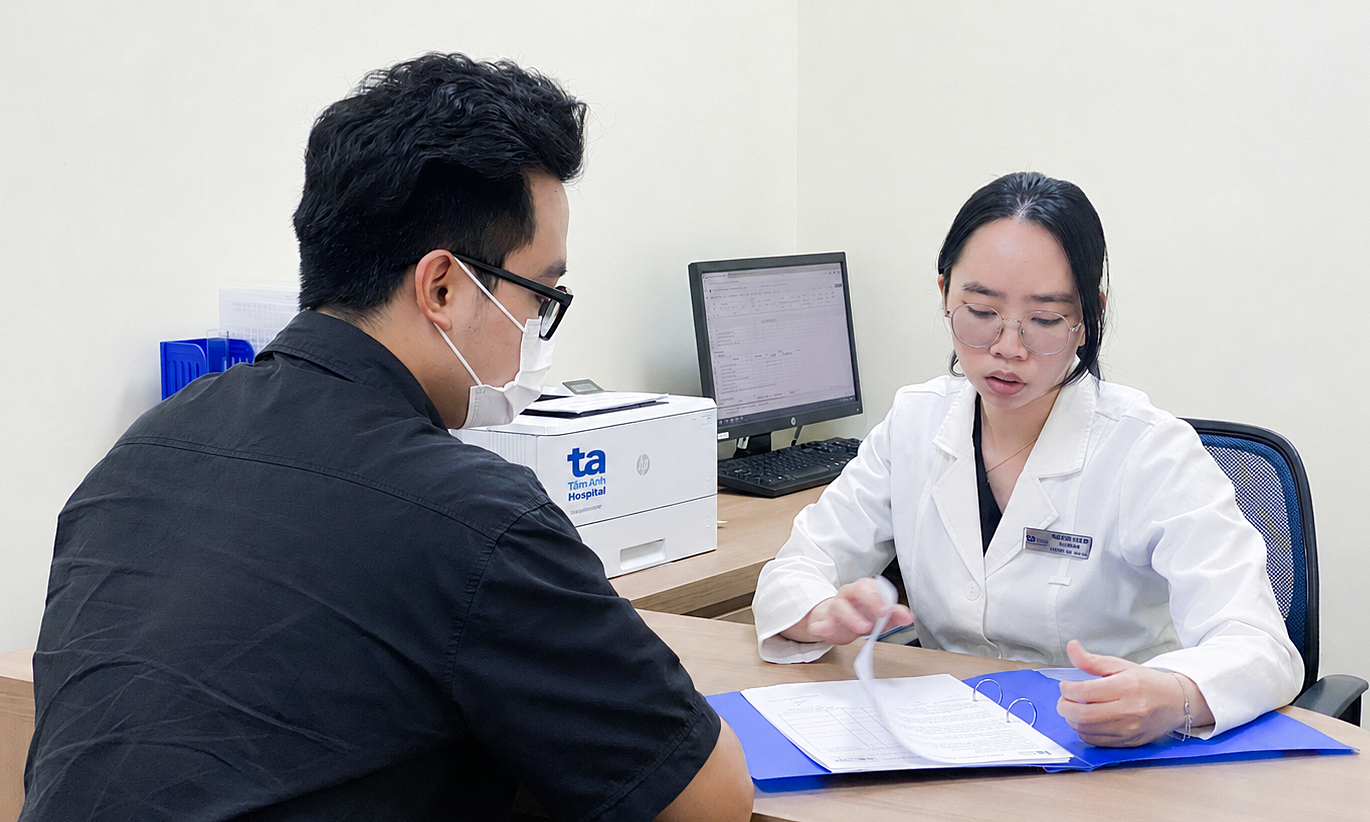
Dr. Huong assesses a patient's joint function. *Photo: Tam Anh General Clinic District 7* |
Patients should seek immediate medical attention if they hear a "pop" or "crack" sound from the joint during injury, if the joint swells rapidly and cannot bear weight, or if there is severe pain and extensive bruising around the joint. Doctors may order paraclinical tests if necessary to accurately assess the extent of the injury, provide appropriate and timely treatment, minimize complications, and facilitate quick recovery.
Phi Hong
| Readers can ask questions about musculoskeletal diseases here for doctors to answer |