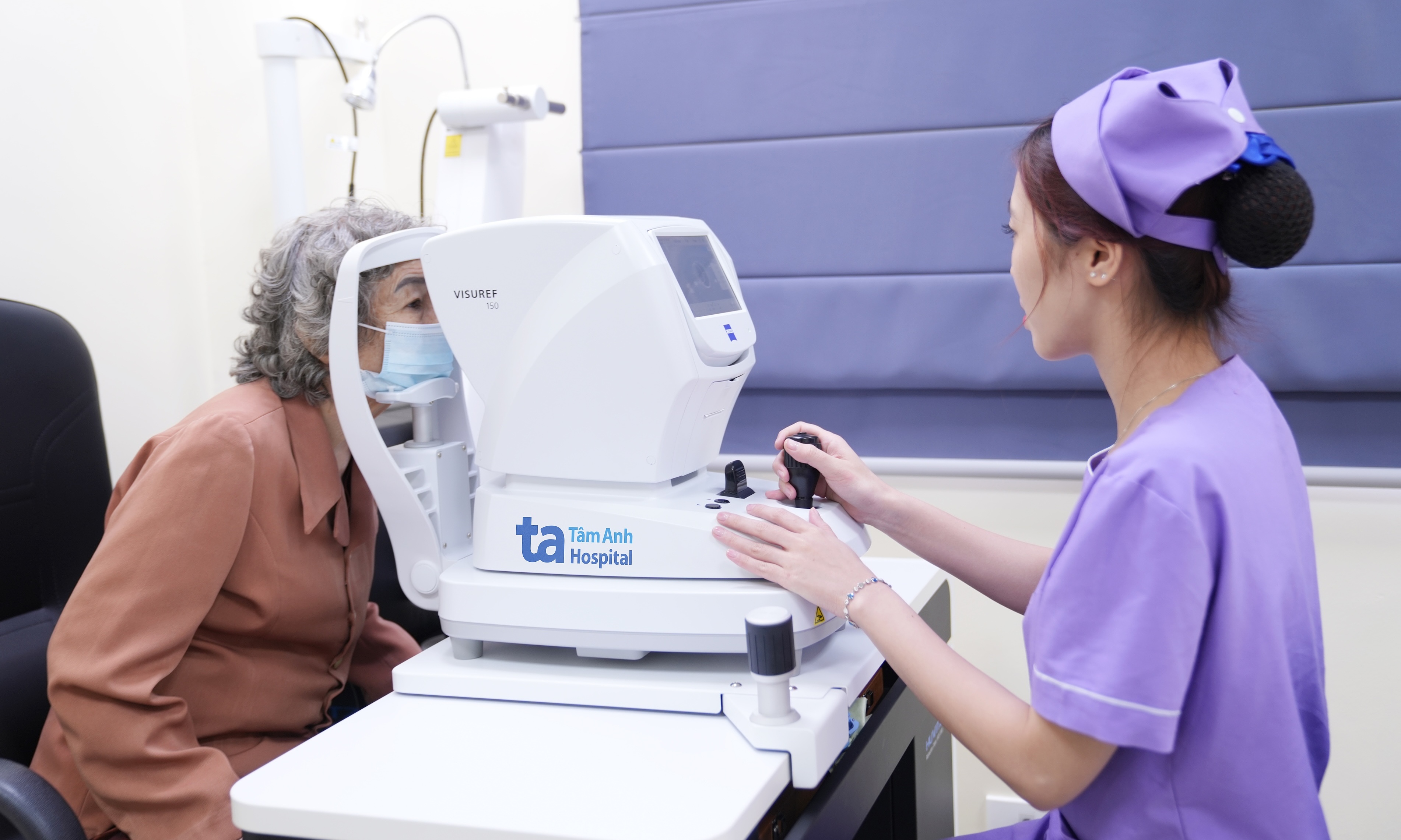
Dry eyes at night cause discomfort, occasionally impacting daily work and activities. Several factors can contribute to this condition.
Medications
Certain medications, such as allergy medications, antidepressants, and some blood pressure treatments, can cause dry eyes. This condition may manifest during the day, at night, or both. If you suspect your current medication is causing dry eyes, consult your doctor.
Fans, air conditioning, or dust
Exposure to dust, smoke, or wind during the day can irritate eyes, leading to dryness at night. The bedroom environment also plays a role. Fans positioned next to or above the bed, or air conditioning blowing directly onto the face, can accelerate tear evaporation, causing dry and uncomfortable eyes.
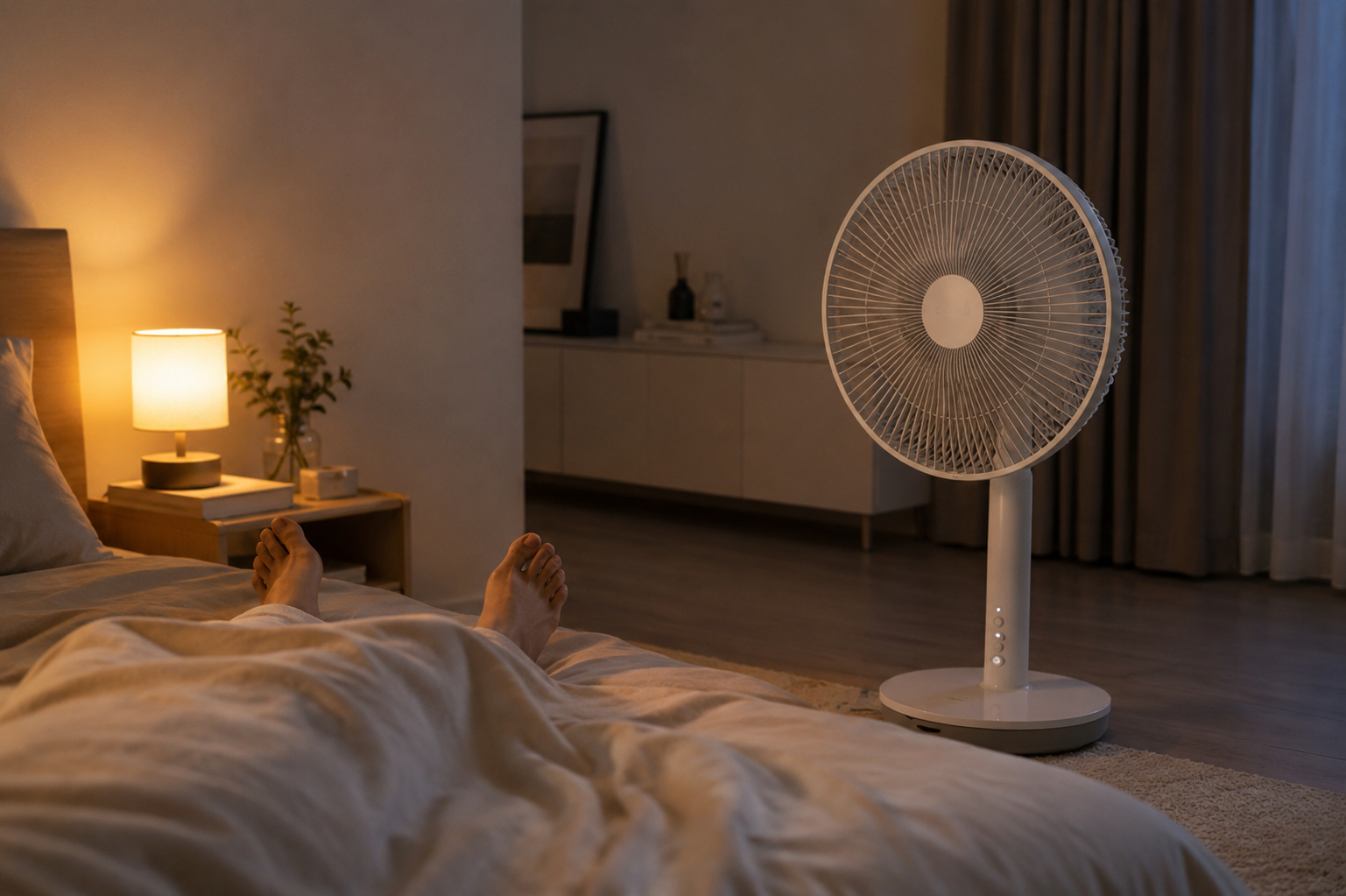 |
A fan blowing directly onto the face while sleeping can accelerate tear evaporation, leading to dry and irritated eyes. *Illustration: AI* |
Hormonal changes
Hormonal shifts during pregnancy, menopause, certain thyroid conditions, or polycystic ovary syndrome can be linked to dry eyes. Some hormone-affecting medications may also induce this symptom.
Incomplete eyelid closure during sleep
Some individuals sleep with eyelids that do not close completely, a condition known as nocturnal lagophthalmos. Even a slight opening exposes the ocular surface to air for hours, accelerating tear evaporation and causing dry, irritated eyes upon waking.
Certain medical conditions
Individuals with diabetes, rheumatoid arthritis, Parkinson's disease, Sjögren's syndrome, or thyroid disease have a higher risk of dry eyes. For these individuals, symptoms may appear more frequently at night.
Previous eye surgery
Dry eyes are a common side effect following refractive surgeries like Lasik. For some, this condition can persist for one year or longer post-surgery and contribute to nocturnal dry eyes.
Excessive screen use
Prolonged exposure to phone or computer screens can cause dry and strained eyes. This is primarily because users blink less frequently or incompletely when concentrating on a screen. Consequently, symptoms may become more pronounced by the end of the day.
Wearing contact lenses
Many individuals who wear soft contact lenses may experience dry eyes, especially with prolonged wear. Some only notice symptoms more distinctly at the end of the day or after removing their lenses.
Dry eyes not only cause a sensation of dryness but can also lead to burning, warmth, redness, grittiness, a foreign body sensation, blurred vision, or tearing.
To alleviate dry eyes, avoid direct exposure to fans or air conditioning while sleeping, keep your room dust-free, and use a humidifier if the air is dry. When using screens, take regular eye breaks following the 20-20-20 rule. Artificial tears, preferably preservative-free if used frequently, can be beneficial. Contact lens wearers should remove their lenses before sleep, wear sunglasses outdoors, and apply warm compresses to soothe discomfort.
Bao Bao (Compiled)
| Readers can submit questions about ophthalmological conditions here for a doctor's response. |