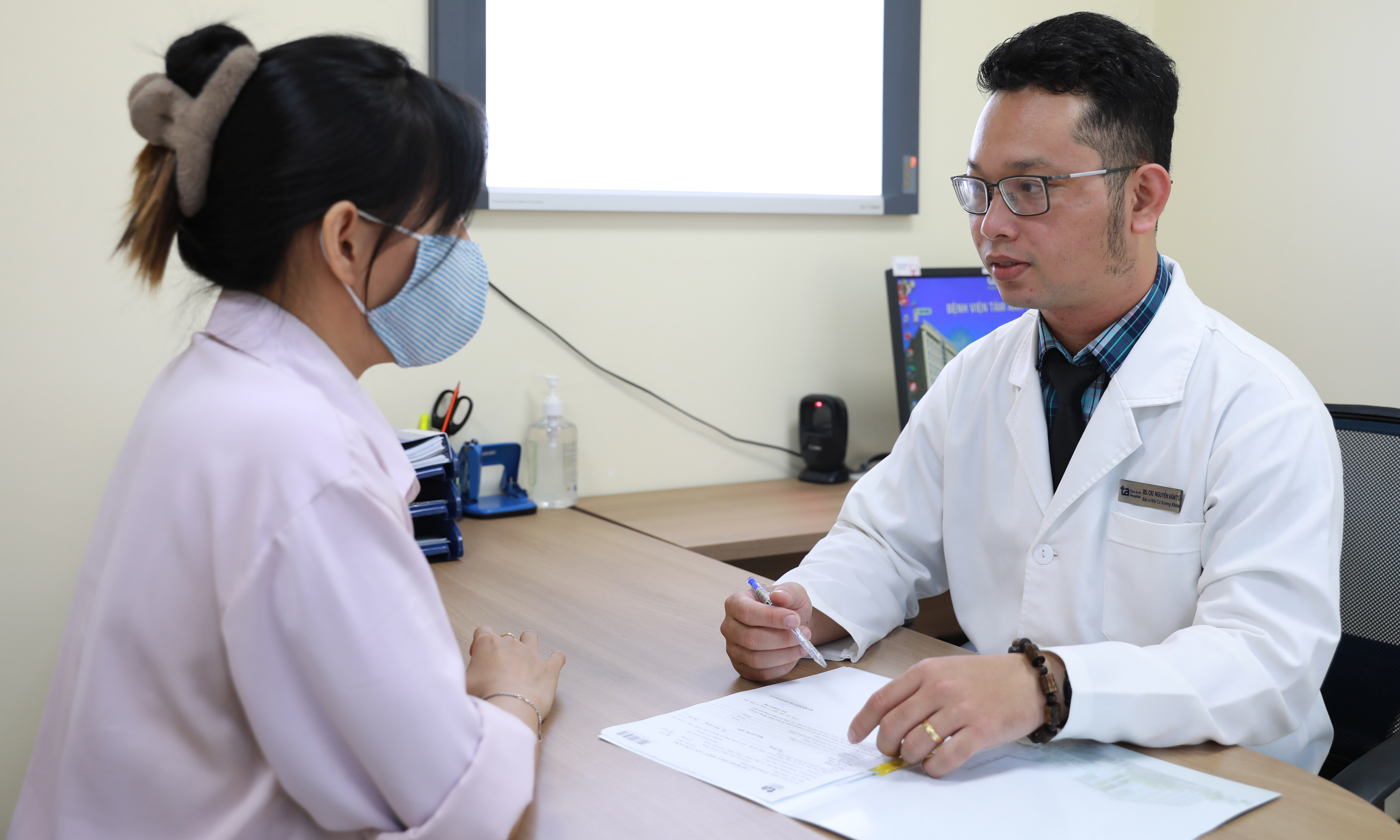
Irregular sleep patterns can significantly increase the risk of sexual dysfunction and decreased libido, according to Dr. Pham Quang Khai. Optimal functioning of internal organs, such as the liver and kidneys, for detoxification occurs after 10 PM, especially during deep sleep. Therefore, going to bed early allows the body to rest and eliminate toxins effectively. Many men may get 8 hours of sleep but go to bed at 2-3 AM, missing the crucial period when testosterone is secreted most strongly.
Attempting to catch up on sleep does not fully restore the body or regain energy; instead, it can disrupt the circadian rhythm. Insufficient sleep also leads to mental fatigue, reduced memory, diminished concentration, impaired judgment, and decreased vision, all of which indirectly affect overall well-being and sexual health.
To maintain good health, it is essential to manage work and rest periods appropriately, avoid staying up late, aim to go to bed before 11 PM, and ensure 6-8 hours of sleep daily. Avoid stimulants like coffee, tea, alcohol, and tobacco in the evening, as they can cause nervous tension and insomnia. Engaging in relaxing activities such as reading, listening to instrumental music, drinking warm water, practicing meditation, yoga, or light walking 1-2 hours before bed can promote better sleep quality.
Certain lifestyle habits, such as continuous high-intensity workouts aimed at muscle gain, can have adverse effects. Excessive gym training may lead to testicular damage and inflammation, potentially causing testicular atrophy and reducing the production of sperm and testosterone hormone. This negatively impacts reproductive and sexual health. High-intensity exercise can also result in physical and mental exhaustion, further affecting libido and the quality of sexual encounters.
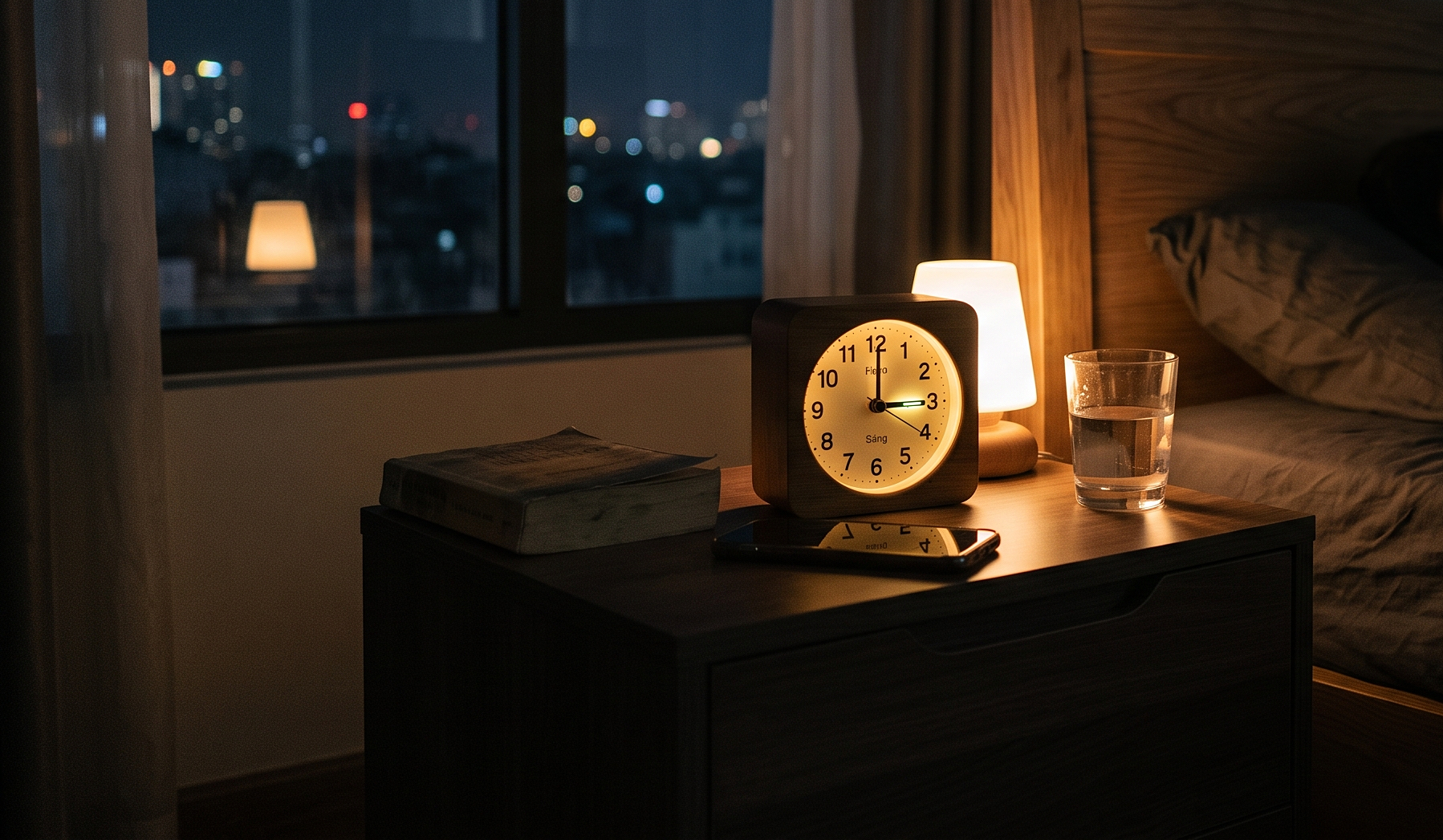 |
Illustration: AI |
It is crucial to avoid unscientific libido-boosting tricks, such as applying toothpaste or mint oil, or taking unverified medications. Similarly, do not overconsume foods like oysters, shrimp, or squid, nor should you avoid tofu, bean sprouts, or raw eggs based on unfounded fears of sexual dysfunction.
Men seeking to improve their sexual health should maintain a balanced diet, limit fried and greasy foods, animal offal, and stimulants. Reducing stress, psychological pressure, and anxiety is also vital. Habits such as smoking, alcohol consumption, a sedentary lifestyle, chronic stress, or sleep deprivation all negatively impact male physiology. Furthermore, a diet lacking essential vitamins (such as vitamin D, B12) and minerals (zinc, magnesium) can also weaken sexual health.
For specific male health conditions affecting sexual and reproductive life, individuals should seek examination at a medical facility. Do not rely solely on anecdotal or "word-of-mouth" improvement methods.
Dr. Pham Quang Khai, a Master of Science,
Department of Urology and Andrology Surgery, E Hospital