Methylene blue does not treat the underlying cause of hand, foot, and mouth disease and cannot replace vaccination. Topical medications and vaccines serve different purposes. Methylene blue acts locally, while a vaccine helps the body build immunity against the EV71 virus.
Hand, foot, and mouth disease is caused by various enteroviruses, commonly including: Coxsackievirus A16, A6, A10, and EV71. Most children experience mild illness and recover within 7-10 days. However, EV71 is more frequently associated with severe cases, potentially leading to neurological, respiratory, or circulatory complications. Some children may have minimal rash or lesions located on the buttocks and groin, which parents might easily overlook.
Applying methylene blue to blisters does not eliminate the virus. The dye can also obscure lesions, making it difficult for parents and medical staff to monitor the skin condition. Therefore, parents should not apply the medication widely without a doctor's guidance.
Bathing children with herbal water of unknown ingredients or that has not been properly cleaned can cause irritation and increase the risk of skin infection. Children should be bathed with clean water, gently dried, and their skin kept airy.
 |
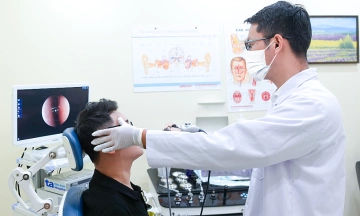
Children undergoing medical examination before vaccination at VNVC. Photo: Moc Thao |
When caring for children at home, parents should ensure they drink enough fluids, eat soft foods, administer fever medication at the correct dosage, and maintain oral hygiene as instructed. Seek immediate medical attention if the child experiences: prolonged high fever, frequent startling, limb tremors, unsteady gait, lethargy, severe vomiting, abnormal breathing, or any other signs that indicate a worsening condition.
Currently, there is no specific antiviral medication to treat hand, foot, and mouth disease caused by EV71. Doctors primarily monitor patients closely, manage symptoms, and address complications if the illness becomes severe.
A vaccine helps create active immunity against EV71, thereby reducing the risk of developing hand, foot, and mouth disease caused by this agent. The vaccine does not treat an ongoing illness and does not protect against all viruses that can cause hand, foot, and mouth disease.
The vaccine is indicated for children from two months old to under six years old. The VNVC Vaccination System has been administering the vaccine since 25/9 at nearly 300 centers nationwide.
The vaccination schedule depends on the starting age. Children from two months to two years old receive three doses. Children over two years old to under six years old receive two doses. According to published clinical study data, the protective efficacy and prevention of hospitalization for EV71 hand, foot, and mouth disease reach 96,8-100%. A doctor may still advise children who have previously had hand, foot, and mouth disease to get vaccinated after recovery and completion of the isolation period.
Vaccination should be combined with personal and environmental hygiene. Parents should wash children's hands with soap, clean toys and frequently touched surfaces, avoid sharing personal items, and properly dispose of feces and waste. These measures help reduce the risk of transmitting hand, foot, and mouth disease caused by various virus strains and other illnesses.
Doctor Nguyen Nhu Dien
Medical Manager, VNVC Vaccination System
Readers can submit vaccine-related questions for a doctor to answer here.