**Answer:**
Coin rubbing, also known as "danh cam", is a traditional folk remedy for various ailments. According to traditional Eastern medicine, when performed correctly, it can promote blood circulation, clear meridians, boost metabolism, enhance waste excretion through the skin, relax muscles, reduce fatigue, and balance yin and yang in the body.
However, there is no scientific evidence to suggest that coin rubbing prevents influenza A. This method is not recommended for young children, whose delicate skin is prone to scratches and infections if the rubbing is too vigorous.
Influenza A is an acute infectious disease that spreads easily through respiratory droplets or by touching contaminated surfaces and then touching the eyes, nose, or mouth. It affects all age groups, but young children are particularly vulnerable due to their immature and underdeveloped immune systems.
Children with influenza A often experience a continuous high fever, runny nose, increasing cough, extreme fatigue, irritability, vomiting, and diarrhea in the initial stages. The illness can worsen, leading to severe complications such as pneumonia, respiratory failure, sepsis, encephalitis, and meningitis.
Cold weather creates favorable conditions for the influenza A virus to thrive, increasing the risk of infection in children. To protect your child, ensure they dress warmly, eat nutritious meals, stay hydrated, get enough sleep, take vitamin supplements, and wear a mask when outdoors or in crowded places. Vaccinating your child against influenza is the most effective preventive measure.
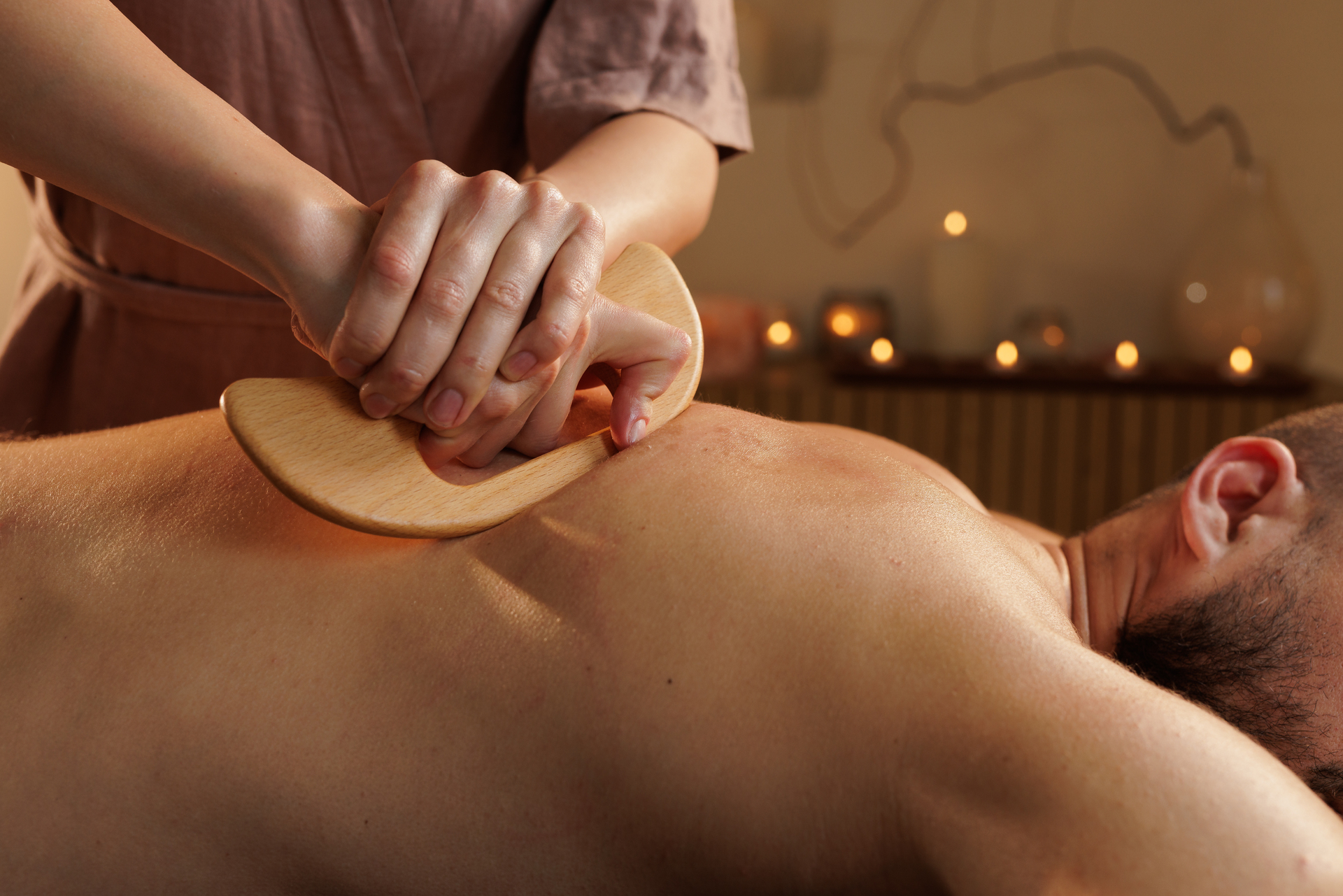 |
According to traditional Eastern medicine, proper coin rubbing can help relax muscles, reduce fatigue, and boost metabolism, but it does not prevent influenza A and poses risks if used on young children. *Vecteezy*
Currently, Vietnam utilizes 4 types of influenza vaccines, which protect against common influenza A and B strains. These vaccines are administered to individuals from 6 months old to adults. Children aged 6 months to under 9 years who have not been previously vaccinated against influenza require two doses, administered at least 4 weeks apart. Children 9 years and older, and adults, need one dose, followed by an annual booster to reinforce immunity and account for circulating influenza strains.
Beyond influenza, cold weather also increases the risk of other respiratory illnesses such as measles, chickenpox, pneumococcal disease, meningococcal disease, and RSV. Therefore, children should receive all recommended vaccines to reduce disease risk, prevent school absences, and lessen the burden on families.
For measles and chickenpox, Vietnam offers both single-component vaccines and combination vaccines that also protect against mumps and rubella, administered to both children and adults. Completing two doses of these vaccines provides up to 98% effective protection against the diseases.
There are 5 types of pneumococcal vaccines, which protect against pneumonia, meningitis, otitis media, and sepsis. Children aged 6 and above can receive pneumococcal vaccines 13, 15, 20, or 23; a doctor will advise on the appropriate schedule based on age and vaccination history. There are 5 types of meningococcal vaccines, which protect against meningitis, sepsis, and pneumonia caused by meningococcal bacteria.
The RSV vaccine, currently offered by Pfizer, is administered to pregnant women between weeks 24 and 36 of gestation to transfer antibodies that protect infants during their first 6 months of life, and to individuals aged 60 and above.
Dr. Nguyen Le Nga
Medical Manager, VNVC Vaccination System
Readers can submit vaccine-related questions for a doctor to answer here.