For grade one fatty liver, medication is often not required, as it is considered a mild condition detected by ultrasound. Fatty liver is characterized by excessive fat accumulation in the liver. The disease often progresses silently, showing no clear symptoms, and is typically discovered incidentally during an ultrasound examination. With a BMI of 23.4, indicating you are slightly overweight, increasing physical activity and adjusting your diet are crucial steps to lose weight and reduce liver fat.
Fatty liver is classified into grades based on ultrasound findings, specifically the degree of increased echogenicity (brightness) of the liver tissue and the visibility of liver structures. Grade one is the mildest form, where liver fat begins to increase, but liver structures remain relatively clear. Grade two indicates a moderate accumulation of fat, leading to increased echogenicity and making some structures, like blood vessels within the liver, harder to observe. Grade three is the most severe, characterized by pronounced echogenicity and a marked reduction in the visibility of blood vessels or deeper liver structures.
Fatty liver can improve by controlling risk factors such as limiting alcohol consumption, losing weight, increasing physical activity, managing dyslipidemia and high blood sugar, and adopting a healthy diet. If left unmanaged, some cases can progress to hepatitis, cirrhosis, and an increased risk of liver cancer.
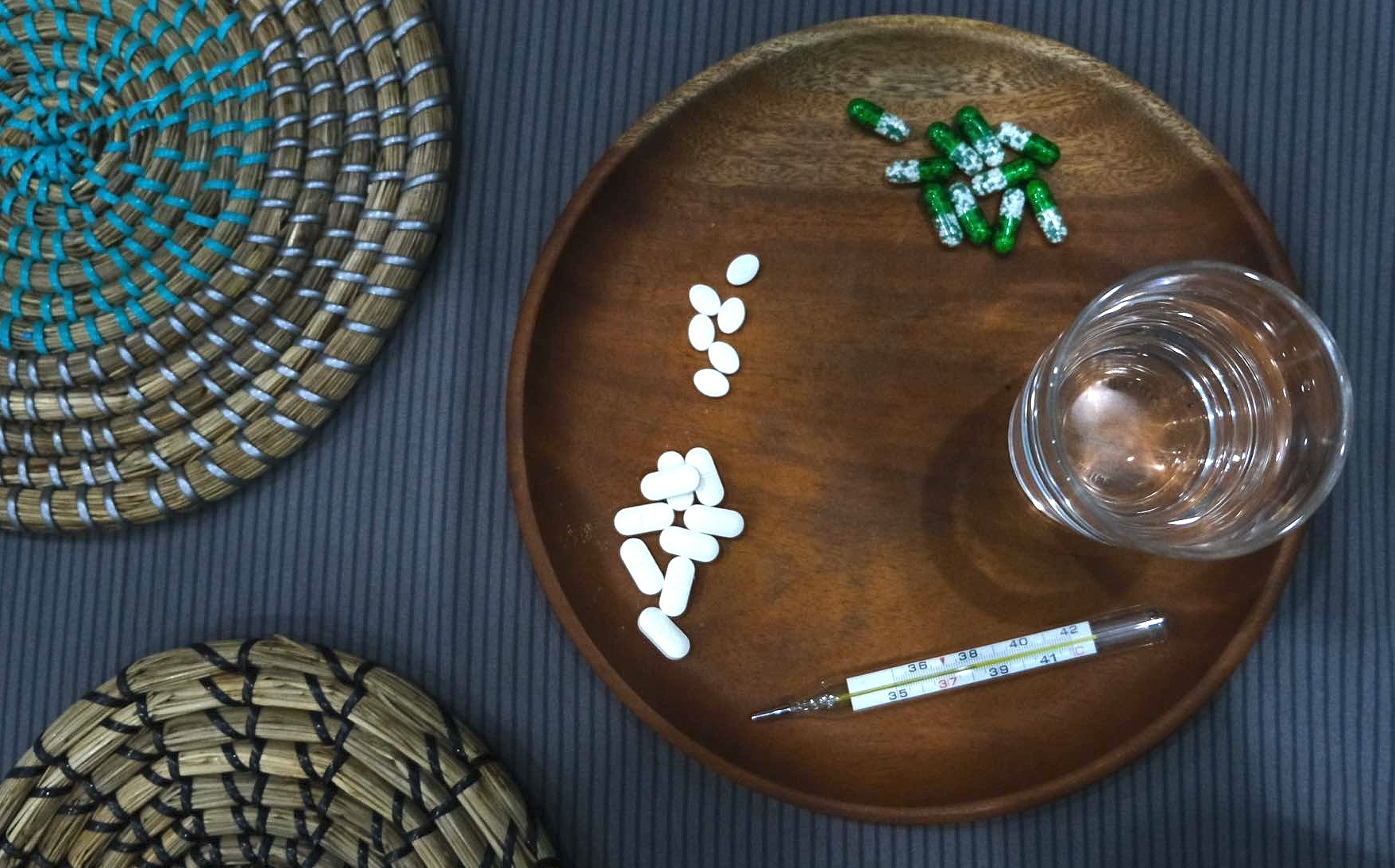 |
Mild fatty liver may not require medication. Photo: Anh Chi |
Individuals should aim for at least 150 minutes of moderate physical activity or 75 minutes of vigorous activity each week, combined with muscle-strengthening exercises at least two days per week. It is also important to limit prolonged sitting and increase movement during work and daily activities.
Patients should limit sugary drinks, sweets, ultra-processed foods, and items high in saturated fat, such as fatty meats, skin, organ meats, butter, and cream. Pay attention to portion sizes at each meal and prioritize green vegetables, whole fruits, whole grains, legumes, fish, nuts, and sources of unsaturated fats, which contribute to reducing liver fat.
Gradual and controlled weight loss is recommended to help reduce liver fat. Simultaneously, managing metabolic factors like blood sugar, blood fat, blood pressure, and waist circumference is essential.
Medication for fatty liver is typically considered by doctors based on the underlying cause, the extent of liver damage, and any accompanying medical conditions. Patients should not self-medicate or use supplements for "detoxification" or liver cleansing purposes.
Regular follow-up appointments, as advised by your doctor, are important to assess disease progression and initiate treatment if necessary.
Dr. Dinh Thi Huong
Department of Gastroenterology - Hepatobiliary - Pancreatology
Tam Anh General Hospital Hanoi
| Readers can ask questions about digestive diseases here for doctors to answer. |