Vision can change with age, with some eye conditions becoming more prevalent in older adults. Many of these conditions progress silently in their initial stages, allowing individuals to carry on with normal activities until their vision noticeably declines.
According to doctor Phung Van Thanh, from the High-Tech Eye Center at Tam Anh General Hospital Hanoi, while not everyone over 40 will develop eye diseases, this is a crucial time to proactively care for vision. Maintaining appropriate habits helps reduce risk factors and supports early detection of abnormalities.
Regular eye exams are vital. Many only seek medical attention when experiencing blurry vision or eye pain, yet conditions such as glaucoma, retinopathy, or macular degeneration can develop over extended periods without causing obvious symptoms.
A comprehensive eye examination assesses vision, refractive errors, and the condition of internal eye structures. For individuals with diabetes, hypertension, or a family history of eye disease, doctors will recommend an appropriate examination schedule based on their risk level.
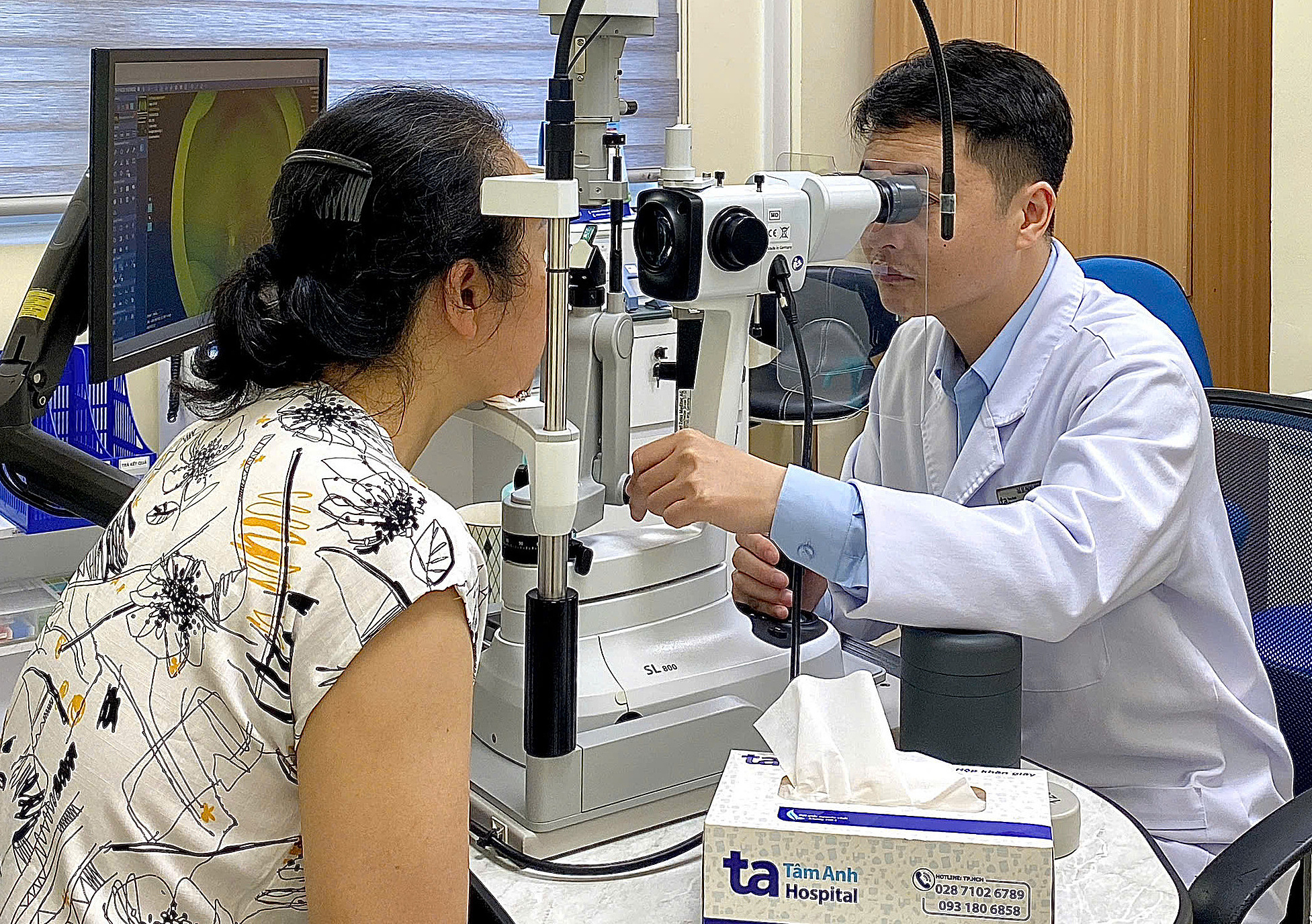 |
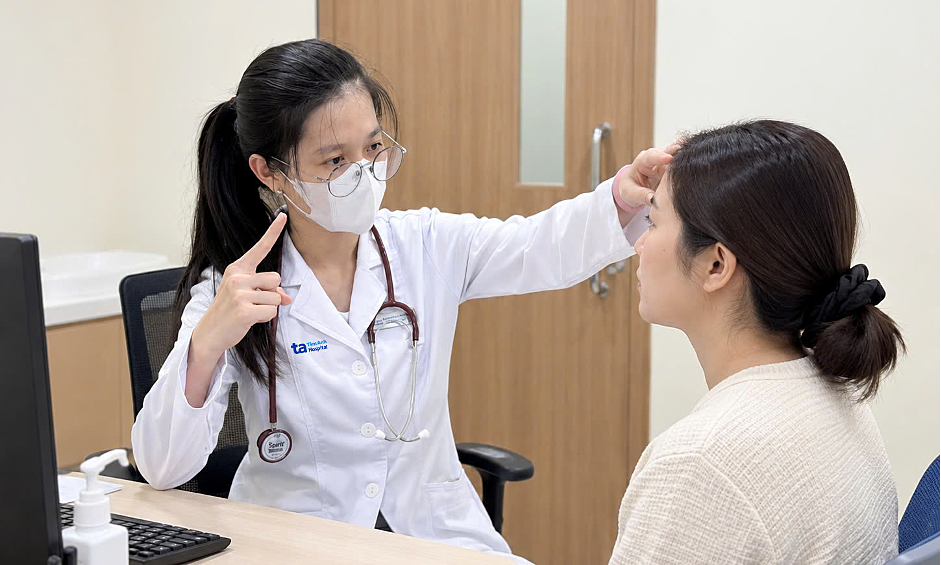
Doctor Thanh examines a patient. Photo: Tam Anh General Hospital
Controlling blood sugar and blood pressure is also key. The eyes reflect the health of the vascular system. Persistently high blood sugar or blood pressure can damage the small blood vessels supplying the retina, impacting vision if left uncontrolled.
Individuals with chronic conditions must adhere to their treatment plans and monitor blood sugar and blood pressure regularly. This not only protects cardiovascular and kidney health but also helps reduce the risk of eye damage from underlying diseases.
A healthy diet and regular exercise support eye health. A balanced diet rich in green leafy vegetables, fruits, fish, and nutrient-dense foods benefits the eyes. Regular physical activity helps maintain a healthy weight, reducing the risk of diabetes and hypertension, which are linked to various eye conditions.
Protecting eyes from ultraviolet (UV) rays is essential. Sunlight affects not only the skin but also the eyes. Prolonged exposure to UV radiation can increase the risk of cataracts and other eye damage.
When outdoors, use sunglasses that block both UVA and UVB rays, and wear a wide-brimmed hat if engaging in prolonged sun exposure. Individuals working in environments with dust, chemicals, or a risk of foreign objects entering the eyes should wear appropriate protective eyewear.
Quitting smoking significantly reduces risks. Smoking increases the likelihood of many eye diseases, including macular degeneration and cataracts. Ceasing tobacco use benefits not only cardiovascular and respiratory health but also helps protect vision as one ages.
Doctor Thanh advises individuals over 40 to begin protecting their vision through simple, daily habits rather than waiting for blurry vision to appear. When using computers or phones for extended periods, take regular breaks by looking into the distance to reduce eye strain and prevent dry eyes caused by continuous screen focus.
If symptoms such as vision loss, double vision, eye pain, numerous floaters, flashes of light, or partial vision loss occur, individuals should consult an eye specialist promptly for diagnosis and timely treatment.
Thu Giang
| Readers can submit ophthalmology questions here for doctors to answer |