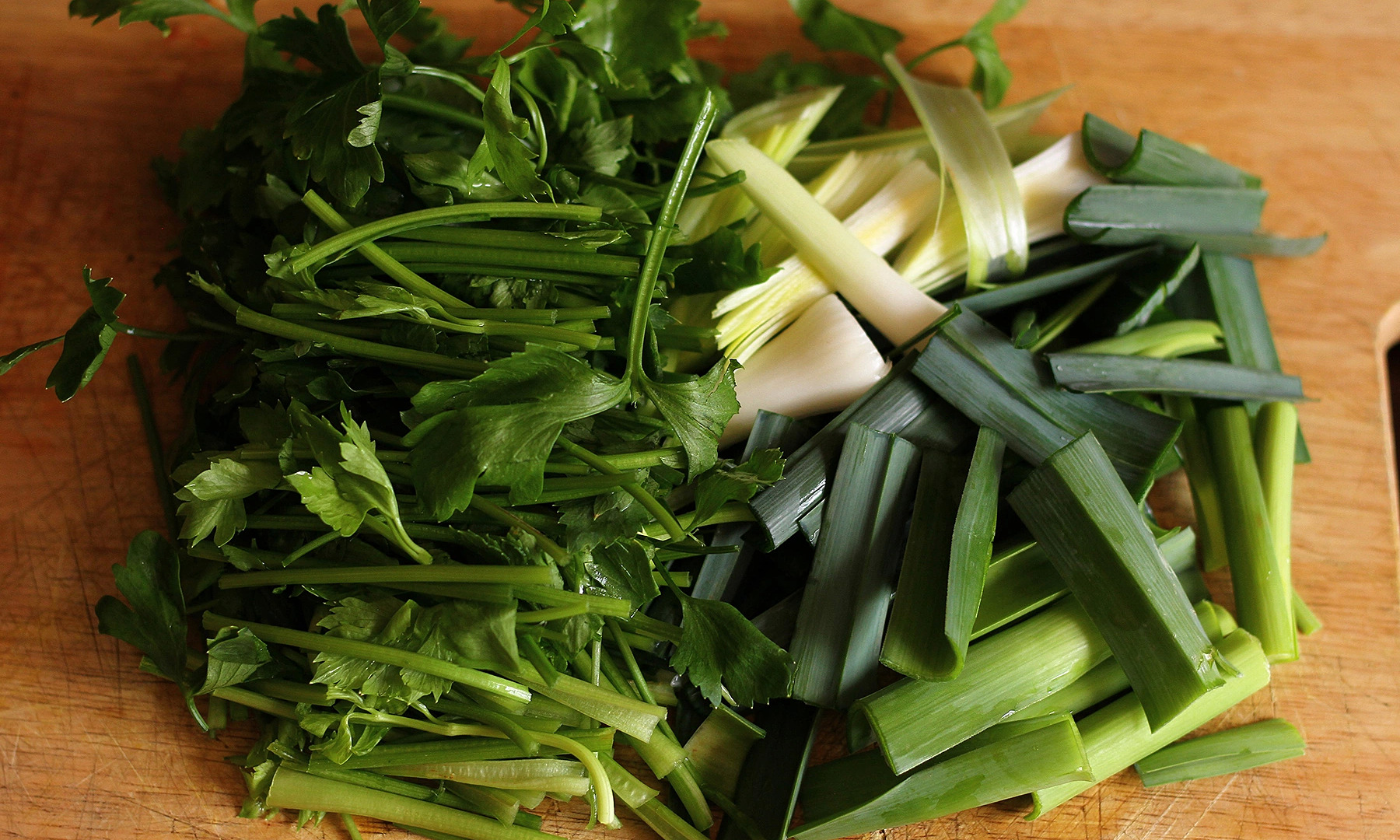
Consumers frequently wonder if boiling vegetables with an open lid helps eliminate harmful chemicals. This concern is understandable, as it is difficult for shoppers to know the pesticide application history or residual levels on the produce they purchase. The cooking process, particularly boiling, can reduce pesticide residues through mechanisms such as: hydrolysis, dissolution in water, thermal decomposition, oxidation, and evaporation. However, the extent of pesticide reduction depends on the specific vegetable, the preparation method, and the characteristics of the pesticides involved.
Consider the example of chlorothalonil, a fungicide whose high, long-term exposure can negatively impact human health. When vegetables containing chlorothalonil residue are cooked with an open lid, 85% to 98% of the chemical can evaporate. Conversely, if the lid is kept on during cooking, some chlorothalonil remains in the food, while another portion undergoes hydrolysis into different substances in the boiling water. It is crucial to note that this specific evaporation rate does not apply universally to all pesticides.
Currently, insufficient evidence exists to definitively state that boiling vegetables with an open lid consistently removes chemicals. In fact, if a vegetable is known to have excessive pesticide residue, the safest option is to discard it rather than attempting to mitigate the issue through boiling, regardless of whether the lid is open or closed.
Consumers should thoroughly investigate the origin of their produce before purchase. Before cooking or eating raw, wash vegetables multiple times under running water or peel them. Research indicates that solutions like: salt, lemon juice, vinegar, pineapple enzyme water, baking soda, and potassium permanganate can more effectively reduce surface pesticide residues than plain water.
For systemic pesticides, which penetrate a vegetable's roots, leaves, and cells, external washing—even with special aids—cannot fully eliminate residues if the proper pre-harvest interval is not observed. Consequently, prioritizing a clean source of vegetables from the start remains the most crucial step.
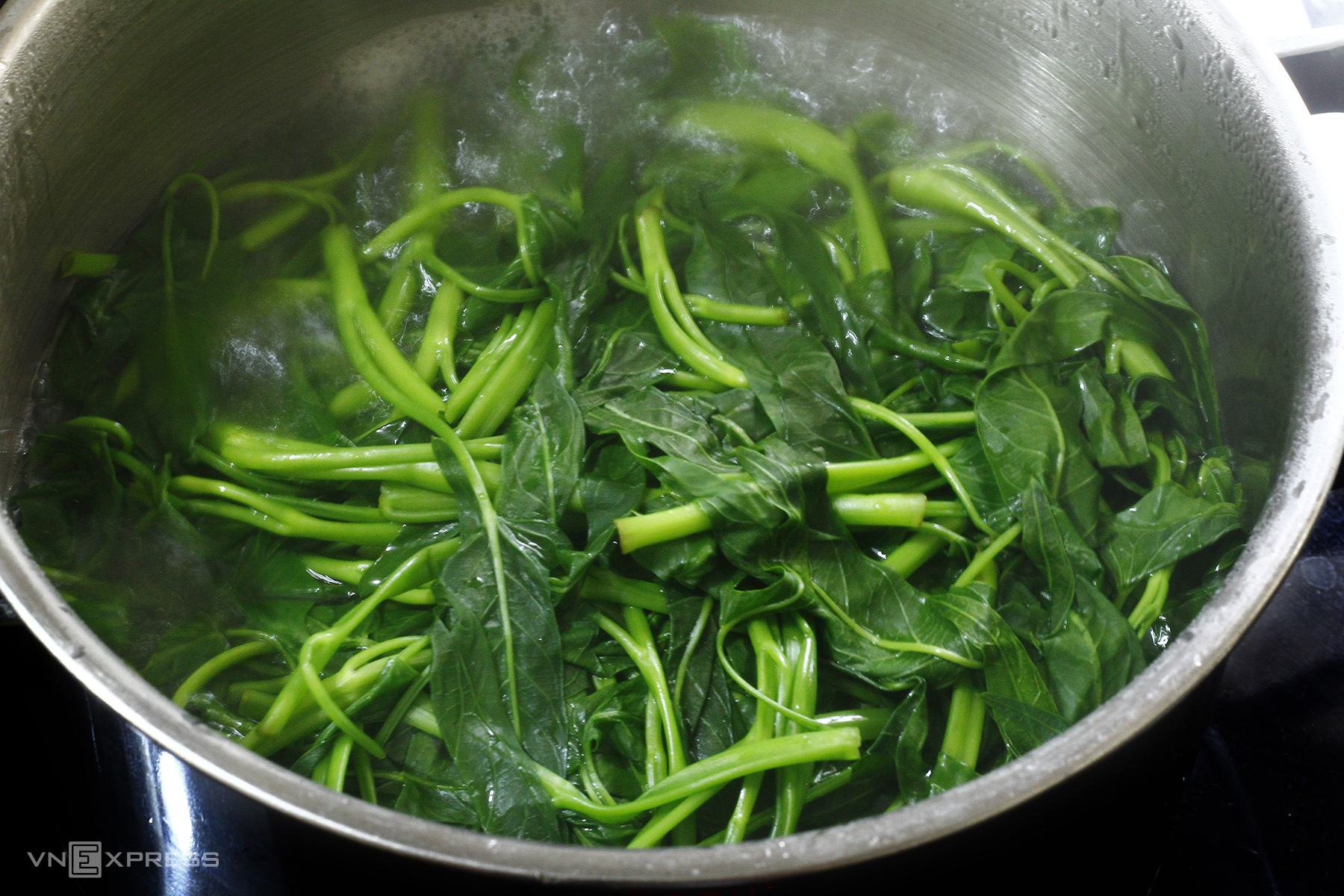 |
Illustration: Bui Thuy
Nutritionist Nguyen Thi Ha
Hanoi Medical University