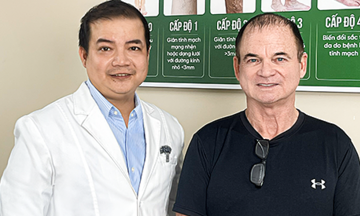
Ngoc had a full figure since childhood and enjoyed normal health. However, six months ago, she suddenly developed skin rashes, intense cravings for sweets and snacks, gained nearly 30 kg, and experienced irregular menstrual cycles. When she visited Tam Anh General Hospital TP HCM, she weighed 97 kg with a BMI of 38, and her visceral fat index was three times the safe level. Laboratory tests for liver enzymes and an ultrasound revealed an enlarged liver, grade three fatty liver (the most severe degree), and hepatitis.
Dr. Tran Nguyen Quynh Tram, a Master of Science and Deputy Head of the Endocrinology and Diabetes Department at Tam Anh General Hospital TP HCM, explained that excessive visceral fat accumulation leads to dyslipidemia, which accelerates the progression of fatty liver to hepatitis. Inflamed liver cells cannot effectively detoxify the body, resulting in symptoms such as increased fatigue, a dull ache in the liver area, nausea, and prolonged skin itching and hives due to excess bile salts.
 |
Dr. Tram analyzing body mass index and advising Ngoc on a weight loss regimen. Photo: Tam Anh General Hospital |
According to Dr. Tram, Ngoc needed to lose at least 5 kg to improve her hepatitis. Ngoc began a weight loss regimen combining medication to suppress appetite and increase satiety, alongside dietary adjustments and physical activity. She switched to unsweetened fresh milk, fruits, salads, and yogurt instead of milk tea and pastries. Ngoc also jumped rope for 30 minutes daily and participated in indoor rock climbing to prevent muscle loss during weight reduction.
In the first month, Ngoc lost 3 kg. After three months, her weight dropped to 85 kg, a total loss of 12 kg. Her hepatitis resolved, and her fatty liver improved to grade one. Ngoc continues her treatment plan, aiming for a target weight of 65 kg.
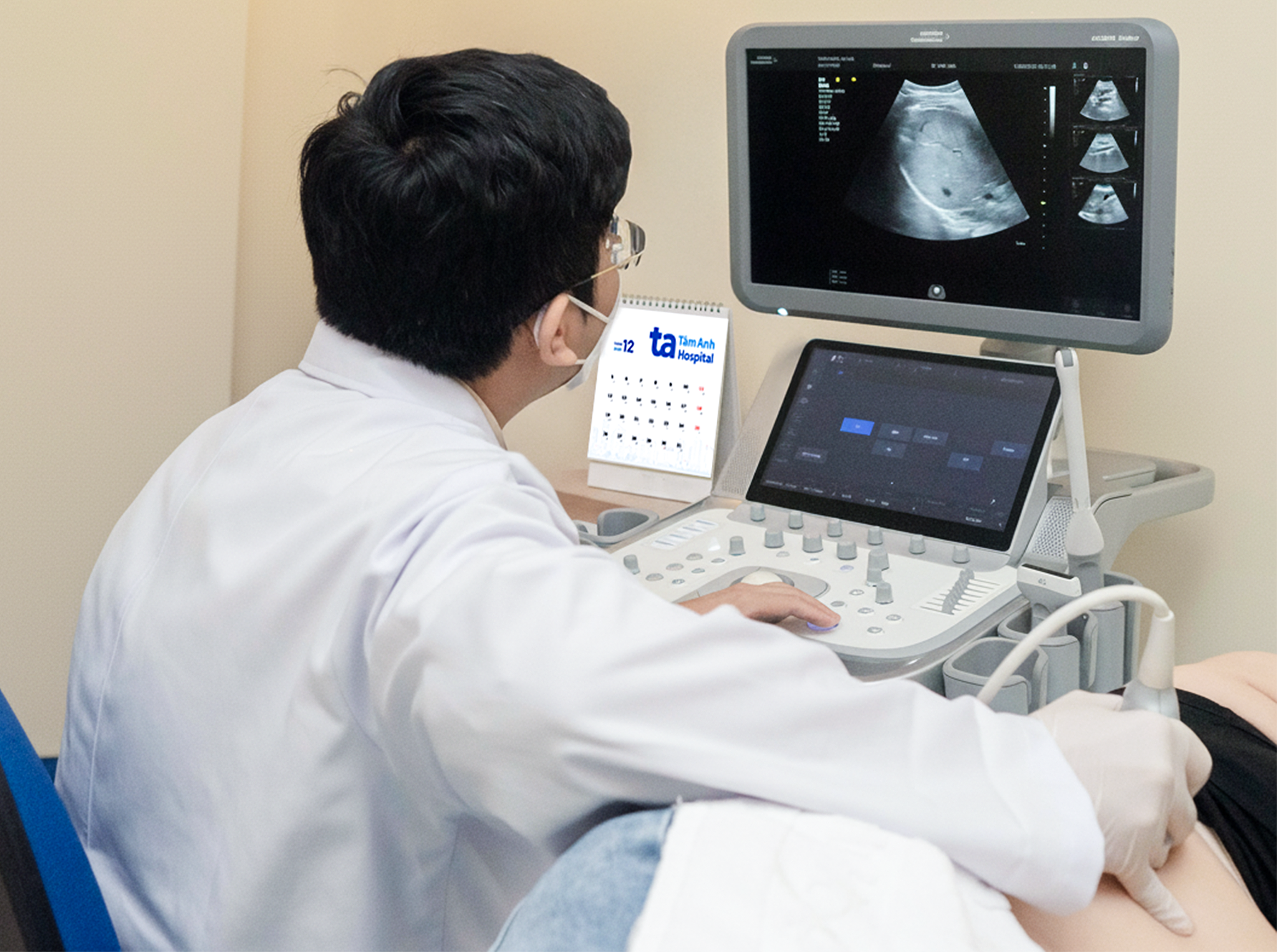 |
A doctor performs an ultrasound to check the patient's fatty liver condition. Photo: Tam Anh General Hospital |
Dr. Tram noted that while fatty liver and hepatitis were once common in middle-aged individuals, they are increasingly affecting younger people. Besides causes such as alcoholism, hypothyroidism, and metabolic disorders, obesity stands as a main risk factor for these conditions.
Uncontrolled fatty liver increases the risk of cardiovascular diseases, including heart attack and stroke, as well as chronic kidney disease and type two diabetes. Overweight and obese individuals should prioritize weight loss and maintain a stable weight to help manage fatty liver.
Duc Hanh
*The patient's name has been changed.
| Readers can send questions about endocrine diseases here for doctors to answer |