Blood cholesterol is a vital component for the body, essential for forming cell membranes, producing hormones, and aiding digestion. Cholesterol is not entirely harmful. Problems arise when "bad" low-density lipoprotein (LDL) cholesterol levels are high and "good" high-density lipoprotein (HDL) cholesterol levels are low.
When LDL cholesterol is in excess, it can deposit in blood vessel walls, gradually forming atherosclerotic plaques. As blood vessels narrow, blood flow becomes restricted. If a plaque ruptures, forming a blood clot, it can block blood flow to the heart or brain, leading to a heart attack or stroke.
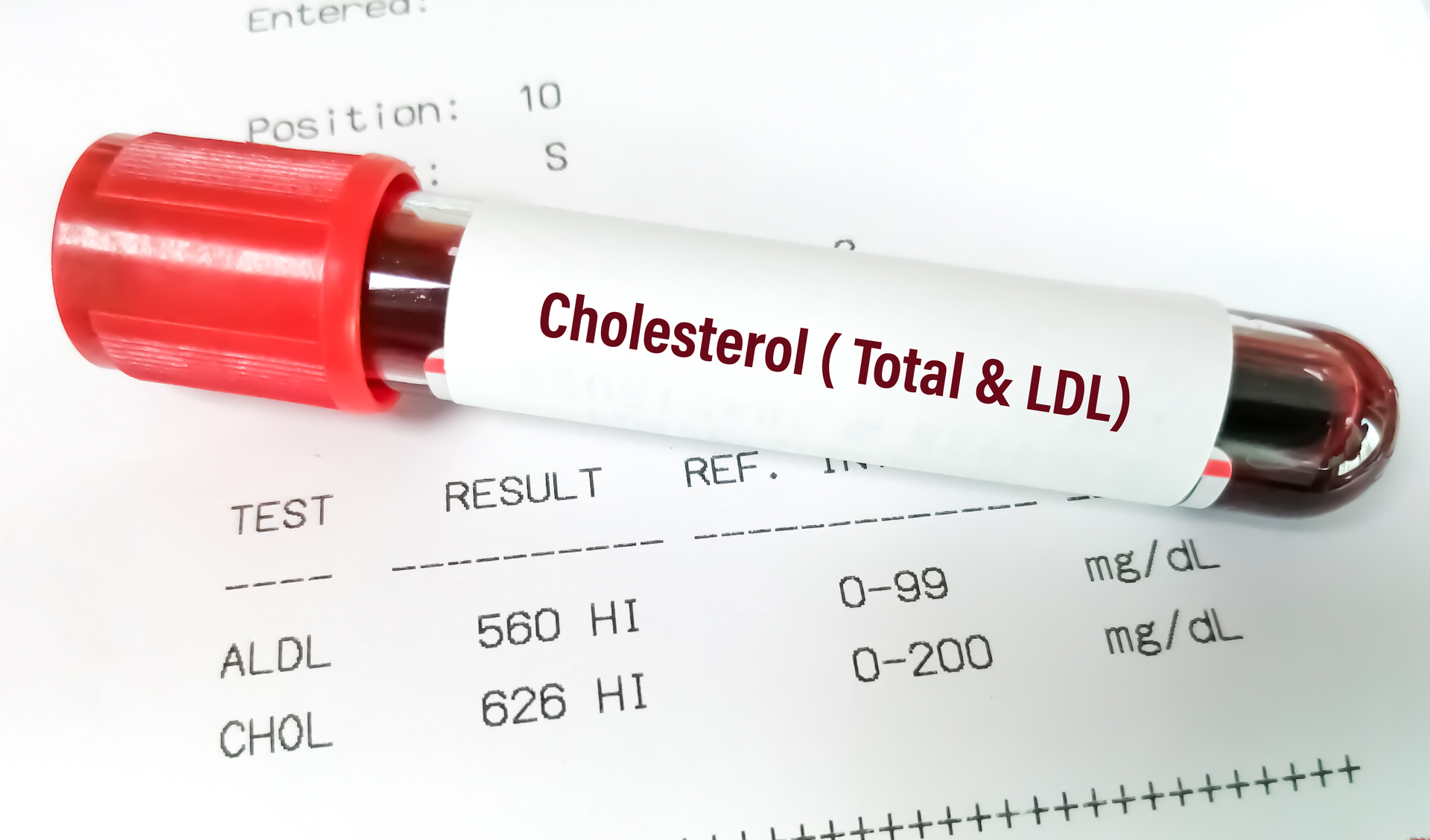 |
Cholesterol test sample. Illustration: Vecteezy |
According to the US Centers for Disease Control and Prevention (CDC), high blood cholesterol progresses silently. Individuals may maintain normal eating habits, daily activities, and work for years. Many cases of dyslipidemia (blood lipid disorder) are only detected during routine health check-ups or after a cardiovascular event has occurred.
Prolonged high blood cholesterol is also linked to various health issues such as hypertension, type 2 diabetes, fatty liver disease, and chronic kidney disease, increasing the risk of long-term complications. In older adults, dyslipidemia has been associated with cerebrovascular health and cognitive decline, although the mechanisms and extent of impact require further research. Previously, this condition was common in middle-aged and older individuals, but it is now trending younger due to sedentary lifestyles, frequent consumption of fried foods, late nights, stress, smoking, and alcohol consumption.
The CDC states that high blood cholesterol can be managed with early detection and proper intervention. Individuals at high risk, such as those who are overweight, obese, have hypertension, diabetes, smoke, have a family history of early cardiovascular disease, or have existing dyslipidemia, should undergo regular screening every 6-12 months, as advised by a doctor.
 |
High-risk individuals should undergo regular screening as advised by a doctor to detect blood cholesterol-related diseases early. Illustration: Vecteezy |
Lifestyle habits are crucial for managing blood cholesterol. Everyone should engage in regular physical activity, aiming for at least 150 minutes per week or a brisk walk for about 30 minutes daily. Physical activity helps increase HDL cholesterol, reduce LDL cholesterol, and supports weight management.
Dietary habits also require adjustment, prioritizing green vegetables, fruits, whole grains, fish, nuts, and vegetable oils. Individuals with high blood cholesterol should limit animal fats, organ meats, fried foods, processed foods, sweets, and alcohol.
Quitting smoking is vital for cardiovascular protection. Smoking not only harms the lungs but also lowers good cholesterol, damages blood vessel walls, and accelerates atherosclerosis.
Individuals with high blood cholesterol levels should consult a doctor for a comprehensive risk assessment, including blood pressure, blood sugar, weight, underlying conditions, and family history. While some cases may only require lifestyle changes, high-risk individuals might need medication as prescribed.
To determine if one belongs to a high-risk group, individuals can use a 10-year cardiovascular risk assessment tool. This tool estimates the likelihood of experiencing a cardiovascular event within the next 10 years based on factors such as age, gender, blood pressure, cholesterol levels, and smoking habits. Access it here.
Van Ha