Recently, the research team behind this vaccine received congratulations from Cuban President Miguel Diaz-Canel Bermudez. Doctor Yanelys Morera Diaz is the scientific lead for HEBERSaVax.
Following the meeting, Doctor Yanelys Morera provided additional information to the press about HEBERSaVax. She described the product as a therapeutic vaccine or active immunotherapy. Simply put, it is not a preventive vaccine like the flu vaccine or HPV vaccine, but rather a method to help a patient's body fight cancer.
The vaccine is currently being studied for the treatment of several solid tumors, including colorectal, liver, ovarian, and kidney cancers. Initial data indicates good tolerability and the potential to improve the quality of life for some patients.
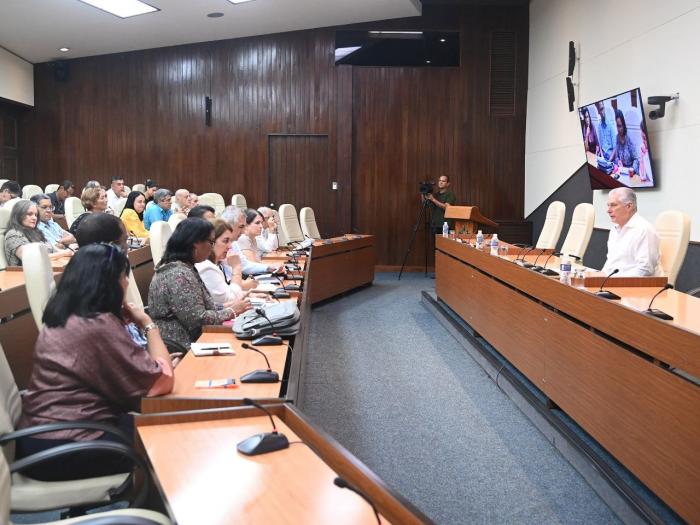 |
Cuban President Miguel Diaz-Canel (in a white shirt) meets with scientists on health issues, 27/5. Photo: Revolution Studios
Explaining its mechanism of action, Doctor Yanelys stated that tumors require nutrients and oxygen to grow. HEBERSaVax is designed to affect how tumors acquire nutrients, thereby helping to slow or prevent tumor growth. The vaccine also aids the body in producing specific antibodies, which reduce the blood supply to the tumor. The injection further supports restoring the immune system's ability to recognize and attack cancer cells.
The research team emphasizes that this form of treatment is considered quite safe. Side effects are reported to be minimal and manageable. Consequently, this vaccine candidate can be combined with traditional treatments without significantly increasing toxicity.
Currently, HEBERSaVax remains in the experimental research phase. Among the patients who have received this product, many have shown significant improvements in their quality of life. Some patients have experienced complete responses, even in advanced stages of cancer.
Looking ahead, Doctor Yanelys hopes that HEBERSaVax can become a part of the "arsenal" for cancer treatment, helping to improve patient outcomes.
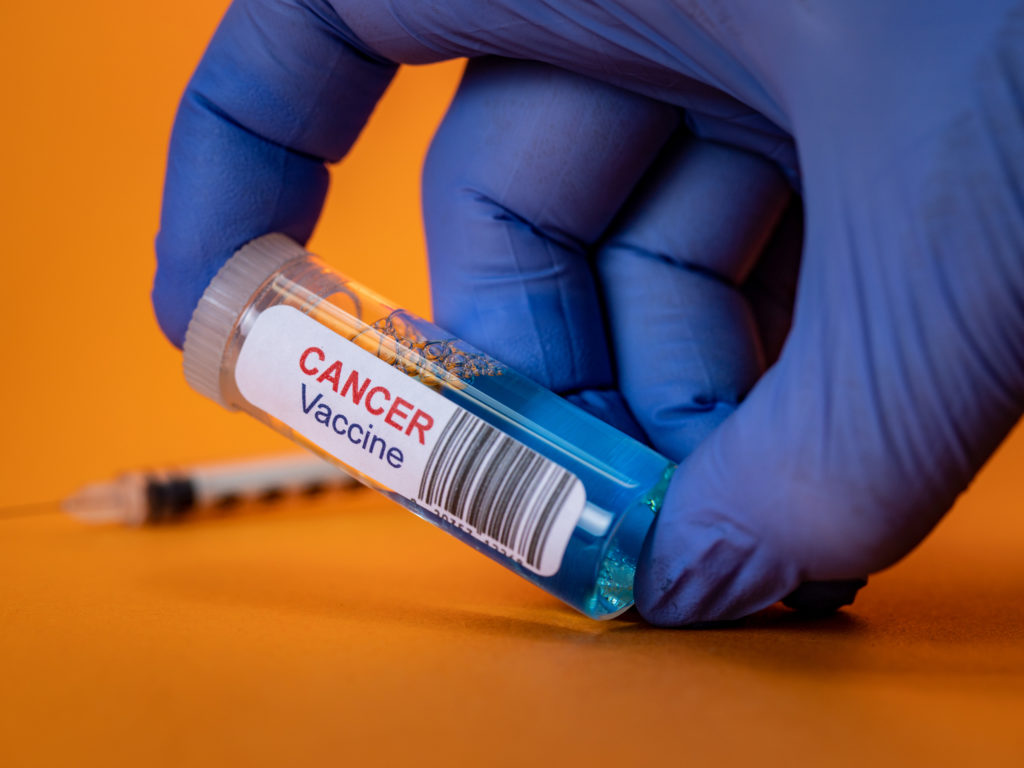 |
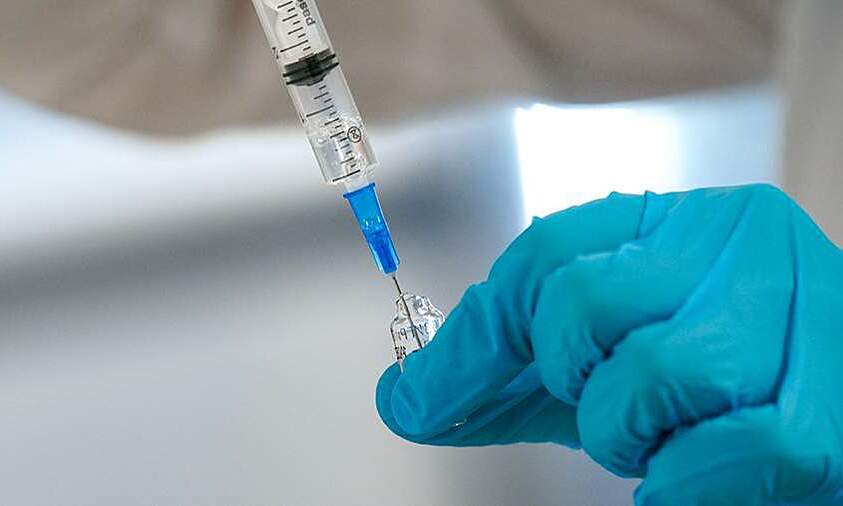
Illustration of a therapeutic cancer vaccine. Photo: BJMO
Doctor Julio Cesar Hernandez Perera, an internist and member of the Cuban Academy of Sciences, stated that HEBERSaVax is a product many clinicians can trust. He described it as a product of Cuban biotechnology, the result of many years of research, and highlighted its unique global standing.
According to Doctor Hernandez Perera, this product could be used for many types of solid tumors in the future, as it targets a protein that promotes tumor growth and spread. He also mentioned its advantages, such as low toxicity and its potential for use in patients with multiple comorbidities.
However, the vaccine still requires continued research, expanded understanding, and additional data accumulation. The research team is very hopeful that this product could open a new treatment pathway.
Cancer presents a global burden for many nations, necessitating treatment and prevention methods to halt disease progression. Therefore, cancer vaccines are of great interest to the scientific community. Alongside vaccines that prevent cancer-causing agents, experts are also researching injections that support the treatment of the disease.
Many studies do not use vaccines alone but combine them with immunotherapies, such as immune checkpoint inhibitors, to enhance the immune system's ability to recognize and attack cancer cells. For example, the personalized vaccine from Moderna-Merck has shown notable follow-up data for melanoma and is currently undergoing late-stage trials.
Furthermore, research directions are expanding to pancreatic, kidney, lung, ovarian, colorectal cancers, and other solid tumors, but most remain in the experimental stage. Another emerging area of focus is cancer prevention vaccines for high-risk or pre-cancerous groups, though this is currently an early research direction.
Van Ha (According to Granma)