The National Hospital for Tropical Diseases reported that the patient, who has a history of diabetes, was admitted in a lethargic state with altered consciousness and focal seizures. His blood sugar levels were severely elevated, at times exceeding the measuring device's limits.
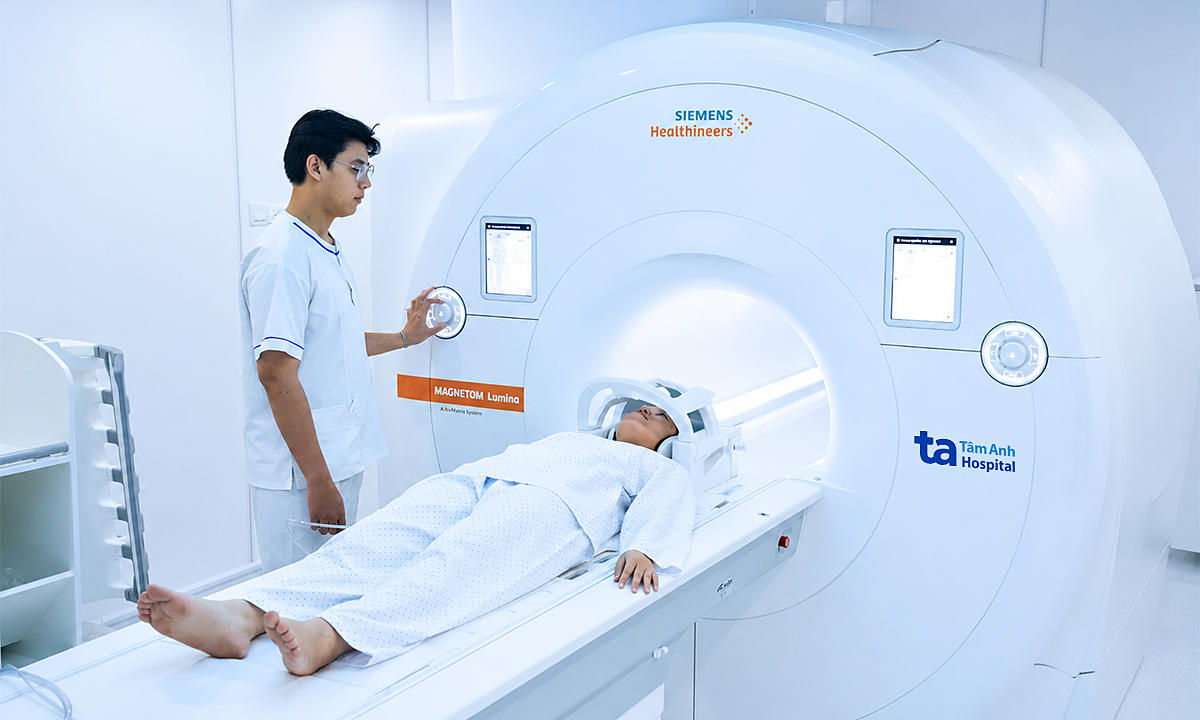
Blood cultures confirmed an infection with Burkholderia pseudomallei, the bacteria responsible for Whitmore disease, alongside severe blood sugar dysregulation and neurological damage. A cranial magnetic resonance imaging scan revealed lesions in the thalamus and scattered areas of the cerebral cortex. The patient was intubated, placed on a ventilator, and received treatment for the infection while his metabolic disorders were managed.
Doctors noted that the patient's blood sugar dysregulation, increased osmotic pressure, and electrolyte imbalance complicated his neurological condition.
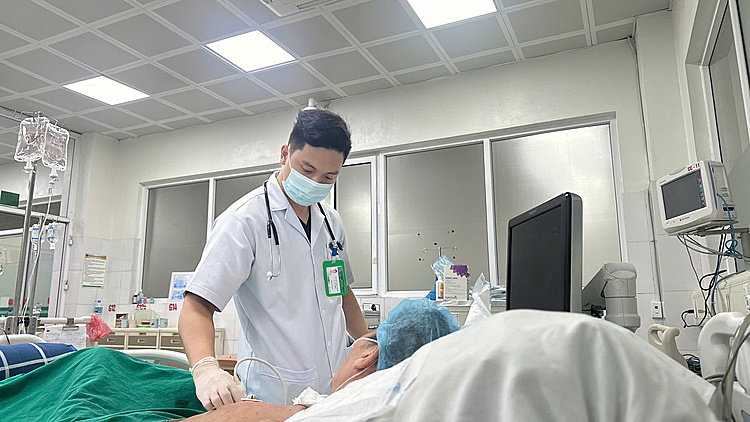 |
Doctors treating the patient. *Photo: Hospital provided*
Doctor Bui Duc Long Thanh of the Emergency Department explained that Burkholderia pseudomallei causes Whitmore disease, often referred to as "flesh-eating bacteria." This bacterium is predominantly found in tropical climates. Recent statistics from Thailand and Singapore indicate a 40-50% mortality rate for patients with septicemia caused by this agent. In cases of severe pneumonia, the risk of death can reach 75%.
Whitmore is also known as "the great mimicker" because it lacks specific clinical symptoms. Its manifestations often resemble other illnesses such as pulmonary tuberculosis, influenza, or fever, leading to delayed diagnosis or misidentification.
This bacterium typically resides in soil, especially moist soil, and contaminated water. It can easily enter the body through open wounds, causing infection. The disease can progress rapidly, damaging multiple organs and potentially leading to death. When the central nervous system is affected, treatment and recovery become complex, often resulting in severe neurological sequelae, including cognitive and motor impairments.
After nearly one month, the patient's condition has improved significantly; however, he requires continued treatment for the full course, strict blood sugar control, and ongoing monitoring of his recovery.
According to Doctor Thanh, diabetes is a critical risk factor that can exacerbate Whitmore disease. When blood sugar is not well-controlled, the body's ability to fight infection weakens, creating conditions for the disease to become more complicated.
Individuals with underlying medical conditions or compromised immunity, such as chronic kidney or liver disease, chronic lung disease, prolonged alcohol consumption, or immunosuppression, should exercise caution when exposed to soil and water.
Currently, there is no vaccine for Whitmore disease. Doctors advise that when working outdoors, individuals should wear appropriate protective gear like gloves and boots to avoid direct contact with soil and dirty water. Maintaining personal hygiene is crucial: wash hands frequently with soap and clean water, especially before and after preparing food, after using the restroom, and after farming activities.
Always eat thoroughly cooked food and drink boiled water, and avoid consuming meat from sick or dead poultry and livestock. Do not overlook persistent signs such as swelling, warmth, redness, or pain, particularly if the swelling increases, or if accompanied by fever or pus. Avoid self-treating for extended periods, as this can mask symptoms and allow the disease to progress; instead, seek medical evaluation at a hospital.
Thuy Quynh