Sleep apnea is a condition characterized by repeated respiratory disturbances during sleep. Obstructive sleep apnea (OSA) is the most common type, occurring when the upper airway narrows or collapses intermittently during sleep, reducing or completely blocking airflow.
Each time the airway is obstructed, the body must intensify breathing. The brain may trigger brief awakenings to reopen the airway. This process repeats multiple times throughout the night, disrupting sleep and causing episodes of hypoxemia (reduced blood oxygen). Patients typically do not recall these brief awakenings the following morning. Master, Doctor CKI Nguyen Thi Phuong Thy, from the General Internal Medicine Department at Tam Anh General Hospital TP HCM, highlights the characteristic signs of this syndrome.
Loud, persistent snoring is the most common sign of sleep apnea, especially when it is loud, frequent, and accompanied by unusual silences. During sleep, throat muscles relax. If the upper airway is narrowed, airflow can vibrate the soft tissues in the throat, causing snoring. However, not all snoring indicates sleep apnea. Polysomnography (sleep study) or other appropriate methods can help doctors detect the condition early.
Pauses in breathing during sleep are another suggestive sign of OSA, though patients often do not notice it themselves. Most cases are identified when a bed partner observes the patient suddenly stop breathing for a few seconds, followed by a strong gasp, snort, or jolt before resuming sleep. Doctor Thy states that this phenomenon can recur multiple times throughout the night. Each time the airway is obstructed, the brain and body must activate mechanisms to restore breathing. Because these awakenings are usually very brief, patients may have no recollection of them the following morning.
 |
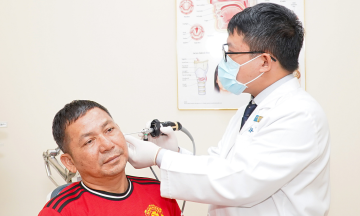
Doctor Thy advises young people on regular health check-ups. Photo: Tam Anh General Hospital |
Daytime sleepiness and fatigue are common complaints. Many individuals sleep for 7-8 hours but still feel sluggish, lack alertness, and easily doze off while working or driving. This could be due to sleep apnea, which prevents deep sleep as the body constantly awakens itself to restore breathing. Prolonged poor sleep quality prevents the body from fully recovering, leading to fatigue, reduced concentration, impaired memory, and decreased work performance. Notably, drowsiness while driving or operating machinery is a sign that requires attention, as it can increase the risk of accidents.
Headaches after waking are also a typical symptom, though many people often attribute them to insomnia or stress. Doctor Thy explains that repeated hypoxemia during the night, combined with changes in carbon dioxide levels, can dilate cerebral blood vessels, causing headaches after waking. Symptoms usually subside within a few hours but will recur if sleep apnea remains untreated.
Dry mouth and a sore throat after sleep are also frequently reported. Many people wake up with a dry mouth, thirst, or a scratchy throat. Individuals with sleep apnea often tend to breathe through their mouth due to airway obstruction. Continuous airflow through the oral cavity for many hours dries out the mucous membranes, causing discomfort upon waking.
Reduced memory and difficulty concentrating are significant concerns. Many people seek medical attention solely for reduced concentration or frequent forgetfulness, without considering sleep as the root cause. Prolonged oxygen deprivation and interrupted sleep directly affect brain function. Patients may experience decreased memory, slower reflexes, difficulty concentrating at work or school, and even mood changes, irritability, or depression.
Difficult-to-control hypertension is another serious consequence. Sleep apnea not only affects sleep but also impacts the cardiovascular system. Each episode of airway obstruction can cause oxygen reduction, changes in intrathoracic pressure, and activation of the sympathetic nervous system. If this condition recurs over a long period, it can contribute to increased blood pressure and elevate the risk of cardiovascular diseases. Doctor Thy notes that OSA is linked to hypertension, atrial fibrillation, heart failure, coronary artery disease, and stroke. If a person snores loudly, experiences pauses in breathing during sleep, and simultaneously has difficult-to-control hypertension, OSA should be suspected and evaluated.
Nhat Thanh
| Readers can submit questions about respiratory diseases here for doctors to answer |