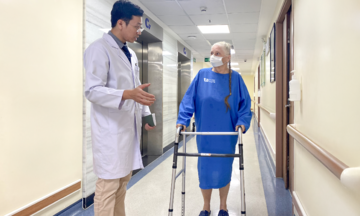
Dr. Le Chi Hieu, a specialist at the Thoracic - Vascular Surgery Center, Tam Anh General Hospital, TP HCM, stated that the patient suffered fractures in both bones of her right forearm, and ribs 5, 6, and 7 on her right side were fractured, displaced, and restricted movement.
The forearm comprises two main long bones: the radius and the ulna. Both bones work together to enable diverse and flexible hand movements. The rib cage consists of 12 ribs located on both sides of the upper back and chest, protecting vital organs such as the heart, lungs, and major blood vessels. "This was a complex fracture case, as the fractured bone fragments could potentially damage the lungs, heart, or liver," Dr. Hieu said.
Given the patient suffered multiple fractures simultaneously, surgical fixation was necessary to facilitate optimal bone healing. This procedure also prevents malunion—a condition where fractured bone ends do not realign to their original anatomical position after healing—which could lead to limb axis deformity.
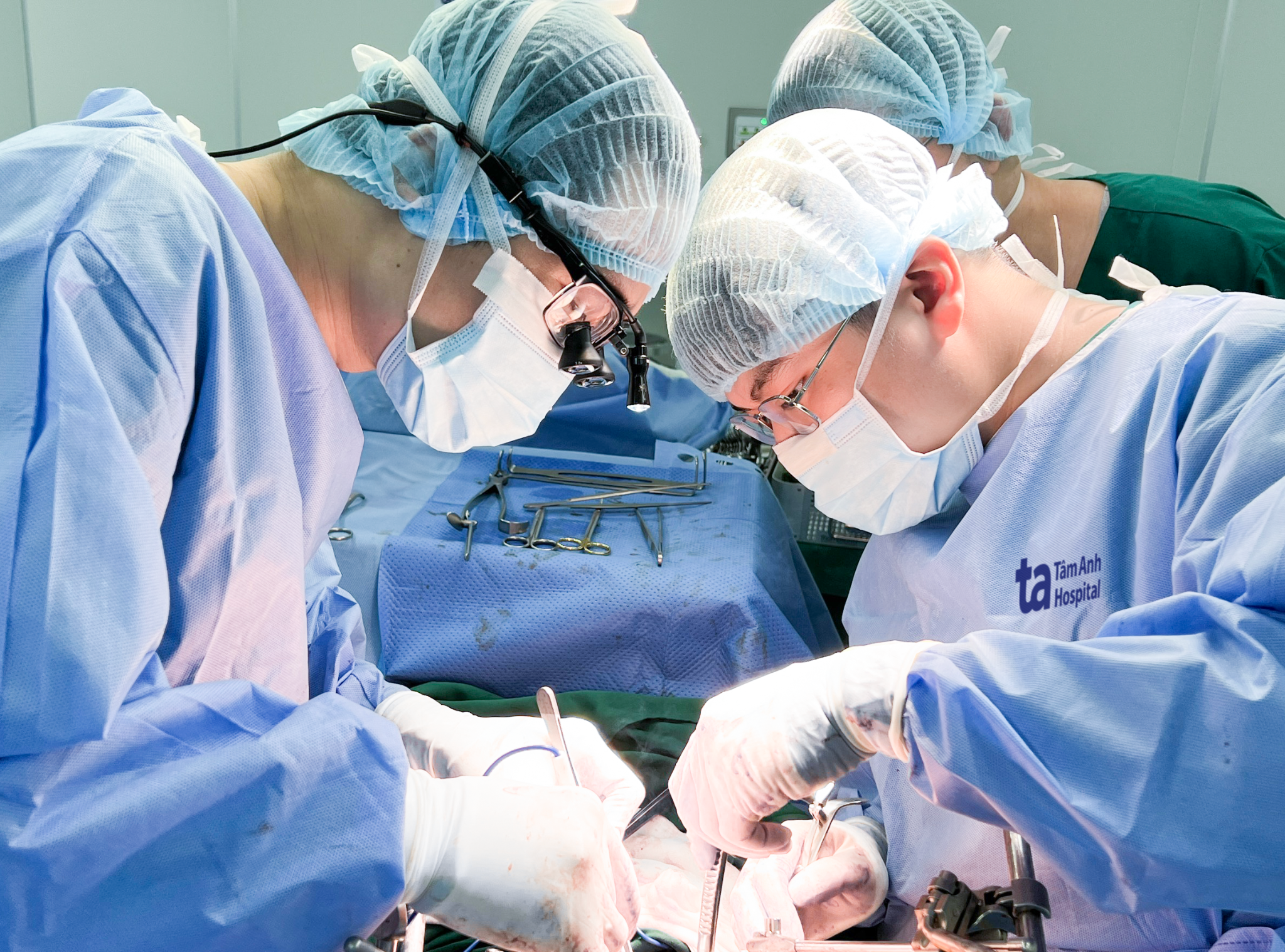 |
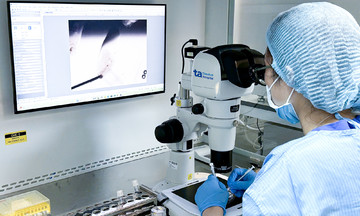
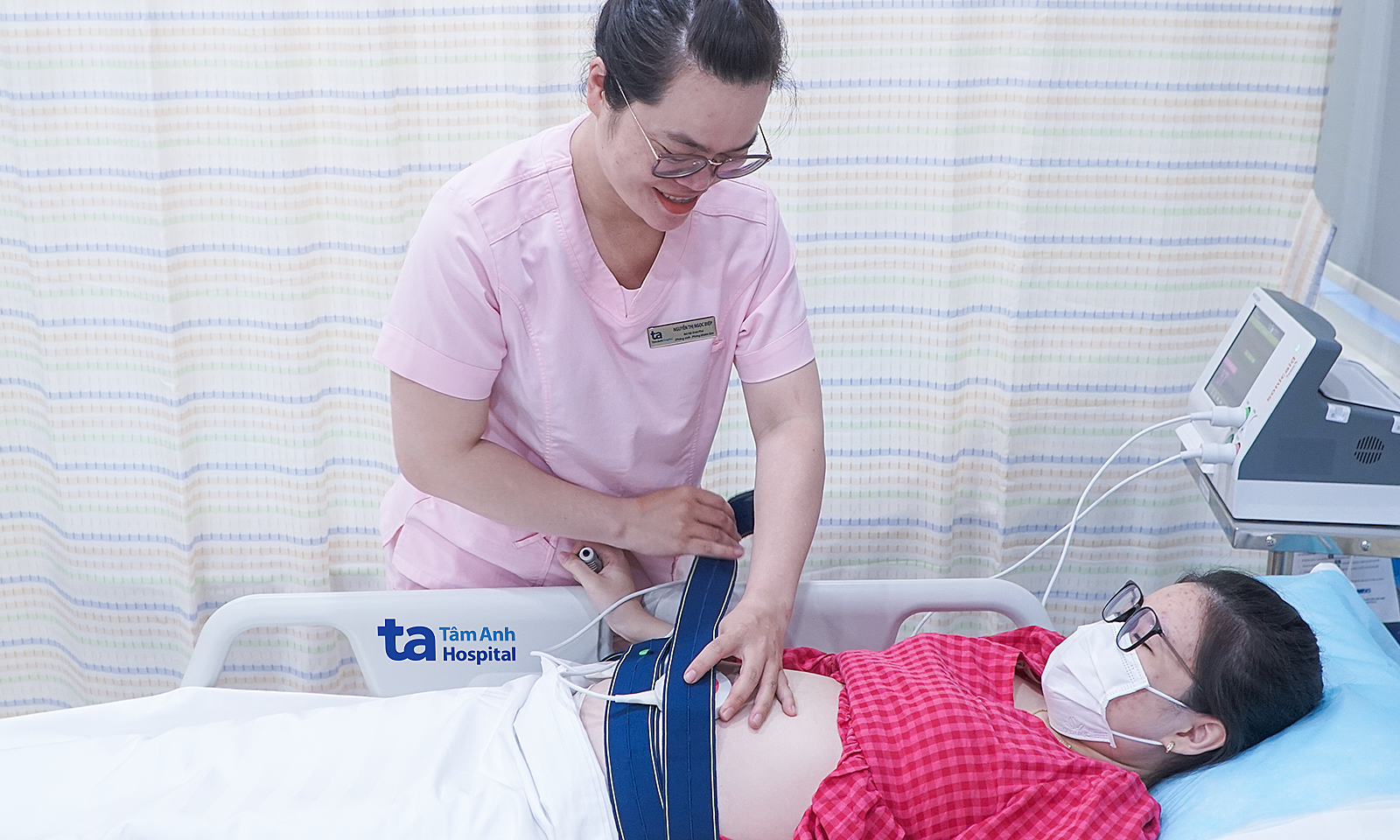
Doctors from the Thoracic - Vascular Surgery Center performed bone fixation surgery using plates and screws for the patient. *Illustration: Tam Anh General Hospital* |
The surgical team performed forearm and rib fixation surgery using plates and screws for the patient. Ms. Tam was alert post-surgery, no longer experienced pain or chest discomfort, and was discharged after 5 days.
According to Dr. Nguyen Duc Nghia, also from the Thoracic - Vascular Surgery Center, Tam Anh General Hospital, TP HCM, previously, most rib fracture cases were managed conservatively with bandages or prolonged immobilization. These methods were effective for a small number of fractured ribs. However, extensive fractures led to prolonged recovery.
Today, the bone fixation technique using plates and screws addresses these limitations. Patients recover quickly, experiencing early improvement in respiratory function and mobility, and avoiding dangerous complications like pneumonia, collapsed lung, or sepsis.
Dr. Nghia added that rib fractures are common in chest trauma, particularly following traffic accidents, domestic incidents, or workplace injuries. Many patients face immediate or delayed mortality, depending on the severity of damage to vital thoracic organs such as the heart, lungs, and major blood vessels. Therefore, individuals experiencing a strong impact to the chest after an accident should seek immediate medical attention.
Thu Ha
*Patient's name has been changed