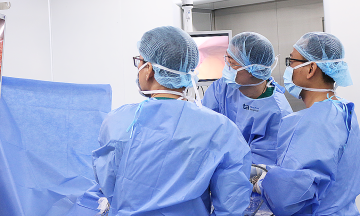
Ms. Han stated that returning to Vietnam to be with her family helped her feel comfortable and secure for long-term treatment. Results from an upper gastrointestinal endoscopic ultrasound combined with a biopsy at Tam Anh General Hospital, TP HCM, confirmed she had stage 4 pancreatic ductal adenocarcinoma, with metastases to the liver, pelvic bone, and peritoneum.
Doctor Nguyen Tuong Van, from the Department of Medical Oncology at the Oncology Center, explained that Ms. Han suffered from chronic kidney failure, leading to a sharp decrease in her glomerular filtration rate. Using a standard treatment regimen could easily lead to acute kidney failure and multi-organ toxicity. However, a low treatment dose would be insufficient to inhibit malignant cells, allowing the pancreatic tumor to continue growing, metastasizing further, and causing bile duct obstruction and severe pain.
After a consultation, the doctors developed a personalized treatment regimen for the patient, designed to both destroy and inhibit cancer cells while remaining within the kidney's tolerable limits. The entire diagnostic and medication process followed guidelines from the International Oncology Association.
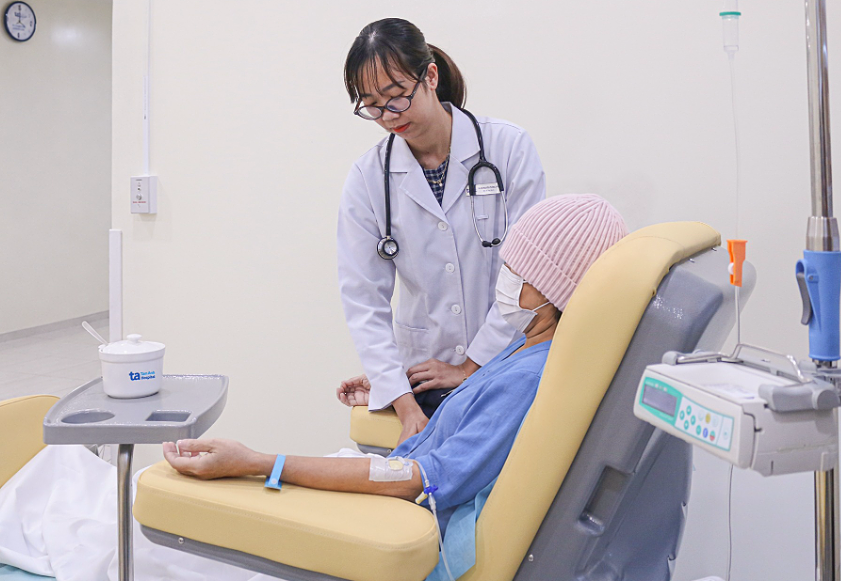 |
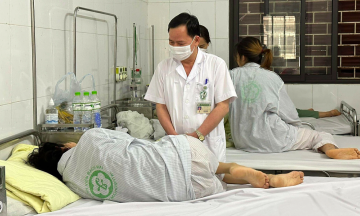
Doctor Van checking Ms. Han's health during chemotherapy. Photo: Tam Anh General Hospital. |
The patient received chemotherapy infusions regularly once a week. Before each infusion, she underwent tests for blood count, liver function, kidney function, and electrolytes. Based on these, the doctors adjusted the dosage compared to the standard dose, ensuring treatment safety and effective inhibition of cancer cells.
Concurrently, the patient received intravenous fluids before and after chemotherapy to promote urination, reducing the time chemicals accumulated and potentially damaged kidney tubules. Additionally, doctors administered bone-resorption inhibiting drugs that are not kidney-excreted to reduce bone complications caused by bone metastasis.
Ms. Han received daily chemotherapy at Tam Anh General Clinic, District 7, close to her home for convenience. After 5 weeks, doctors assessed that the tumor size had decreased, the disease had not progressed further, and her kidneys tolerated the medication well.
Doctor Van explained that pancreatic cancer is dangerous and difficult to detect in its early stages, often being discovered at a late stage, making treatment challenging. At this point, chemotherapy helps prolong the period of disease non-progression, reduces pain, and alleviates symptoms. The exact cause of pancreatic cancer is unknown, but several risk factors include: smoking, obesity, diabetes, and gene mutations. However, Ms. Han did not have any of these factors.
Currently, there are no specific preventive measures for pancreatic cancer. However, doctors advise maintaining a healthy lifestyle, avoiding smoking, limiting alcohol, fatty and sugary foods, and engaging in appropriate exercise to improve health and help reduce disease risk.
Regular health check-ups are recommended, especially if symptoms like frequent abdominal pain, jaundice (yellow skin or eyes), unexplained weight loss, bloating, or abdominal distension occur, to identify the cause and seek early intervention.
Khai Minh
*Patient's name has been changed.
| Readers can submit questions about cancer here for doctors to answer. |