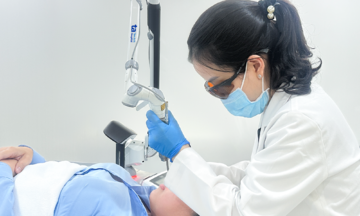
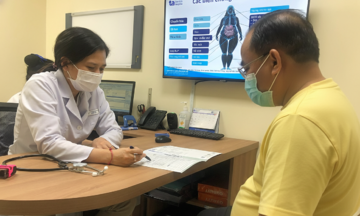
Lan suffered from epigastric pain, indigestion, and nausea. After an examination at a hospital, she was diagnosed with an H. pylori stomach infection and treated with antibiotics. However, her condition did not improve, and she developed symptoms of depression. Her family then brought her to Tam Anh General Hospital in Ho Chi Minh City. Doctor Do Duy Long, a specialist one in cardiology at the Heart Center, noted that Lan showed signs of anorexia nervosa due to severe depression. She weighed over 30 kg, having lost 10 kg in three months. Doctors also diagnosed her with pericardial effusion, from which 150 ml of fluid was drained.
"Typical stomach conditions, when treated with the correct antibiotic regimen, should fully resolve. Lan's anorexia and weight loss indicated another underlying illness," explained Doctor Tran Vu Minh Thu, head of cardiology department 2 at the Heart Center. Blood and fluid test results confirmed Lan had systemic lupus erythematosus. According to Doctor Thu, this was the cause of her digestive, psychiatric, and pericardial effusion symptoms.
Lan received treatment with immunosuppressants, combined with medication for anorexia, depression, and psychosis. After three days, the patient no longer had pericardial fluid and her appetite returned. Continuing the treatment regimen, she gradually improved her mood, began talking with family members again, and slept better. After 20 days, Lan was eating five small meals daily and was discharged in good health.
 |
Doctor Long advises the patient before discharge. Photo: Ha Vu. |
Lupus, or systemic lupus erythematosus (SLE), is an autoimmune disease where the body's immune system attacks healthy tissues instead of harmful microorganisms. The disease affects multiple organs, including joints, skin, lungs, heart, blood vessels, kidneys, the digestive system, the nervous system, and blood cells. Symptoms vary depending on the affected area, such as headaches, numbness, itching, seizures, vision problems, personality changes, abdominal pain, nausea, vomiting, fluid accumulation in the pleural cavity, and shortness of breath. Over time, lupus can cause damage or lead to complications like pericarditis, memory impairment, behavioral changes, seizures, pneumonitis or pleurisy, nephritis or kidney failure, heart attack, and stroke.
The exact cause of systemic lupus erythematosus remains unknown. Factors that increase the risk of developing the disease include being female, being between 15 and 40 years old, frequent sunbathing or direct sun exposure, infections, and the use of specific medications.
To prevent systemic lupus erythematosus or reduce its severity, patients should avoid direct sunlight. They should adopt a balanced diet, supplementing with foods rich in vitamins and minerals, especially vitamin D and calcium, and limiting fried or oily foods. Regular exercise, stress avoidance, and adequate sleep are also important, along with avoiding late nights.
Thu Ha
* Patient's name has been changed
| Readers can submit questions about cardiovascular diseases here for doctors to answer. |