Doctor Che Dinh Nghia, Deputy Head of the Orthopedic Trauma Department at Tam Anh General Hospital Hanoi, notes that the Lunar New Year (Tet) period annually sees a rise in emergency cases involving elderly people who have fallen during daily activities. These incidents often occur in the early morning, late afternoon, and at night, when low light conditions reduce visibility, particularly for those with impaired vision.
Cold weather can lead to stiff joints and reduced flexibility in tendons and muscles. Decreased perspiration causes increased urine production, and frequent nighttime urination among the elderly further elevates the risk of dangerous falls. Osteoporosis and diminished bone density mean that even minor falls can result in fractures, most commonly affecting the wrist, intertrochanteric region, femoral neck, and vertebral compression fractures.
Doctor Nghia emphasizes that these are serious injuries for elderly individuals, leading to pain and impaired mobility. Without timely and appropriate emergency treatment, prolonged immobility can result in complications such as: pressure ulcers, urinary tract infections, aspiration pneumonia, thromboembolism, and even death.
Doctor Nghia offers several proactive strategies to prevent falls among elderly people during the Tet holiday.
Limit disruptions to the living environment
To prepare for Tet, families often rearrange furniture and decorate with traditional ornamental plants such as: ochna, peach blossoms, and kumquat trees. These alterations can obstruct familiar pathways, especially at night when elderly individuals often rely on memory for navigation. It is advisable to minimize changes in frequently used areas like private bedrooms, living rooms, and dining rooms. Avoid placing ornamental plants or decorations that block access to bathrooms, stairs, or thresholds.
Clear pathways
Ensure all pathways, both indoors and outdoors, remain spacious and clear of obstructions. Remove small, slippery rugs or secure them firmly to the floor. Regularly clean moss and algae from doorsteps and garden areas.
Avoid placing electrical cords, string lights, or decorative wires across pathways. Install additional lighting and motion-sensor lights to ensure areas frequented by elderly individuals, such as: stairs, bathrooms, and hallways, are adequately lit both day and night.
 |
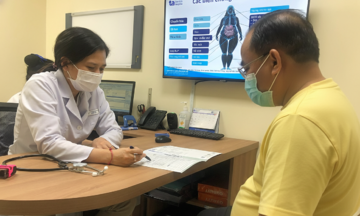
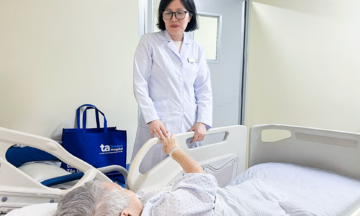
Doctor Nghia advises elderly patients on exercise. *Photo: Tam Anh General Hospital*.
Keep floors dry
To maintain dry floors during drizzly, humid weather, use dry cloths and dehumidifiers. When cleaning floors, family members should caution elderly individuals to avoid walking until surfaces are completely dry. Prevent water spills during cleaning, watering plants, or arranging flowers for Tet. Similarly, avoid oil and grease spills while cooking and eating. Ensure bathrooms are well-ventilated to dry quickly after each use.
Use assistive devices
Provide elderly individuals with non-slip, well-fitting footwear, even for indoor use. Avoid loose socks or slippers that can increase the risk of slipping. Encourage the use of canes or walkers at the earliest signs of muscle weakness, poor coordination, or balance issues. Install handrails on doorsteps, pathways, stairs, and in bathrooms to provide additional support.
Increase supervision
Family members should avoid leaving elderly individuals unsupervised when performing tasks like cleaning altars, lighting incense, or reaching for high-placed items, as these activities heighten the risk of falls.
Loud noises, flashing lights, and the general commotion of Tet celebrations can overwhelm elderly senses, potentially causing temporary hearing impairment or disorientation, thus necessitating closer supervision.
Family members should ensure elderly relatives take their medication on time and manage chronic conditions such as: high blood pressure and heart disease, which can trigger dizziness and falls. Limit their participation in continuous social activities during Tet, such as: visiting pagodas, offering Tet greetings, spring excursions, or family visits. Adequate rest is crucial to prevent fatigue, exhaustion, reduced alertness, and impaired balance.
Doctor Nghia recommends educating elderly individuals on safe nighttime urination practices. Upon waking, they should sit up for two minutes to ensure full alertness before getting out of bed. If an elderly person falls and exhibits severe pain, swelling, or bruising, particularly if they are unable to stand or walk, immediate hospitalization for specialized examination and timely treatment is essential to prevent dangerous complications.
Thanh Long
| Readers can submit questions about musculoskeletal diseases here for doctors to answer |