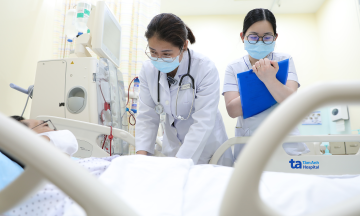
Ms. Phuong, a resident of Cau Kieu ward, Ho Chi Minh City, recalled that about five years ago, doctors diagnosed her husband with lung cancer. Since then, she accompanied him to the hospital almost every week.
Since 2023, travel became more difficult. Many patients of Ho Chi Minh City Oncology Hospital transferred to the facility in Thu Duc City. She took her husband for examinations and chemotherapy by herself. The wheelchair accompanied the couple through many corridors, from the clinic to the treatment area. When his condition worsened, she spent many sleepless nights monitoring him.
Over four years of caring for her severely ill husband took a toll on her health. She suffered from spinal pain, fatigue, and mental exhaustion. After her husband passed away, she became more concerned about her own health. She now undergoes regular check-ups, pays attention to her diet, and maintains a healthy lifestyle. She also researched and received influenza and pneumococcal vaccines to prevent respiratory illnesses.
 |
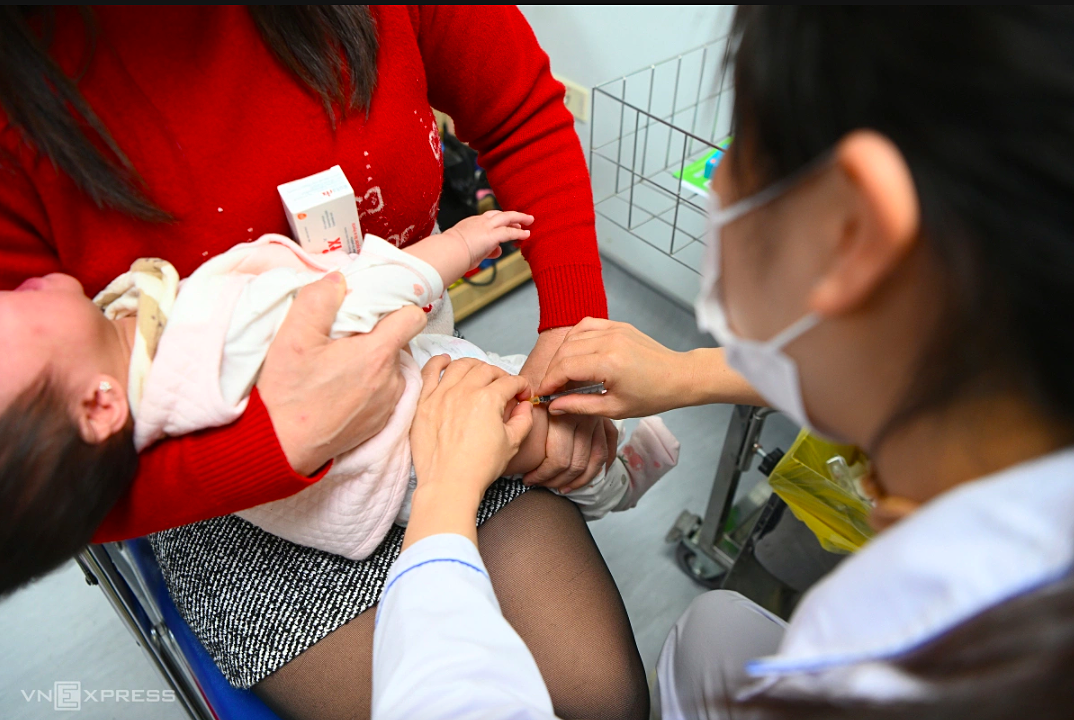
Ms. Phuong receives a pneumococcal vaccine to prevent pneumonia and other pneumococcal diseases. Photo: Hoang Duong |
Mr. Manh's family, 58, in Thanh Hoa, also endured three difficult years. Doctors discovered his liver cancer on a foundation of chronic hepatitis B.
Initially, his symptoms were unclear. He experienced dull abdominal pain and fatigue. His family thought it was a stomachache or discomfort due to the weather. When the pain persisted and his abdomen became more distended, his family took him for an examination.
"Hearing 'cancer' felt like a death sentence," said Mr. Manh's son. Mr. Manh knew he had hepatitis B but did not seek treatment. His family never thought the condition could lead to liver cancer.
Since his diagnosis, the family's daily life was disrupted. Relatives took turns accompanying him to Hanoi for treatment. Some took extended leave from work. Others drove ride-hailing motorbikes to earn money for hospital fees. After each round of medication, he became thinner and more tired. His family felt both pity and worry, but they did not know what else to do.
After doctors explained hepatitis B, family members underwent testing and received preventive vaccines.
Doctor Phan Nguyen Truong Giang, medical manager at VNVC Vaccination System, stated that cancer is a process where normal cells transform into malignant cells. The disease can relate to genetic factors or agents from the environment, lifestyle, and infections.
According to the World Health Organization, about 10% of cancer patients diagnosed globally in 2022 related to viral or bacterial infections.
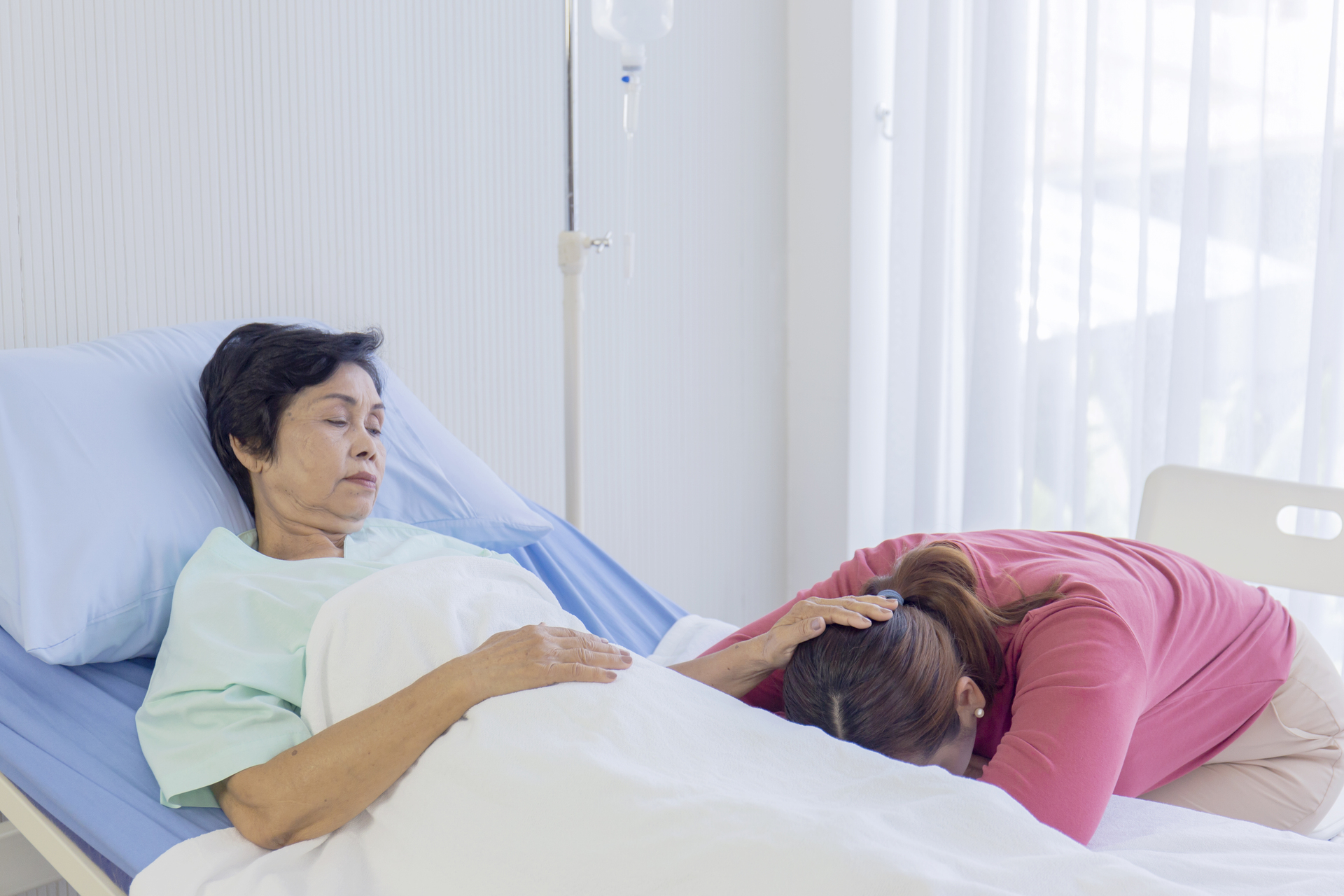 |
Caregivers are exhausted while looking after cancer patients. Photo: Vecteezy |
Several infectious agents can increase cancer risk. High-risk HPV, for example, relates to almost all cases of cervical cancer. This virus also relates to some anal, vulvar, vaginal, oropharyngeal, and penile cancers. Hepatitis B virus and hepatitis C virus can cause liver cancer. H. pylori relates to stomach cancer and gastric mucosa-associated lymphoid tissue lymphoma. Epstein-Barr virus can relate to lymphoma and nasopharyngeal cancer.
Research at the Oncology Center, Hanoi Medical University Hospital, shows that over 97% of cancer patient caregivers are family members. This group often experiences significant pressure. They worry about the patient's future and face financial strain due to the prolonged costs of treatment and daily care.
Doctor Giang noted that Vietnam currently has hepatitis B vaccines for children and adults, and HPV vaccines for individuals from 9 to 45 years old. Depending on age, gender, vaccination history, and needs, doctors will advise on suitable vaccine types and schedules.
Additionally, some infectious diseases like influenza, pneumococcal disease, respiratory syncytial virus (RSV), and chickenpox can cause severe pneumonia complications. Elderly individuals and those with underlying conditions face a higher risk of severe progression. Doctors recommend full vaccination to proactively protect one's health.
People should also maintain a healthy lifestyle: avoid smoking, limit alcohol, maintain a healthy weight, eat nutritious food, exercise regularly, and limit exposure to air pollution and intense sunlight. These habits help protect health and reduce the risk of certain diseases.
Hoang Yen
*Names of individuals have been changed.